Two systems, one ticket
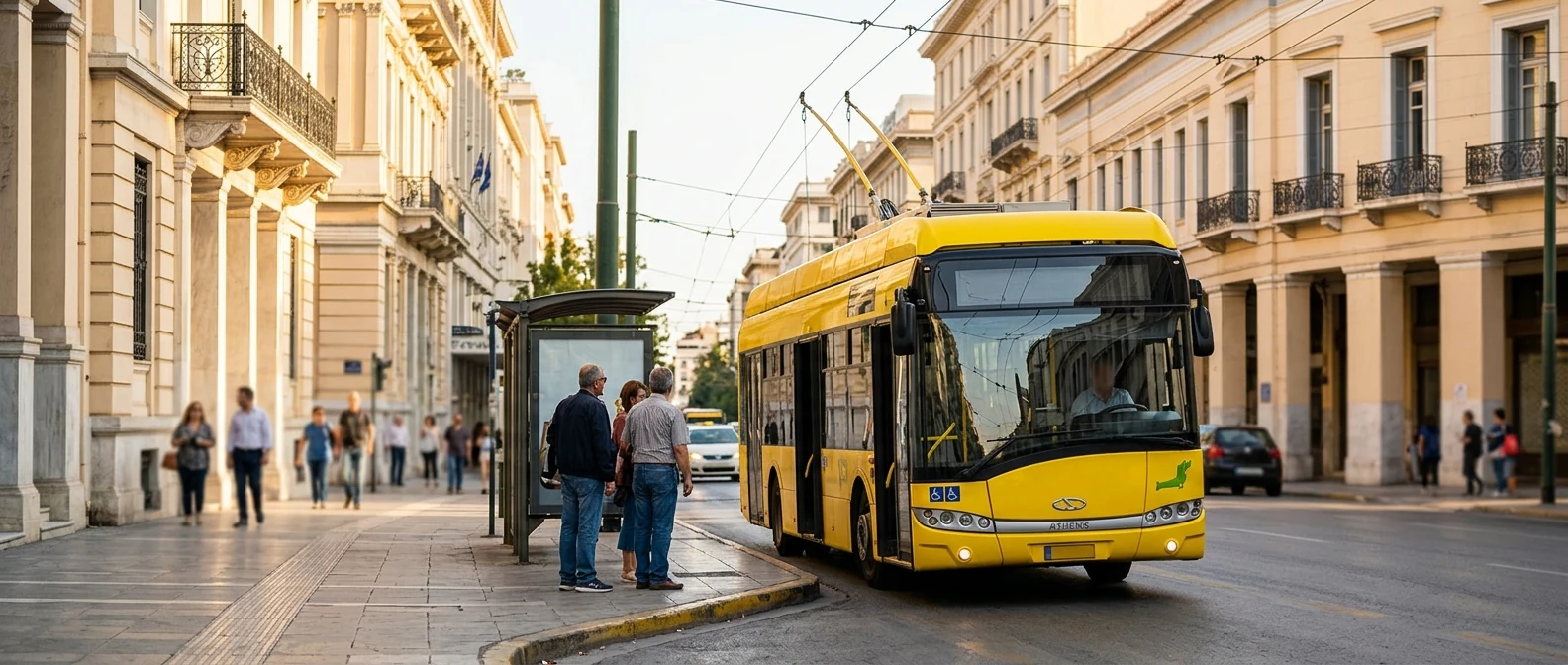
Athens surface transport runs under the OASA umbrella: city buses and electric trolleybuses. For visitors, the important point is simple: they use the same ticketing system as the metro and tram. With a standard ticket, you can change between modes within the time window that applies at the time you travel. Prices and passes do change, so check the tickets and passes guide before you buy.
The routes that often matter to visitors
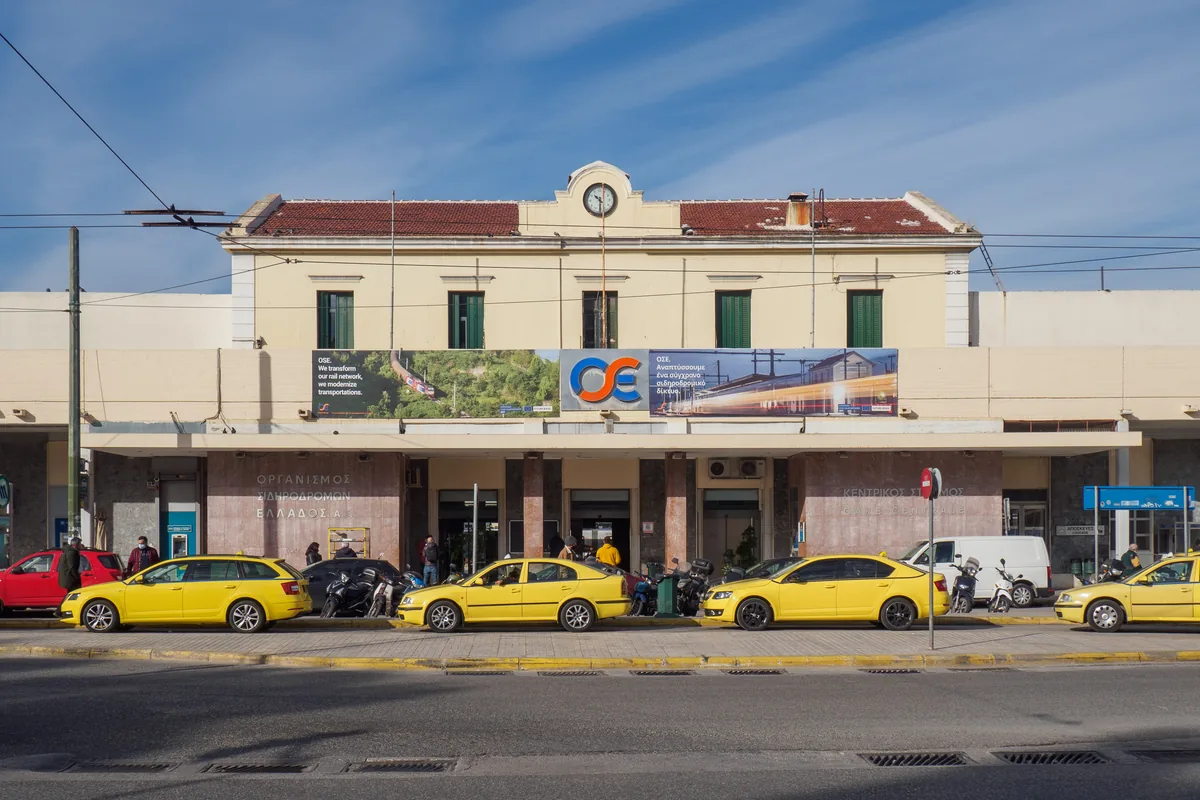
X80 — Piraeus and the centre
Mainly useful for visitors arriving at Piraeus and heading toward central points. Its timetable and frequency can change by season, so check it on the day you travel.
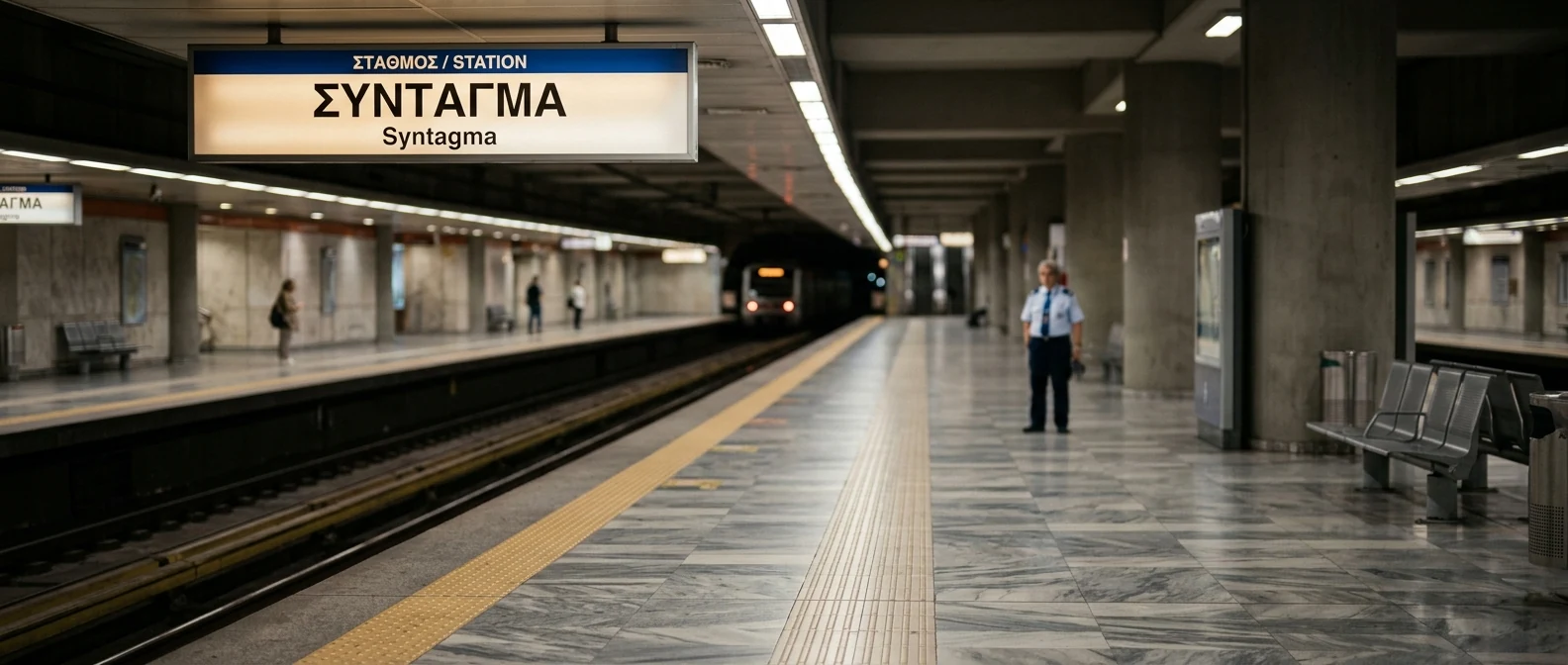
X95 — airport and Syntagma
The best-known airport bus route. It is useful when the metro is not running or when you want to arrive directly at Syntagma. See also the guide to the airport metro and bus.
040 — Syntagma to Piraeus
A classic route linking the centre with Piraeus, especially useful when the metro does not suit your timing. It is not fast, but it can save a late trip to the port.
Trolleys along Patission
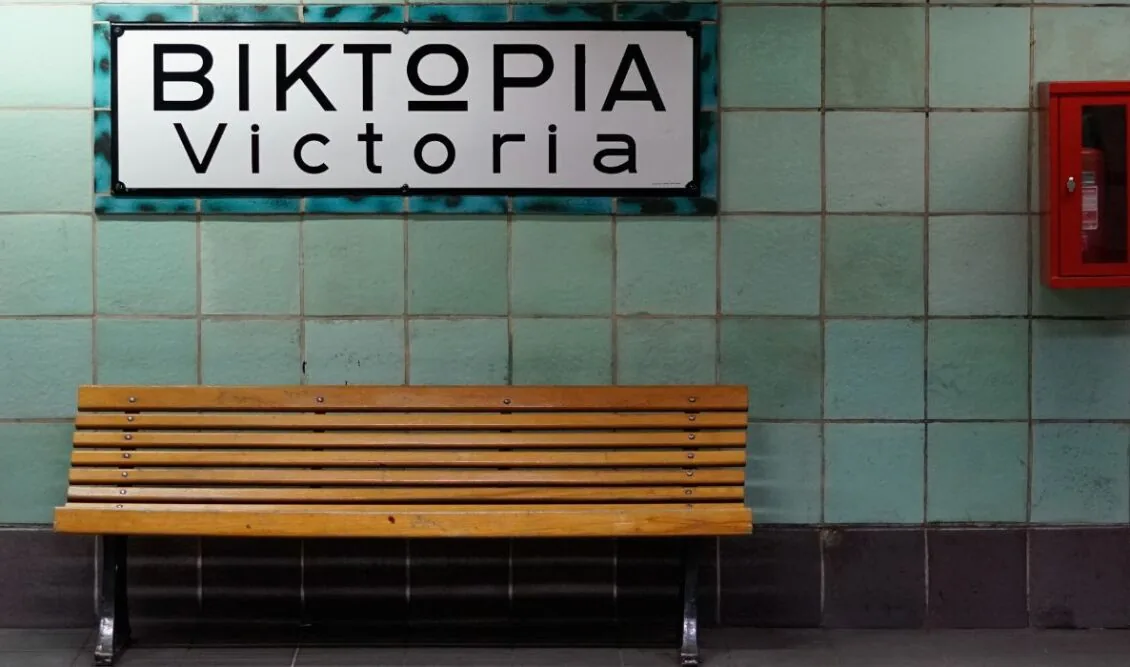
Along the Patission corridor, trolley routes can help around Victoria, the National Archaeological Museum, Omonia and the centre. They are useful when you do not want to go down into the metro for only a few stops.
Trolleys toward Akademias and Syntagma
Some trolley lines run through Patission, Akademias, Omonia and Syntagma. They are slow in traffic, but for short distances they can be easier than walking.
Smaller city routes
Some routes cut between Acropolis, Plaka, Syntagma and neighbourhoods around the centre. Use them when they appear clearly in the app and the wait is reasonable.
How to ride correctly
- Buy a ticket before boarding. The easiest place is usually a metro station or ticket point. Do not assume the bus will have a working machine.
- Validate as soon as you get on. Use the validators near the doors. Without validation, the ticket is not considered valid.
- Keep the ticket until you get off. Inspections do happen on buses and trolleybuses, and the fine is far higher than the ticket itself.
- Press the stop button. Buses and trolleybuses do not always stop unless someone asks. Move toward the exit shortly before your stop.
Apps and real-time tracking
OASA telematics shows live arrivals for buses and trolleybuses, but it is not always perfect. For most visitors, Google Maps is the simplest tool: enter your destination, see which line helps, and check where to get off. If the app shows a long wait, it can be better to walk to the metro or take a short taxi ride.
Frequencies and reliability
Peak (07:30–09:30)
Main routes come more often, but they fill quickly and slow down in traffic.
Off-peak day
Waiting is calmer, especially away from the busiest central corridors.
Evening (after 21:00)
Services thin out and many routes finish before or around midnight.
Night network
There are only a few night routes, plus the X95 for the airport. Always check the app before waiting at a stop.
When the bus beats the metro
- The metro does not reach there. Coastal points, hills, neighbourhoods and smaller links are often covered better by bus.
- The metro is on strike or interrupted. Surface transport can run differently on those days. See the metro strikes guide.
- The walk is too much in the heat. A short trolley or bus ride can make a big difference on a hot day.
- You want to see more of the city above ground. Surface routes take you through normal streets and neighbourhoods, not only underground stations.
When the bus is the wrong choice
Three times when it is usually not worth it
- Very central trips during rush hour. The metro is usually faster and more predictable.
- Plaka, Acropolis or Monastiraki. Distances there are often short enough that walking is simpler.
- The route is not clear in the app. If you do not know the city well, avoid improvising on unfamiliar bus lines.
Accessibility
The fleet is mixed. Many vehicles are low-floor, but that does not mean every route or every stop is truly easy with a wheelchair. For more predictable access, the metro is usually still the better option, as long as the station lifts are working. See also the accessibility guide for broader planning.
What the ride feels like on board
Athens buses feel like everyday city life in motion: commuters, students, older residents, visitors with maps and passengers who know exactly where to stand. The ride can be abrupt during braking or turns, so hold on before the vehicle pulls away.
- Move inward after boarding. Doors fill quickly, especially at central stops.
- Hold on properly. Athens traffic makes bus and trolley rides less smooth than the metro.
How to get to Angel Athens (Ioulianou 50)
From Syntagma, routes running toward Patission can bring you close to Victoria Square, and from there you continue a few minutes on foot. From the airport, the X95 takes you to Syntagma, where you continue by metro, trolley or a short taxi ride. From Piraeus, Line 1 to Victoria is usually the cleaner option than a bus, unless the app shows a better connection at that moment.
Frequently asked questions
Are tickets cheaper as a tourist?
No. Prices are the same for residents and visitors. What changes is which product makes sense for you: a standard ticket, a day pass or a multi-day pass. See the tickets guide.
Can I pay with a contactless card?
Contactless payment is expanding across Athens transport, but do not assume it will be available on every bus or trolleybus. To avoid getting stuck, have an ATH.ENA card or paper ticket ready before you board.
Can I take a suitcase on the bus?
Yes, as long as you are not blocking the movement of other passengers. The X95 is more suitable for luggage than a normal city bus. For large suitcases, Metro Line 3 is usually the more comfortable choice.
Is there a hop-on hop-off tourist bus?
Yes, there are private hop-on hop-off sightseeing buses starting from central points such as Syntagma. They are separate from OASA, so the normal public-transport ticket does not work on them.
Sources:
— Kathy