What Greek pharmacies sell without prescription
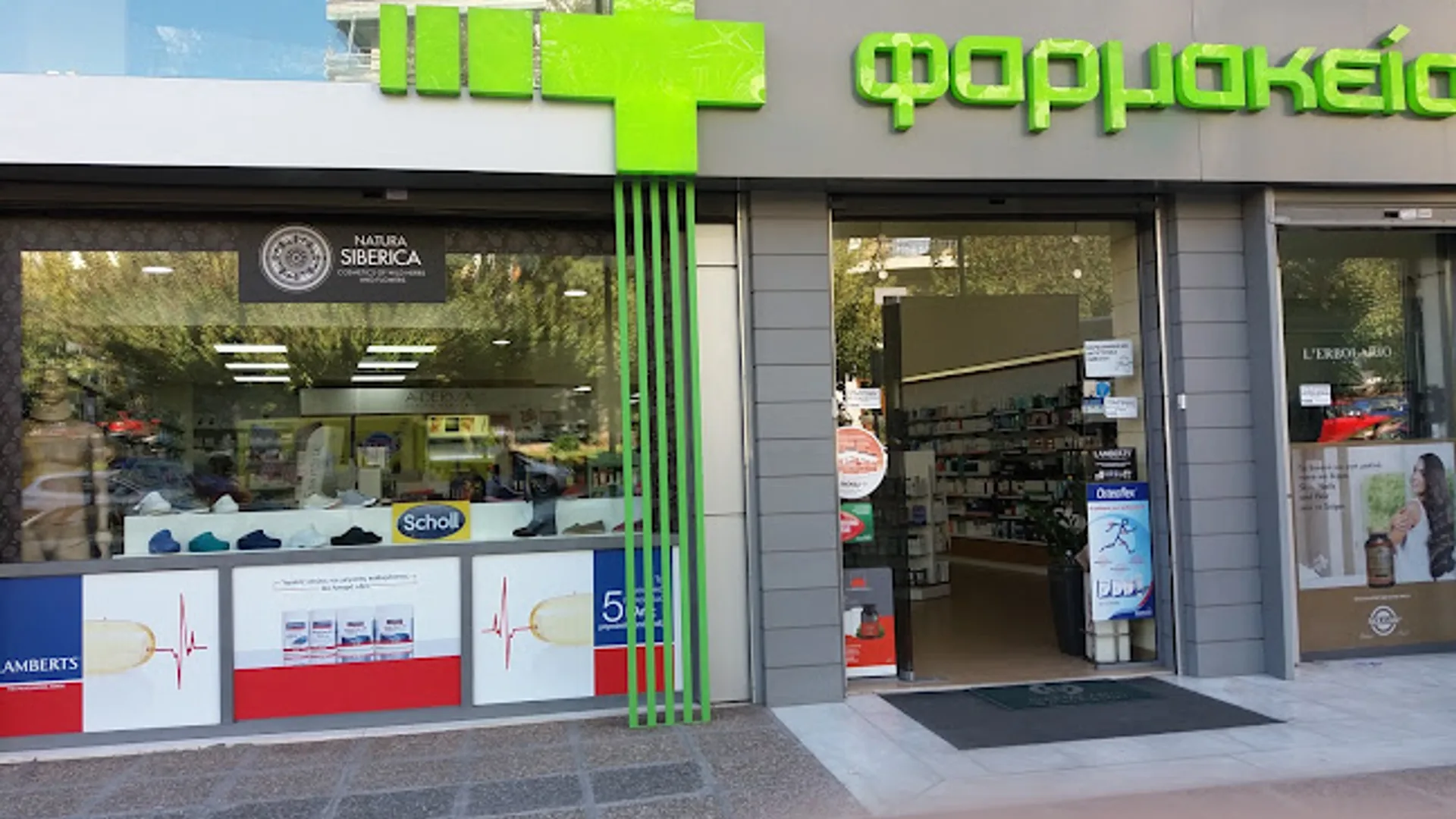
Pharmacies in Greece can help with many common travel issues, but a pharmacist does not replace a doctor. For medicines that require a prescription, the final decision depends on Greek rules and on the specific product. For basic needs, you will usually find:
Pain and fever
Paracetamol, ibuprofen, aspirin and similar products. The pharmacist may ask about age, other medicines and sensitivities.
Stomach issues
Antacids, electrolytes and some products for diarrhoea or nausea, depending on the symptoms.
Cold and flu
Lozenges, syrups, nasal sprays and decongestants, when they are suitable for your case.
Allergies
Some antihistamines are available without prescription and some are not. Describe the symptoms clearly and mention any other medicine you take.
Antibiotics — restricted
Antibiotics in Greece usually require a prescription. If you think you need one, speak to a doctor.
Skin / wound care
Antiseptics, plasters, bandages, sunscreen and products for bites or skin irritation.
Pharmacies near the apartment
A few steps from Ioulianou 50 you will find two pharmacies we know and recommend: Afouxenidi Dimitra Georgios (~1 minute) and Basea Chrysoula (~2 minutes). Both are reliable, helpful and easy to reach on foot — no Google Maps needed.
Typical pharmacy hours
Mon–Fri
Often morning hours and, on some days, an afternoon opening. Many close at midday.
Saturdays
This varies a lot. Some open only in the morning and some stay closed.
Sundays
Most pharmacies are closed. Look for the pharmacy on duty.
Holidays
Regular opening changes. For urgent needs, check the pharmacy on duty for that day.
The pharmacy-on-duty system
How to find the one that is open
Greece works with a duty system for pharmacies. Each day and night, specific pharmacies cover each wider area. The closest one to you may not be the one on duty, so check first:
- Check the door of the nearest pharmacy — there is usually a posted list with the duty pharmacies, addresses and hours.
- Call 14944 or 11890 — information services for pharmacies, usually with a charge.
- Visit fsa.gr — the Attica pharmacists' association has a duty-pharmacy search tool.
- Use Google Maps for "pharmacy open now", but call before you walk there.
- Ask your host or hotel if you need help late at night.
What pharmacy on duty means at night
The pharmacy on duty may serve people through a bell, a small window or limited entry, especially very late. For a night-time need:
- Find the address using the methods above.
- Decide whether to walk or take a taxi. If it is late or the area feels unfamiliar, the taxi is more comfortable.
- Ring the bell if the door is closed but the pharmacy is listed as on duty.
- Describe the symptoms briefly and show a photo or medicine packet if you have one.
- Be patient — late-night service is slower than daytime service.
Prescriptions from home
- Bring written prescriptions and medicine packaging from home — this helps the pharmacist identify the active ingredient.
- EU prescriptions can help, but they need to be written correctly and accepted for the specific medicine.
- Non-EU prescriptions may help identify the medicine, but they do not guarantee that it will be dispensed.
- Generic equivalents are often available. Ask by active ingredient, not only by brand name.
Useful travel-pharmacy items
Things visitors often buy from a Greek pharmacy:
- Sunscreen — high SPF for summer and long walks.
- After-sun lotion for irritated skin.
- Mosquito repellent for evenings in parks, courtyards and rooftops.
- Bite-relief cream or an antihistamine, if the pharmacist recommends it.
- Plasters and blister patches after long walks.
- Electrolytes for hot days or dehydration.
- Probiotics if a pharmacist or doctor recommends them.
- Contact lens solution and basic personal-care items.
When to skip the pharmacy and see a doctor
- Persistent fever above 38.5°C for more than 48 hours.
- Severe abdominal pain or signs of appendicitis.
- Chest pain, breathing difficulty, severe headache.
- Suspected food poisoning not responding to oral rehydration after 24 hours.
- Significant injuries requiring stitches or X-ray.
For these cases, call 112 or 166, or go to an on-duty hospital. In Athens there are public hospitals and private clinics with English-speaking service. If you have travel insurance, keep all documents and receipts.
Emergency numbers
- Ambulance: 166
- European emergency: 112 (English available)
- Pharmacy info: 14944 / 11890
- Tourist Police: 1571 (English; can advise on medical access)
What to know about prices
- Prices vary by product, brand and pharmacy.
- Generic medicines may be cheaper than branded ones. Ask the pharmacist.
- For insurance reimbursement, keep the receipts and photograph the product packaging.
Near Angel Athens (Ioulianou 50)
From Ioulianou 50, the two pharmacies we recommend — Afouxenidi Dimitra Georgios (Aristotelous 59, ~1 minute) and Basea Chrysoula (~2 minutes) — are there almost instantly. For a late-night need, first find the pharmacy on duty and then decide whether to walk or take a taxi. If you are with small children, older travellers or more intense symptoms, do not lose time: call 112 or 166.
FAQ
Do pharmacists speak English?
Many pharmacists in Athens speak workable English. It helps if you have a photo of the packaging, the active ingredient or the symptoms written down.
Can I get the morning-after pill?
Usually you can ask for emergency contraception at a pharmacy. The pharmacist will guide you on the appropriate product and the time window for taking it.
What about birth control pills?
For long-term medication, bring enough from home and keep your prescription with you. If you need a renewal, speak to a doctor in Greece.
Are vaccines available?
For vaccines, ask a pharmacy or a doctor. For travel vaccines, use a travel-medicine clinic.
Is there a 24/7 chain like Boots in the UK?
Not in the same way. Overnight coverage is handled mainly through the duty-pharmacy system, not through a single chain that stays open all night.
Sources:
— Kathy