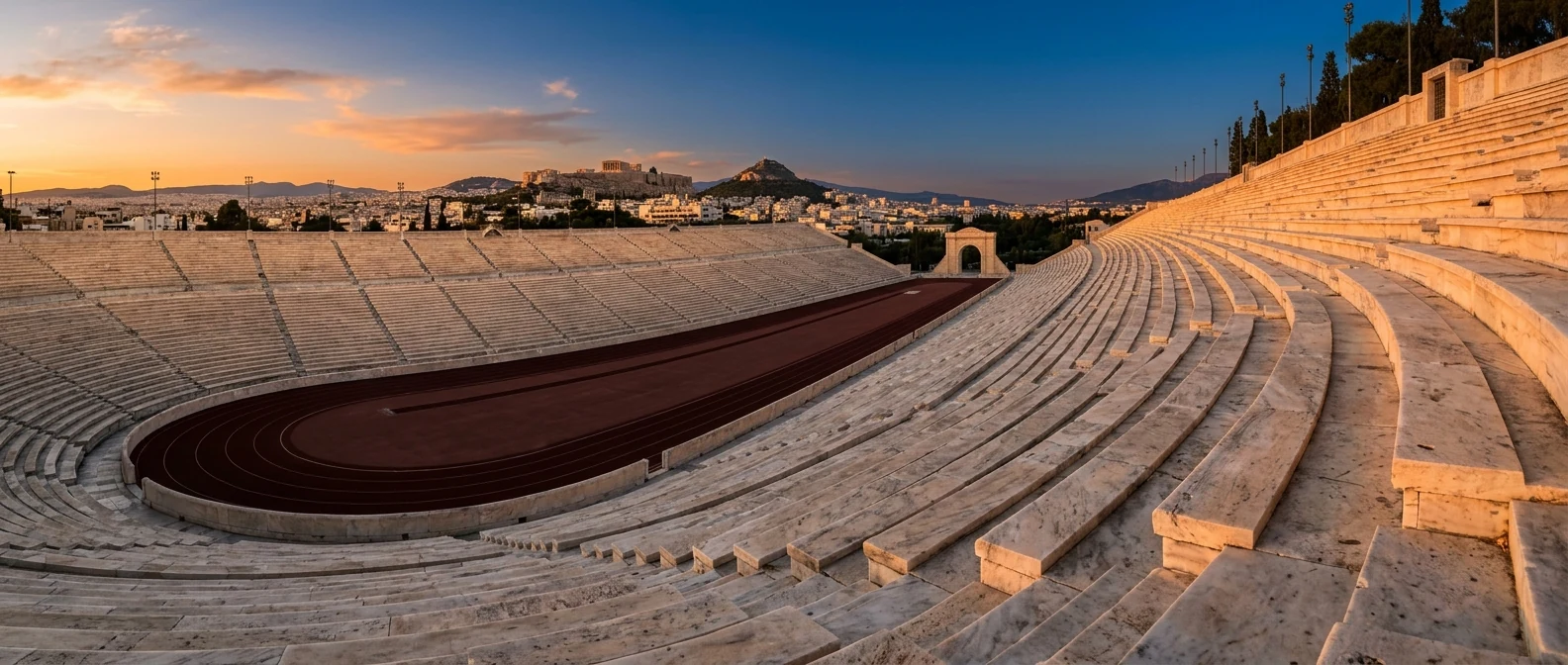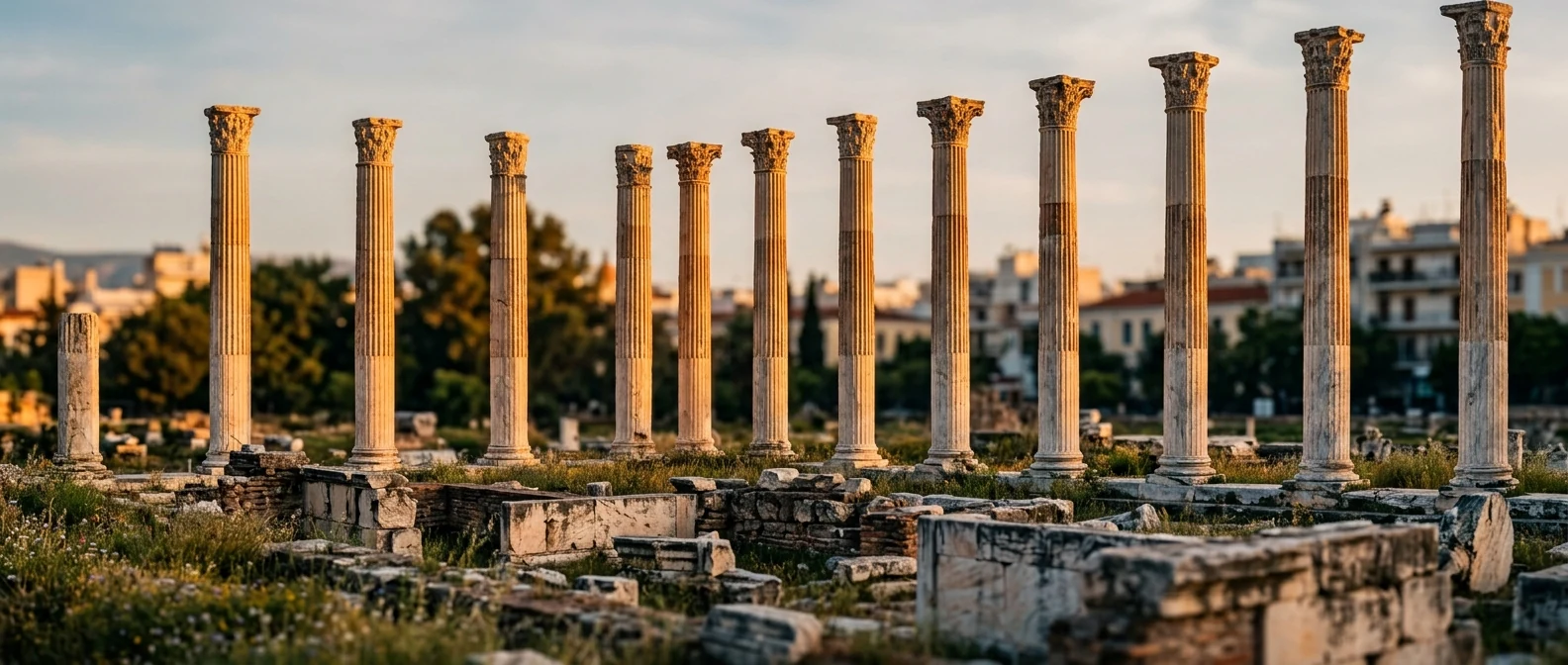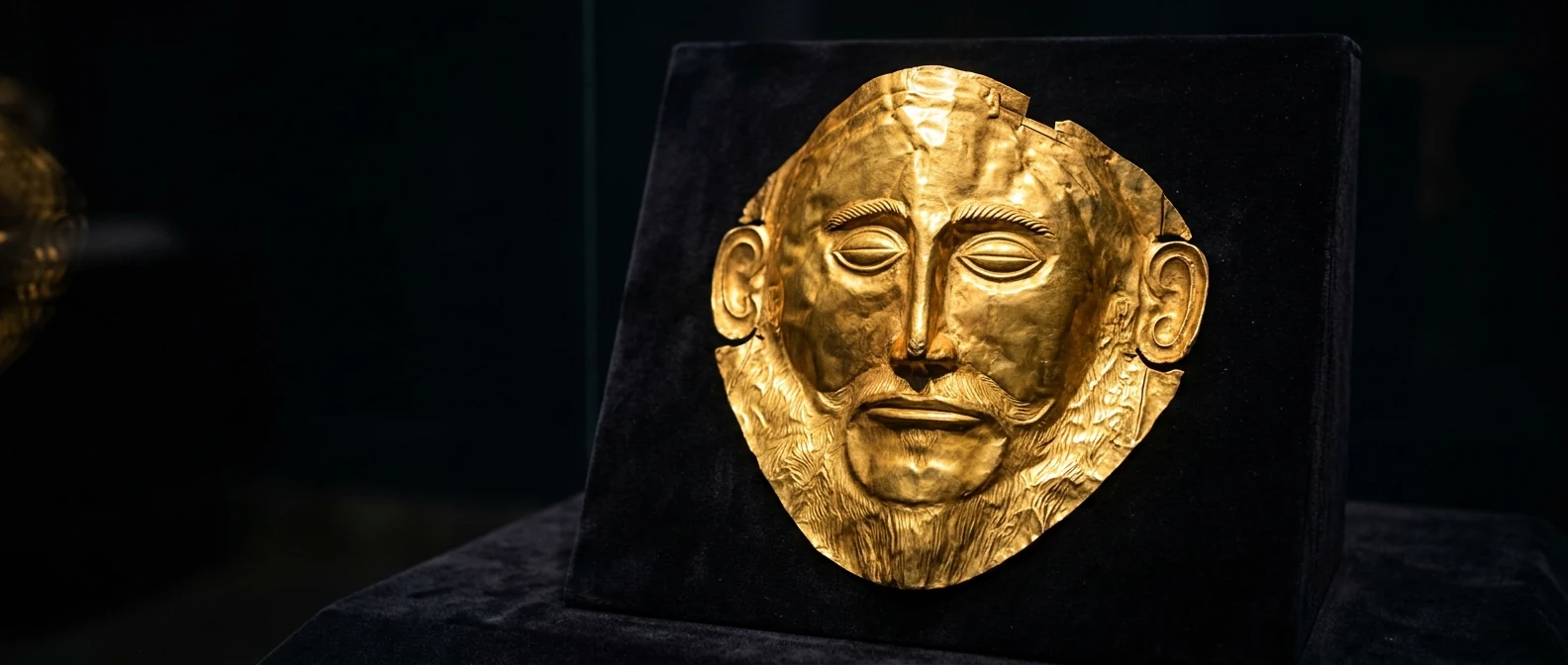
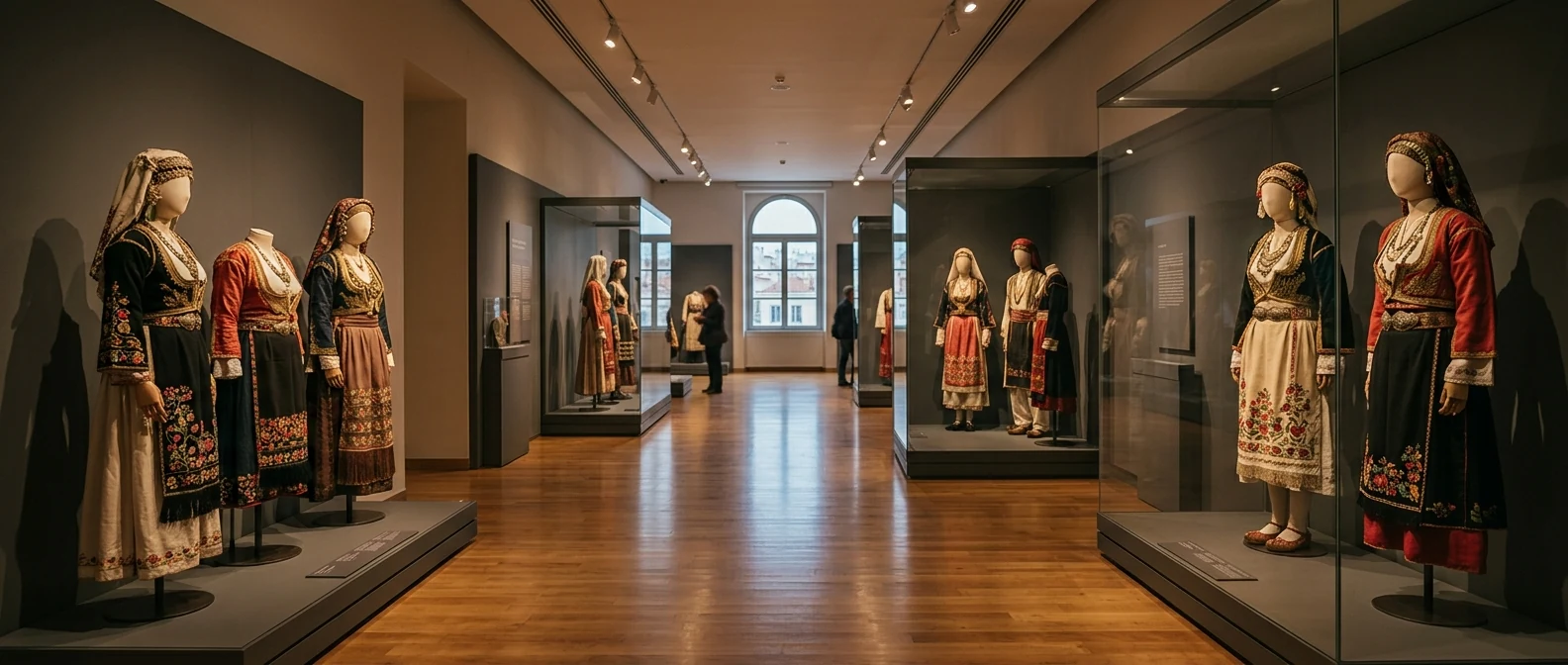
The Benaki makes Greek history feel personal. Where other museums divide antiquity, Byzantium, and the modern period into separate worlds, this one lets them speak to each other: ancient jewellery, Cretan icons, embroidery from Asia Minor, works of modern Greek painting, archives, and personal objects. The collection began with Antonis Benakis, whose idea was simple and clear: Greek culture is not only ancient ruins. It is a longer route, with continuities, breaks, losses, and returns.
The mansion itself
The main building, the Museum of Greek Culture, is a neoclassical mansion at the corner of Vasilissis Sofias and Koumbari, opposite the National Garden. It was the Benakis family home and was donated to the Greek state together with the collection. Later extensions added galleries and levels without wiping away the domestic character of the building. You do not move through one straight corridor of history here; you rise gradually through smaller rooms and shifts in atmosphere.
Practical details
Address: Koumbari 1 & Vas. Sofias, Kolonaki.
Hours: Check the official website before you go, because opening hours and late openings change by season.
Ticket: There are standard, reduced, and free tickets for specific visitor categories. Prices and free-entry hours should be checked before your visit.
Metro: Syntagma (Lines 2 and 3), about a 7-minute walk through the National Garden.
Time: 90 minutes for a focused visit. Two to three hours if you want time for the labels and the smaller rooms.
How to get there from Angel Athens
From Ioulianou 50, walk a few minutes to Victoria, take Line 1 to Omonia, change to Line 2, and go two stops to Syntagma. From there, walk toward Kolonaki, passing along the National Garden side. Allow around 20 minutes, depending on the metro change.
📍 From Angels Athens to Benaki Museum
See at a glance how to get from the apartment at Iouliánou 50. Drag the map and zoom in for details.
First floor: Byzantine and post-Byzantine
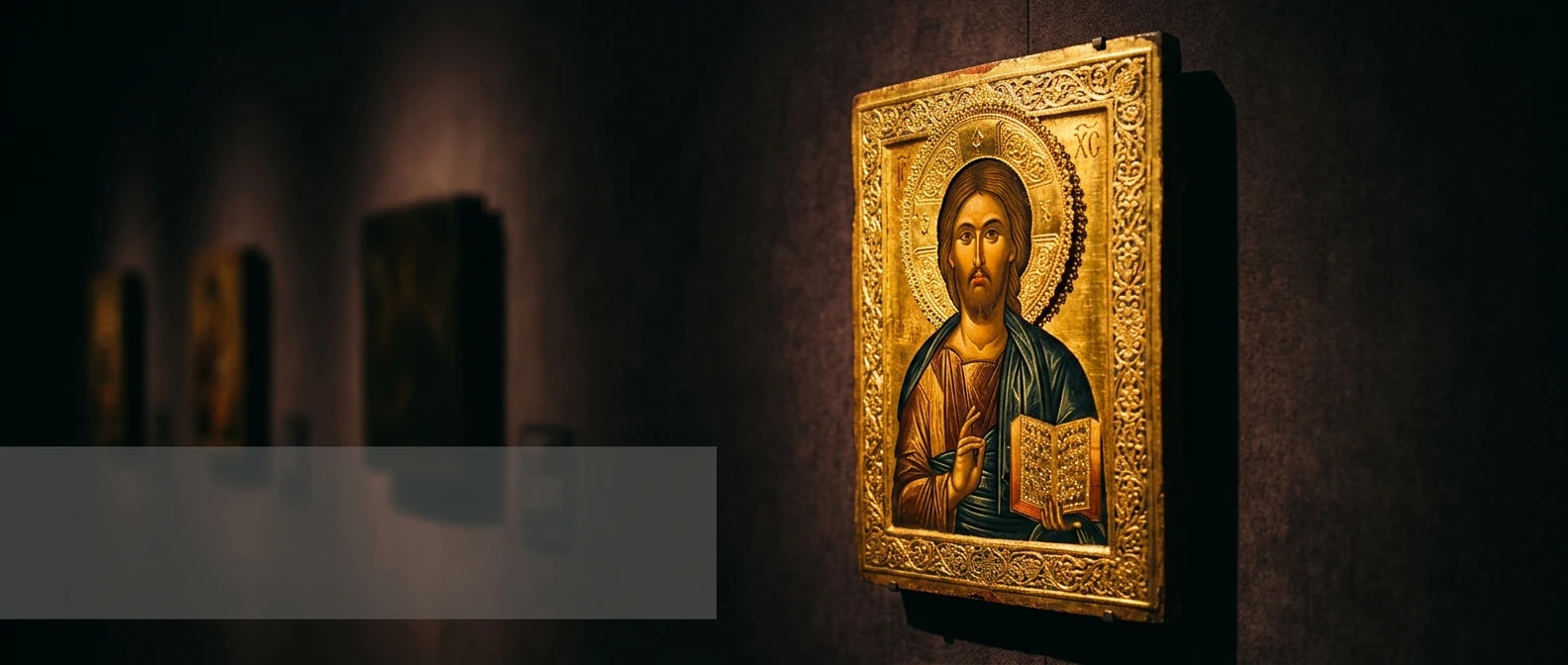
This is the floor many visitors remember most clearly. The Byzantine and post-Byzantine icons do not appear like a dry lesson in art history. They are shown densely, with colour, wood, and lower light. Look for the works of the Cretan School and spend a little time on the faces, not only on the gold surfaces. This is where you feel most clearly how the religious image passes from workshop to workshop and changes without losing its link to tradition.
On the same floor, spend a moment in the reconstructed reception room from a mansion in Kozani, with carved ceiling, low seating, and painted walls. Many visitors move through quickly because it is not a famous single object. Give it two minutes. Suddenly history leaves the display cases and turns into a room where people once sat, spoke, and received guests.
Second floor: 1821 and the making of the modern Greek state
The galleries on the 1821 Revolution work best when you see them through personal objects: weapons, uniforms, documents, portraits, and material linked to fighters and philhellenes. The story is not only heroic. It also shows the political weight of the period: the building of a state, alliances, and the images the new Greece created for itself.
In quieter rooms, look for works and documents by 19th-century travellers, such as the watercolours of Edward Lear. They have a different energy from finished studio works: a quicker eye, less staging, and more of the feeling of the road.
Third floor: 19th and 20th century
In the modern period you move into Greek painting: Nikolaos Gyzis, Konstantinos Volanakis, Nikiforos Lytras, Yannis Tsarouchis, and Theophilos Hatzimichael. Theophilos is worth extra time. At first his scenes may look simple, but they have their own theatricality and a way of turning history into popular image without academic stiffness.
The rooftop
If it is operating on the day you go, the rooftop cafe-restaurant is worth a stop. The view takes in the Acropolis, Lycabettus, and the trees of the National Garden. You do not need a full meal; even a coffee after the galleries helps everything you have seen settle a little. Just check whether access and opening hours are running normally on the day.
The other Benaki branches
The Benaki is not only the Koumbari building. It also has other sites in Athens, each with a different character. For a first visit, it is enough to know the most useful ones:
- Pireos 138 — a temporary exhibition space in a former industrial building, often used for strong shows in contemporary art, architecture, and design.
- Museum of Islamic Art — in Thissio, with collections that open a different side of the Mediterranean and the East.
- Ghika Gallery — the apartment-studio of Nikos Hadjikyriakos-Ghika, useful if you are interested in the Greek Generation of the 1930s.
- Toy Museum — in Palaio Faliro, more family-oriented and a good option if you are travelling with children.
If you plan to visit more than one Benaki site, check the current ticket or membership options on the official website. The combinations change, and it is not worth relying on an old price.
FAQ
How does it compare to the National Archaeological?
They do different jobs. The National Archaeological Museum is denser and more archaeological, with its weight on antiquity. The Benaki is more domestic, more narrative, and continues into the modern period. If you want ancient art in depth, choose the National. If you want a more continuous picture of Greek history, choose the Benaki.
Is the audio guide worth it?
Yes, if it is available in a language that suits you and you do not want to stop at every label. The Benaki has many small objects that become more rewarding when someone explains why they are there.
What's the best day?
If there is a late opening during the period of your visit, choose it. The building works beautifully when the light starts to drop, the galleries quieten down, and the experience feels less rushed.
— Kathy