The Athens rubbish system, simply explained
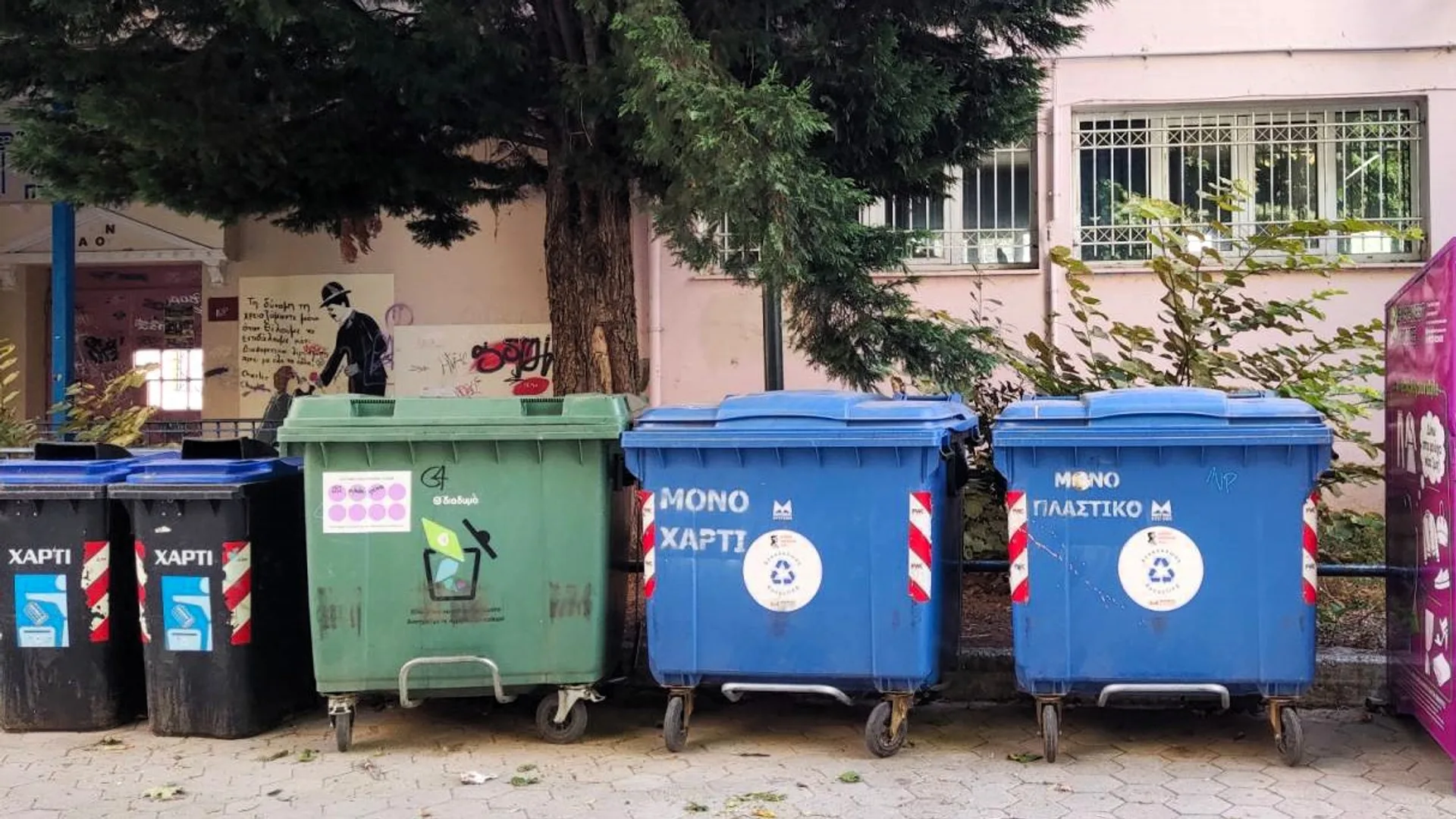
Athens uses wheeled bins on the pavement. Most apartment buildings do not have an internal rubbish room, so residents take tied bags down to the nearest green bin. There is no fixed "rubbish day" as in some other countries; collection happens frequently, usually later in the day or at night, with some changes on holidays.
The bin types you may see
Green bin (general waste)
Standard household rubbish. Use tied bags and close the lid if you can.
Blue bin (recycling)
Paper, cardboard, plastic bottles, glass containers and metal cans, preferably clean and empty. You will not find one on every corner, but they are easy to spot.
Yellow bin (clothing / textiles)
For donating clothes and textiles. Less common; usually placed on selected corners by charities or the municipality.
Brown bin (organic — increasing rollout)
Food waste and other organic material. The network is still expanding, so one street may have it and the next may not. If you do not see a brown bin, use the green one.
Where the rubbish bag goes in Victoria
- On most streets around Heyden and Aristotelous you will find a green bin close to the building or on the next block.
- Bags should be tied. Do not throw loose rubbish into the bin.
- Do not leave a bag next to a full bin. Walk to the next one so the rubbish does not stay on the pavement.
- Late afternoon to evening is usually a good time to take rubbish down, because collection often happens later.
Recycling: what counts
- Yes: clean flattened cardboard, paper, plastic bottles, aluminium cans, glass bottles and jars.
- No: food-soiled paper, batteries, small electronics, cooking oil and mixed rubbish.
- Batteries: use the special recycling boxes in large supermarkets and electronics shops, not the pavement bins.
- Plastic bags: reuse them if you can, or look for collection points in supermarkets.
- Glass: in most cases it goes into the blue bin, unless there is a separate glass-only bin nearby.
Laundry options near Victoria
Self-service laundry
Neighbourhood self-service spots with coin- or card-operated machines. Wash and dry are usually charged per machine. If there is staff, ask for help the first time.
Drop-off laundry service
You leave the clothes and collect them washed, dried and folded. It costs more than self-service, but it saves time.
Dry cleaner
For suits, dresses, wool and delicate fabrics. Prices are per item and the turnaround may take 1-3 days.
Serviced apartments
Some serviced apartments have their own washing machine or drying rack. Check the listing or ask the host.
Indicative laundry prices
€5-€10
Self-service per load (wash + dry). Detergent often included or €1-€2 extra.
€10-€18
Drop-off per load (washed + dried + folded).
€20-€30
Express drop-off (same-day return) per load.
€5-€15 per item
Dry cleaning specific garments (shirts, dresses, suit jackets, trousers).
A practical laundry plan
For a 7-day stay
- Bring clothes for 4-5 days and do one wash in the middle of the stay.
- If you use drop-off, leave the clothes in the morning and ask clearly when they will be ready.
- Do not leave the final load for a few hours before departure, especially in winter.
- Do not put delicates, wool or silk into a standard cycle. Ask for dry cleaning.
- Swimwear and sportswear are easy to hand-wash and dry quickly in summer.
Apartment cleanliness basics
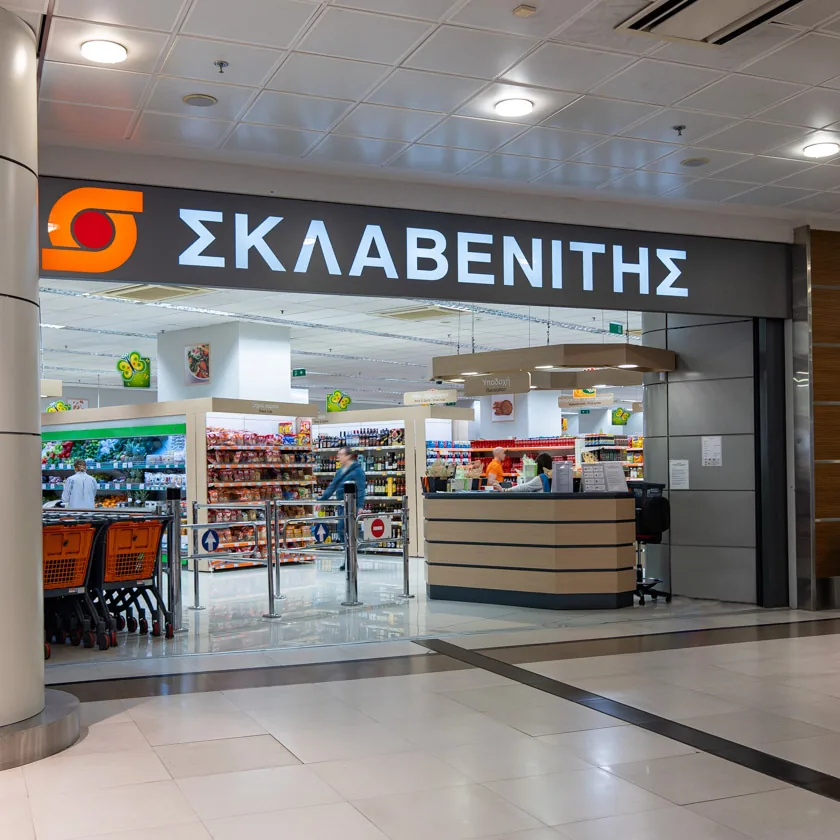
- Cleaning supplies are sold in supermarkets such as AB and Sklavenitis. See the supermarkets guide.
- Vinegar is useful for limescale on kettles, taps and small surfaces.
- Athens water is fairly hard, so limescale appears quickly on kettles and showers.
- If you notice a cleanliness or insect problem, tell the host straight away instead of leaving it until checkout.
Greek plumbing: a few important quirks
- Follow the apartment instructions about toilet paper. In older buildings you may be asked to use the small bin next to the toilet. If you are not sure, ask the host.
- The hot-water boiler may need to be switched on manually. If the water is not warm, check the apartment instructions first.
- Water pressure may change depending on the time of day and the floor, especially in older buildings.
- Drains can be slow; minimise food waste in sinks.
What to do while you wait
If you use self-service, ask how long the cycle takes and note the return time. Some places have seats; if not, take a coffee from a nearby cafe and come back before the programme ends.
Near Angel Athens (Ioulianou 50)
At Ioulianou 50, use the nearby green and blue bins the way any local resident would. For laundry or dry cleaning, ask the host for the closest reliable option at that time, since neighbourhood choices can change.
FAQ
Do laundrettes speak English?
Newer self-service places often have English instructions or clear icons. In older neighbourhood spots, you may need to point to the clothes and ask simply for washing and drying.
Can I do laundry on Sunday?
Some self-service places open on Sunday, but drop-off services are often closed. Check the hours before you leave clothes there.
What if my host's washing machine breaks?
Tell the host straight away. Usually they will suggest a nearby laundrette or arrange repair.
Are clothes dryers common?
Less common than in Northern Europe. Many Athens apartments use a drying rack or balcony. In summer clothes dry quickly, while in winter they may need much longer.
Where to put broken electronics?
Small electrical items and electronics should go to dedicated recycling points, usually in larger electronics shops. Do not put them in the green or blue bins.
Sources:
— Kathy