🚦 When it's worth it and when it isn't
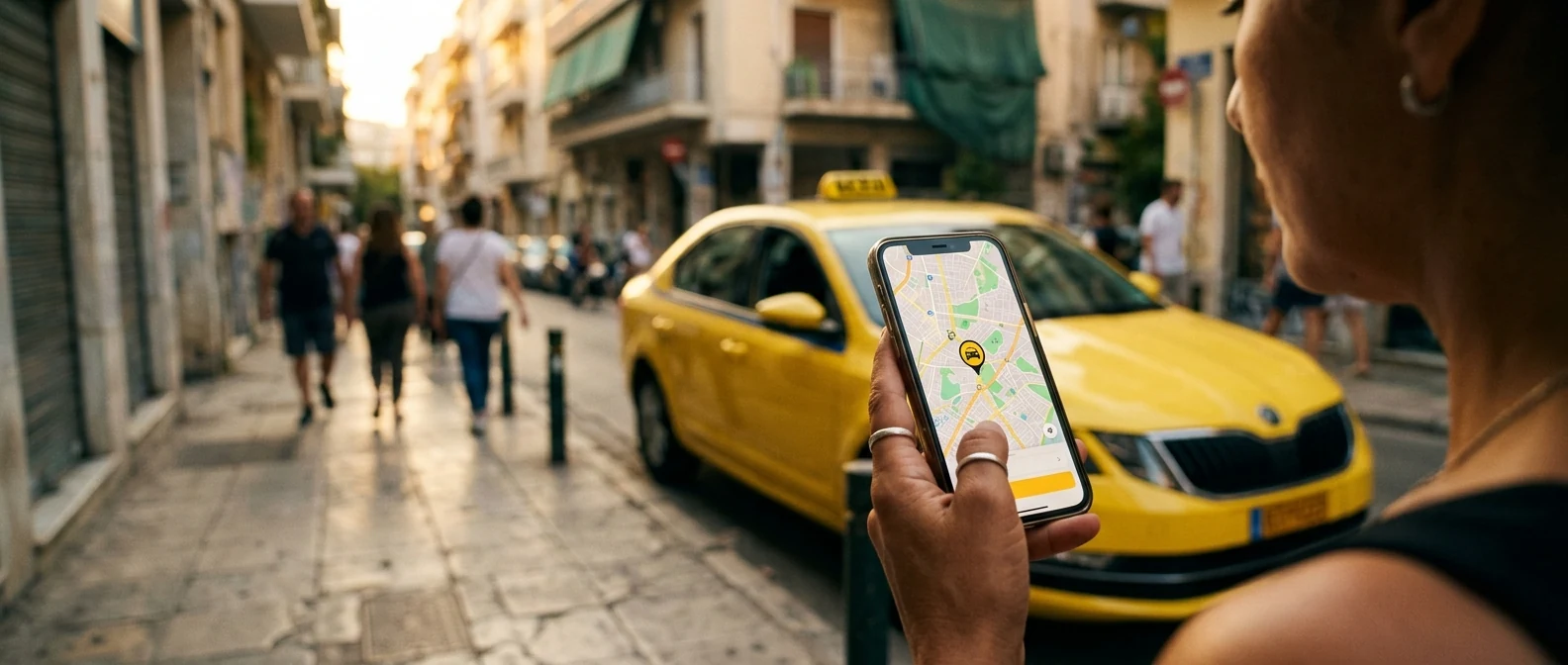
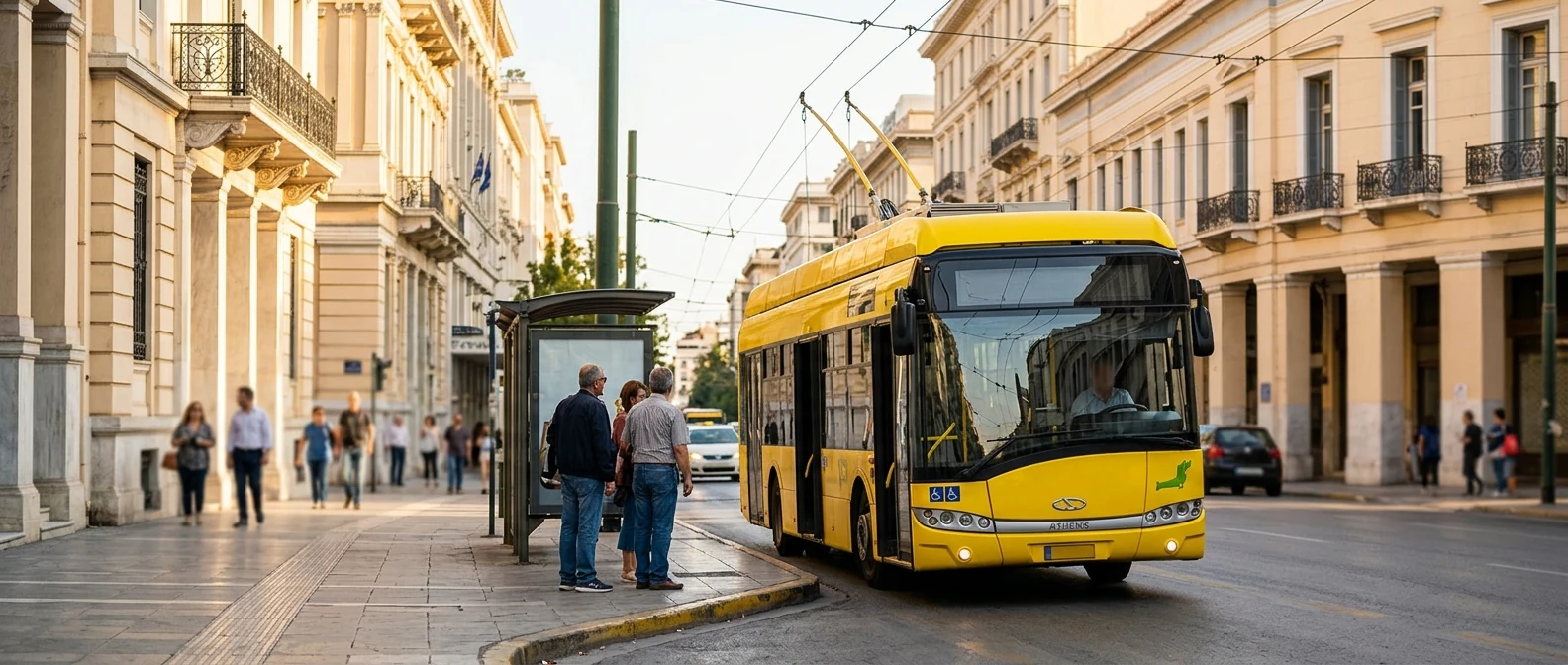
If you're staying around Syntagma, Plaka, Monastiraki, Psyrri, Koukaki or Victoria, a car is a burden. Distances are short, the metro reaches everywhere, parking costs money and the Daktylios ring imposes rules. Outside the city, though — Sounio, Delphi, the Peloponnese, Meteora, the beaches of eastern Attica — a car literally transforms the trip.
❌ No car when…
- You're staying 2–4 days in Athens only and will see the Acropolis, museums, Plaka, Lycabettus.
- You're heading to the airport or Piraeus — metro, X95 bus or a flat-rate taxi are cheaper and simpler.
- You want a Riviera beach (Glyfada, Voula, Vouliagmeni) — the tram and the coastal buses are enough.
- You have no experience with dense traffic full of scooters, buses and narrow streets.
- You want to enjoy wine in the evening without a second thought — the alcohol limit is 0.5 g/l (0.2 for new drivers).
✅ Yes to a car when…
- You want Sounio with beach stops and sunset at the Temple of Poseidon.
- You're going to Delphi and want Arachova, Hosios Loukas or Galaxidi along the way.
- You're doing a 3–5 day Peloponnese loop: Corinth, Mycenae, Nafplio, Epidaurus, Monemvasia.
- You want beaches with no public transport — e.g. Mikro Sesi, Schinias, Legrena.
- You're travelling as a family with children or with lots of luggage and want flexibility.
- You're combining Meteora + Delphi + Pelion in one road trip.
💡 The "hybrid" recipe I recommend to almost everyone
First days in Athens without a car. On the day your excursion starts, pick up from a city-centre office (Syngrou, Amalias) or from the airport, and return it on the last day — ideally straight to the airport if you're flying out from there. That way you pay rental, insurance and parking only for the days when the car gives you real freedom.
🏢 The companies: airport and centre
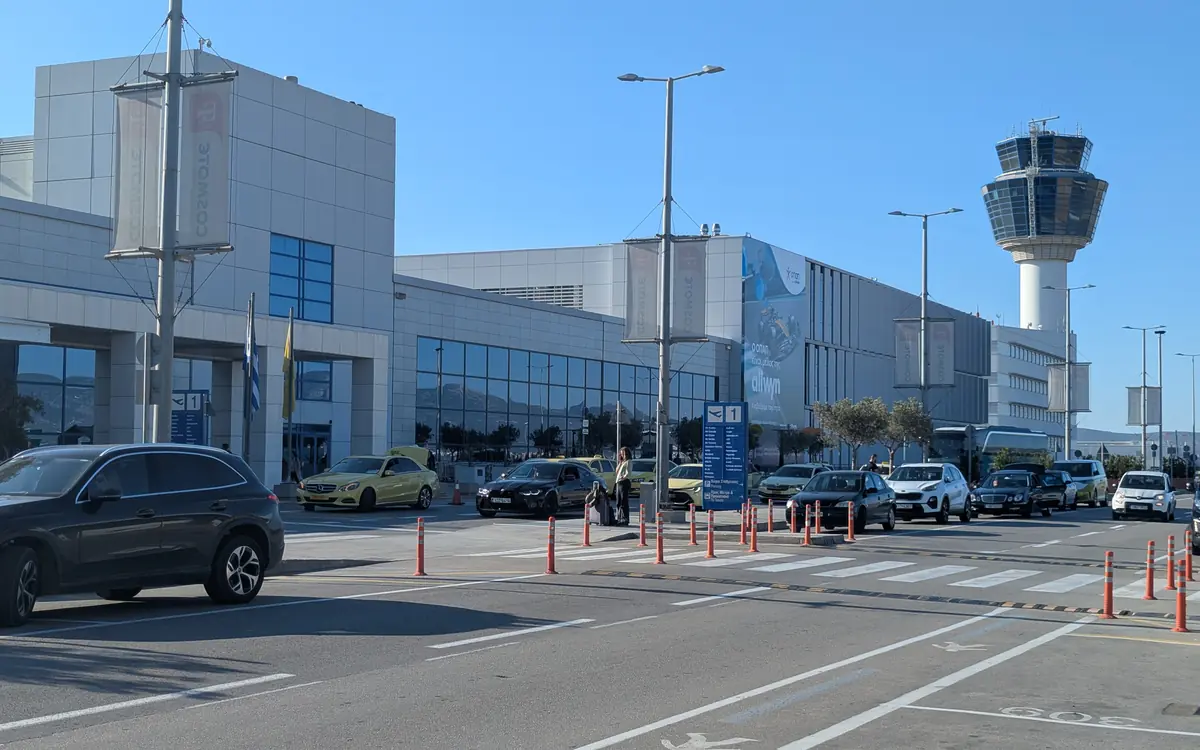
At Athens "Eleftherios Venizelos" airport the big companies' desks are inside the arrivals hall, between exits 3 and 4 — no shuttle needed. The budget companies have offices outside the airport (in Spata, Paiania or Koropi) and bring you over in their own minibus, usually within 10–20 minutes. In the centre, most have branches on Syngrou Avenue (near Akropoli / Syngrou-Fix metro) and on Amalias Avenue (Syntagma).
| Company | Airport (desk & hours) | Phone | Athens centre | Site | |
|---|---|---|---|---|---|
 | Sixt | Arrivals hall, exits 3–4 · 24/7 | +30 210 353 0556 | 11 Syngrou Ave & Lempesi (Akropoli metro) · 08:00–21:00 | sixt.com |
 | Avis | Arrivals hall · 24/7 | +30 210 353 0578head office: 210 687 9800 | 48 Amalias Ave (Syntagma) · 210 322 495184 Syngrou Ave · 210 921 2605 | avis.gr |
 | Hertz (Autohellas) | Arrivals hall · 08:00–21:00 (out of hours by prior arrangement) | +30 210 353 4900head office: 210 626 4000 | 12 Syngrou Ave · 210 922 0102 · until 21:00 | hertz.gr |
 | Europcar | Meet & greet in arrivals + shuttle to the car park · 07:00–23:00 | +30 210 921 1444head office: 211 190 3000 | Syngrou Ave (Koukaki) · ask when booking | europcar.gr |
 | Enterprise / Alamo / National | Arrivals hall · 24/7 | +30 216 002 4343National: 210 353 3323 | Syngrou Ave · via head office | enterprise.gr |
 | Budget | Arrivals hall · 24/7 | +30 210 353 0553 | 84 Syngrou Ave (shared with Avis) | budget.gr |
 | Thrifty | Arrivals hall · 08:00–21:00 | +30 211 103 0650 | 12 Syngrou Ave (shared with Hertz) | thrifty.gr |
 | Auto-Union Greek | Off-airport (7th km Paiania–Markopoulo road) · free shuttle | +30 210 602 0162 | Syngrou Ave · ask when booking | autounion.gr |
 | Green Motion | Off-airport (114 Varis–Koropiou Ave) · shuttle · 08:00–21:00 | +30 210 602 2300 | — | greenmotion.com |
Details verified in September 2026 from the companies' websites and the airport guide. Opening hours change by season — confirm in your booking email. Off-airport you'll also find Goldcar, Centauro, Carwiz, Abbycar, Payless and Firefly (all with shuttle).
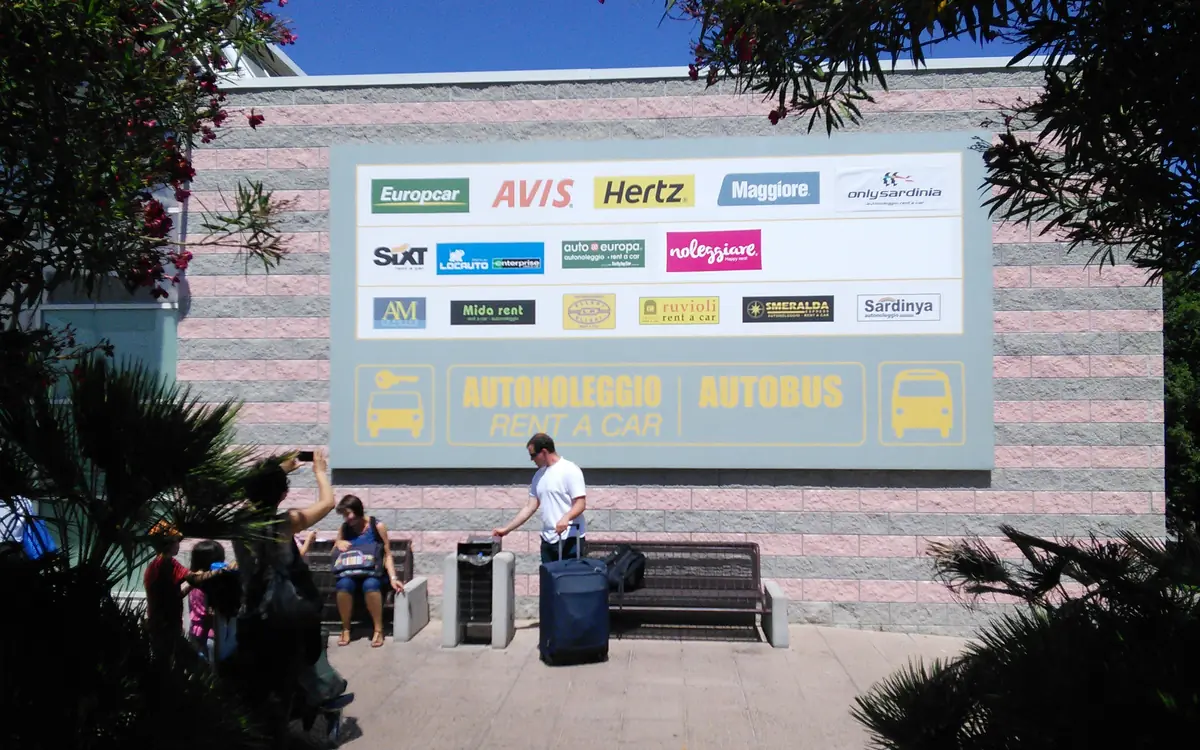
Big international, Greek or broker?
🌍 International (Sixt, Avis, Hertz, Europcar, Enterprise)
Desk inside the airport, newer fleet, clear terms, 24-hour roadside assistance. Usually 10–30% more expensive, with a larger deposit if you don't take full insurance.
🇬🇷 Greek (Auto-Union, Avance, Drive, Caravel etc.)
Good prices, often full insurance with no deposit included in the package, more "human" service. Check the fleet age and whether the office is off-airport (shuttle = +20 minutes).
🔎 Brokers (Discover Cars, Rentalcars, Kayak)
Useful for comparing. Careful: the broker's "full insurance" is a refund after the fact — at the desk they will still block the full deposit on your card.
🏷️ The ultra-cheap ones (Goldcar, Green Motion, Carwiz)
The €5–9 a day prices you see on search engines. Their profit is made at the desk: pressure to buy insurance at €20–30/day, prepaid fuel, big deposits. Read the reviews before you book.
💶 Prices by category and season
Rental prices in Athens behave like airline tickets: they depend on the season, how early you book and the duration. In September 2026 the average airport price was about €33 per day and €195 per week, with the cheapest mini from €7 (off-season offer, no insurance) up to €95 for a large pickup. The table gives realistic prices with basic insurance (CDW) and unlimited mileage, for a booking made 2–4 weeks ahead:
| Category (example) | ❄️ Low Nov–Mar | 🌸 Mid Apr–May, Oct | ☀️ High Jun–Sep | Week (high) | |
|---|---|---|---|---|---|
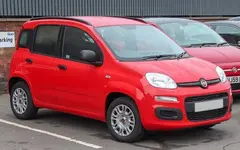 | Mini Fiat Panda, Toyota Aygo, Kia Picanto | €15–25 | €22–35 | €35–55 | €220–330 |
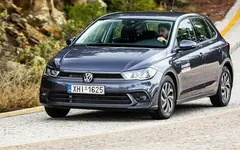 | Economy VW Polo, Opel Corsa, Peugeot 208 | €18–30 | €25–40 | €40–65 | €260–400 |
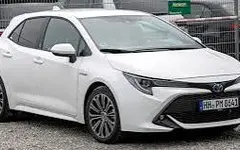 | Compact VW Golf, Toyota Corolla, Seat Leon | €22–35 | €30–50 | €50–80 | €320–500 |
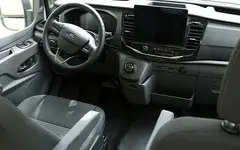 | Compact automatic | €30–45 | €40–60 | €60–95 | €400–600 |
 | Small SUV Nissan Juke, VW T-Cross, Dacia Duster | €30–50 | €45–70 | €70–120 | €450–750 |
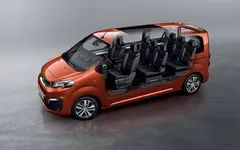 | 7–9 seat van Citroën Spacetourer, VW Caravelle | €55–90 | €80–120 | €120–200 | €800–1,300 |
 | Cabrio / Premium Mini Cabrio, BMW 3, Mercedes C | €50–80 | €70–110 | €110–180 | €700–1,200 |
Indicative 2026 prices per day, based on published rates from Sixt, Avis, Hertz, Europcar and comparison engines for pick-up at Athens airport. Greek companies are often 10–20% lower. Pick-up in the centre is €5–10 a day cheaper (no airport surcharge) but with less availability.
What gets added to the price (extras)
| Extra | Indicative cost | Kathy's comment |
|---|---|---|
| Full insurance (SCDW / zero excess) | €8–20/day big companies up to €25–30 | Almost always worth it — see below why. |
| Additional driver | €4–8/day often free for a spouse | On long routes (Meteora, Peloponnese) it helps a lot. |
| Driver aged 21–24 | €5–15/day | Also applies to the additional driver. Some companies won't give SUV/premium to under-25s. |
| Child seat / booster | €5–8/day often capped at €50–70 | Mandatory for children under 135 cm. Book it together with the car. |
| GPS | €5–8/day | You don't need it: offline Google Maps and a phone mount are enough. |
| Drop-off at a different location (one-way within Greece) | €30–120 | E.g. pick up Athens – return Thessaloniki. Airport↔centre is free with many companies. |
| Out-of-hours pick-up | €20–50 | Prefer a company with a 24-hour desk if you land late. |
| Ferry permission | €0–30 + written approval | Without approval the insurance is void on the ferry and on the island. |
| Snow chains (winter, mountains) | €5–10/day | Essential December–March for Arachova, Parnassos, Metsovo. |
Real-cost example: 3-day Peloponnese trip in June, 2 people
Economy manual 3 × €45 = €135 · full insurance 3 × €12 = €36 · tolls Athens–Nafplio–Monemvasia–Athens ≈ €25 · petrol for ~650 km ≈ €65 · parking in Nafplio 2 nights ≈ €10. Total ≈ €270 for two people, i.e. ~€45 each per day. With organised tours you'd pay €90–120 per person per day.
🛡️ Insurance, excess and deposit — what they really mean
This is where most mistakes happen. In Greece every rental compulsorily includes third-party liability. For the car itself, however, the following applies:
| Term | What it means | What you pay in case of damage |
|---|---|---|
| CDW Collision Damage Waiver | Basic damage cover, usually included in the price. | The excess: €600–1,500 for mini/economy, €1,500–3,000 for SUV/premium. |
| TP Theft Protection | Theft cover with an excess. | Excess similar to the CDW. |
| SCDW / FDW / Zero Excess | Full insurance: removes or reduces the excess to €0–150. | €0–150. Usually does not cover tyres, glass, underbody, mirrors, keys — ask whether a "WUG"/"Premium" package exists. |
| WUG Wheels, Underbody, Glass | Additional cover for tyres, underbody, glass. | Useful for dirt tracks to beaches and mountain roads. |
| PAI Personal Accident | Personal insurance for driver/passengers. | Unnecessary if you have travel insurance. |
| Deposit | Amount blocked on the driver's credit card. | Equal to the excess + fuel: €300–1,500 with basic, €0–300 with full insurance. Released within 5–15 days. |
Credit-card or broker insurance does NOT save you the deposit
If you buy the "full insurance" from Discover Cars/Rentalcars or rely on your card's cover, the desk will still block the full excess (e.g. €1,200). In case of damage you pay the rental company first and then claim a refund with paperwork. It works, but it needs patience and an available limit on your card. For a stress-free trip, full insurance from the rental company itself is the simplest solution.
📄 Documents, age and card — what you must have with you
🪪 Driving licence
Valid, held for at least 1 year (some companies 2–3 years for premium). EU/EEA licences are accepted as they are. For the USA, Canada, Australia, UK, Asia etc. most companies require an International Driving Permit (IDP) alongside your national licence — get it before you leave, it is not issued in Greece.
🎂 Age
Minimum 21 with most companies (Avis/Budget often 23), with a young-driver fee up to 25. Upper limit of 70–75 with some companies or an extra senior fee. Ask before you pay.
💳 Credit card
In the main driver's name, with enough available limit for the deposit. Few companies accept debit cards, and only with full insurance. Prepaid cards (Revolut, Wise) are often rejected for the deposit — have a backup.
🛂 ID / passport
Original, not a photo. Always keep the licence, ID and the rental contract in the car — the traffic police ask for them at checks.
🛣️ Tolls and fuel — how much to budget
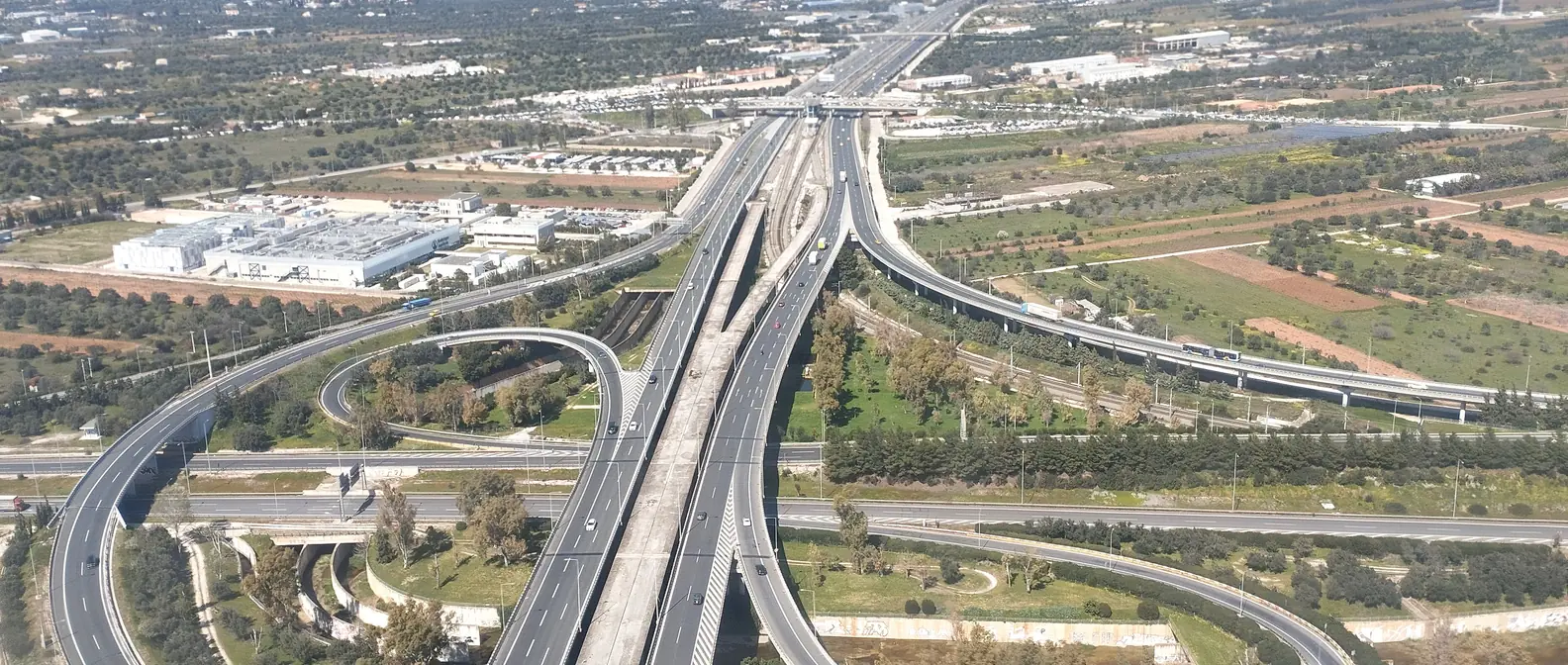
Greek motorways are modern and safe, but they have tolls at regular intervals. You pay by cash or card in a lane with an attendant (the e-PASS lanes are for subscribers only — don't enter one by mistake). Attiki Odos, which links the airport to the city, has a flat charge per entry regardless of distance.
| Route (from Athens) | Distance | Time | Tolls (one way) | Petrol (small car) |
|---|---|---|---|---|
| Airport → centre (Attiki Odos) | 35 km | 35–50′ | ~€2.80 | ~€4 |
| Sounio (coastal road) | 70 km | 1h 20′ | €0 | ~€8 |
| Corinth / Canal | 85 km | 1h 10′ | ~€6–7 | ~€9 |
| Nafplio | 145 km | 2h | ~€10–12 | ~€16 |
| Delphi (via Thebes) | 180 km | 2h 30′ | ~€5–7 | ~€20 |
| Patras (Olympia Odos) | 215 km | 2h 30′ | ~€15–17 | ~€24 |
| Kalamata | 240 km | 2h 45′ | ~€18–20 | ~€27 |
| Meteora / Kalambaka | 350 km | 4h | ~€20–24 | ~€39 |
| Thessaloniki | 500 km | 5h | ~€30–35 | ~€55 |
Indicative 2026 amounts for a passenger car (category 2). Petrol at €1.85/litre and consumption of 6 l/100 km. Google Maps now shows a toll estimate per route — enable it in the settings.
Fuel: what applies
- 2026 prices: unleaded 95 around €1.75–1.95/litre, diesel €1.55–1.75. On the islands and on motorways +10–15%. In Athens the stations on Patission, Acharnon and Syngrou are among the cheapest.
- "Full-to-full" policy: the only fair one. You take it full, return it full, and keep the receipt from the last fill-up (station near the airport: Spata, Koropi). Avoid "full-to-empty" or "prepaid fuel" — they charge 20–40% above the pump price per litre, with no refund for unused fuel.
- Stations are not self-service. The attendant fills up; you say "full, unleaded" ("jemáto, amólivdi"). Check that the right fuel went in — misfuelling is not covered by any insurance.
- Electric cars: there are now plenty of chargers in Attica (DEI blue, Protergia, Plugshare app), but for the Peloponnese and mountain areas plan your charging stops — it's not Norway yet.
🅿️ The Daktylios ring and parking in Athens
The "Daktylios" — what it is and whether it affects you
The small Daktylios is the central zone (inside Alexandras, Mesogeion, Vas. Sofias, Syngrou, Pireos, Iera Odos, Konstantinoupoleos, Patission/28is Oktovriou) where, from late September to mid-July, on weekdays Monday–Thursday 07:00–20:00 and Friday 07:00–15:00, only odd- or even-numbered plates may circulate depending on the date (odd plates on odd dates). It does not apply in August, at weekends or on public holidays.
- Exempt are electric, plug-in hybrid, natural-gas and newer low-emission vehicles (Euro 6 with low CO₂ emissions) — if you request a hybrid, it most likely won't affect you.
- Rental cars are not automatically exempt. Ask the company whether the specific vehicle can enter the Daktylios freely. The fine is €100 — and it is charged to you afterwards, with admin fees.
- In practice: if you follow the "hybrid" recipe (car only for excursions, pick-up on Syngrou or at the airport) the Daktylios will never concern you.
Parking: what the colours mean
| Marking | What it means | Cost |
|---|---|---|
| ⚪ White line | Controlled visitor parking (Municipality of Athens) | ~€1–2/hour, maximum 3 hours, pay by app or scratch card from a kiosk. Mon–Sat 09:00–21:00. |
| 🔵 Blue line | Residents with permit only | Fine of €40–80 + possible removal of plates. |
| 🟡 Yellow line | No parking / loading / commercial | Fine and tow truck. |
| 🅿️ Private car park | Garages in Syntagma, Plaka, Omonia, Victoria, Pedion Areos | €3–6/hour · €18–35/24h · weekly/monthly deals are cheaper. |
| 🚇 Metro Park & Ride | Doukissis Plakentias, Chalandri, Nomismatokopio, Syngrou-Fix (OASA) | ~€3–5/day with a metro ticket — the best option if you come into the city by car. |
In Plaka, Monastiraki and Koukaki don't look for a street space — there isn't one. Go straight to a garage. Check the vehicle height (many underground garages accept up to 1.90–2.00 m) before entering with a van.
🗺️ The routes that are worth the car
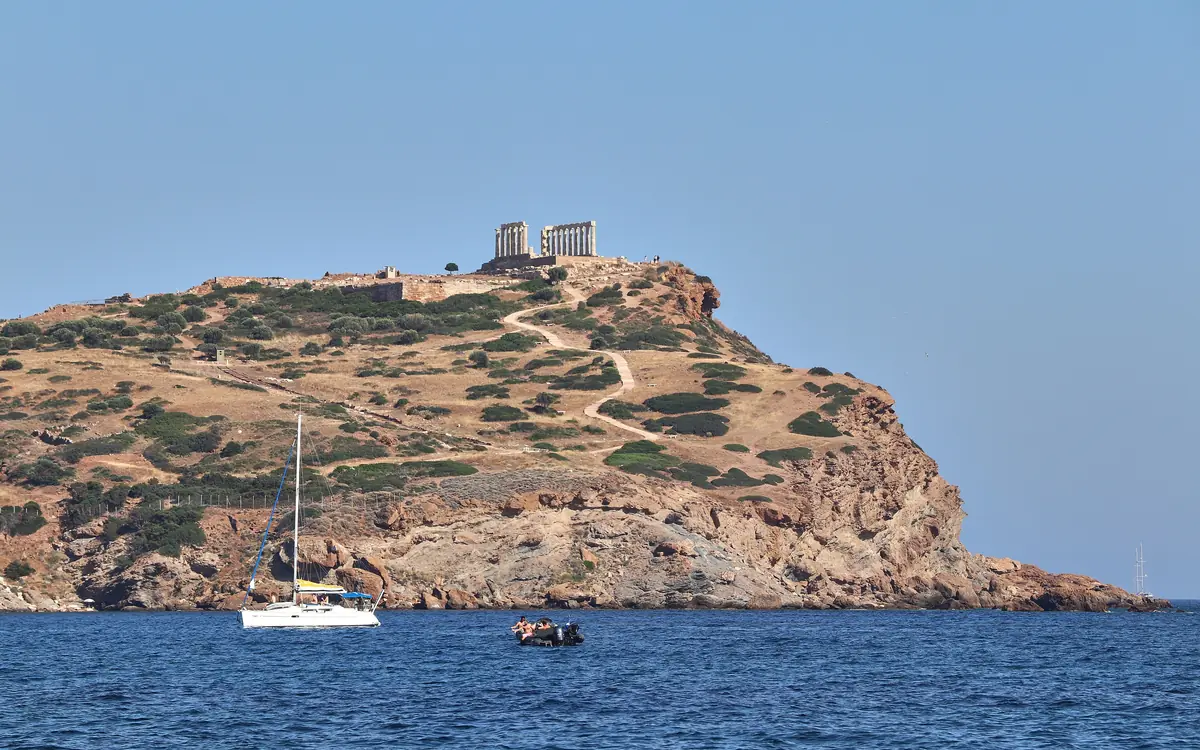
1. Sounio and the Athenian Riviera (1 day)
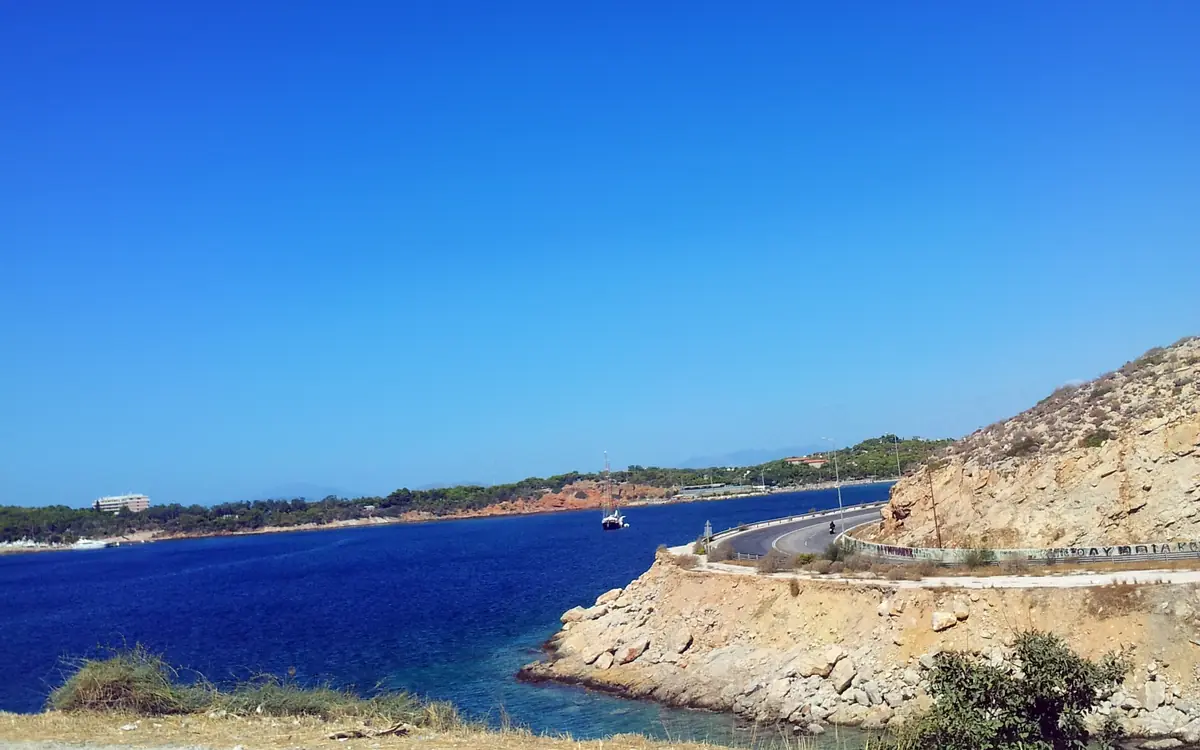
The easiest excursion for your first day with a car: Poseidonos Ave → Vouliagmeni → Varkiza → Lagonisi → Saronida → Sounio. Beach at midday, Temple of Poseidon at sunset (€10 ticket, open until sundown), fish in Legrena or Anavyssos. Return via Lavrio–Markopoulo to see a different route. No bus makes stops like this.
2. Delphi, Arachova and Galaxidi (1–2 days)
Athens → Thebes → Livadeia → Arachova (coffee, mountain village) → Delphi (archaeological site + museum, €12 combined ticket) → Galaxidi for fish by the sea. By bus only the direct Athens–Delphi leg is possible. In winter ask about snow chains — Parnassos gets snow.
3. Peloponnese loop (3–5 days)
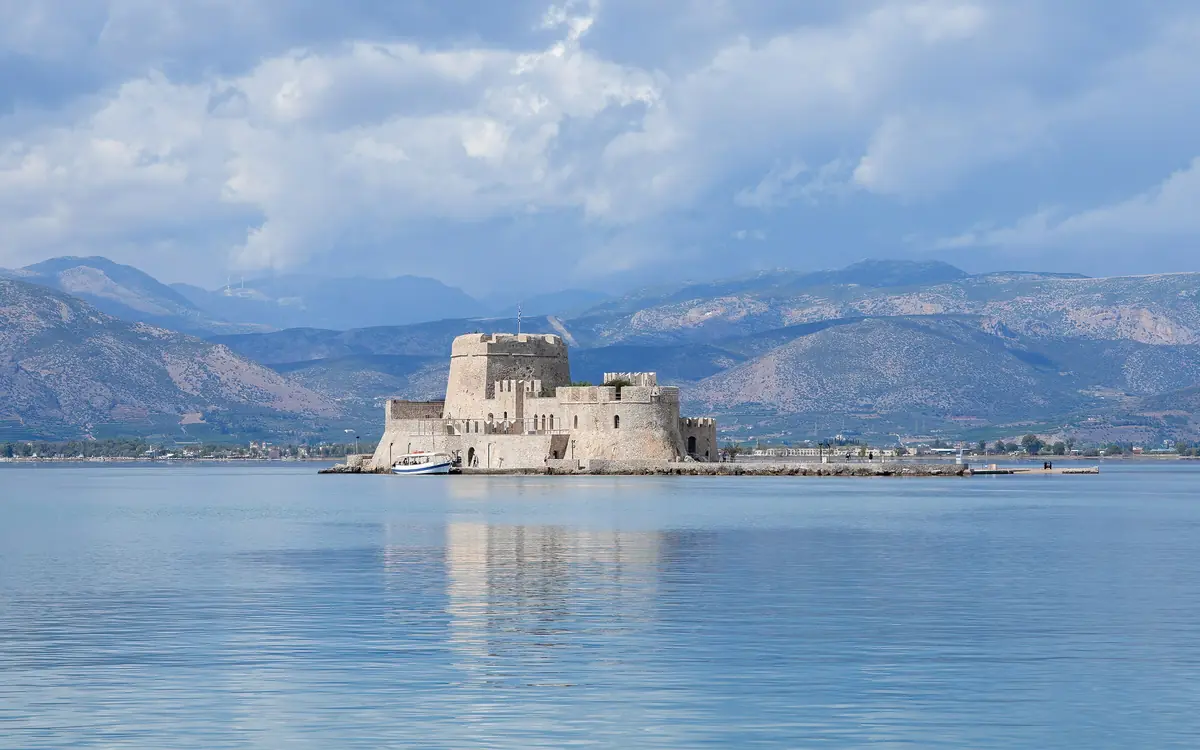
- Day 1: Athens → Corinth Canal (15′ stop) → Ancient Corinth → Mycenae → overnight in Nafplio.
- Day 2: Epidaurus (theatre, performances in summer) → Nafplio (Palamidi, old town).
- Day 3: Nafplio → Monemvasia (2h 30′) → overnight in the castle town.
- Day 4: Mystras → Sparta → back to Athens (3h) or continue to Mani.
The roads are good, but in Mani and the mountains of Arcadia Google's times are optimistic — add 20%.

4. Meteora with Delphi (2–3 days)
Day 1: Athens → Delphi → Kalambaka (afternoon among the rocks at sunset). Day 2: monasteries in the morning (Great Meteoron, Varlaam, Roussanou — €3 ticket each, closed on different days) → return via Lamia or Pelion. The train does the direct Athens–Kalambaka leg in ~5 hours, but combining it with Delphi is only possible by car.
5. Beaches of eastern Attica (½–1 day)
Schinias (pine forest and shallow water — ideal for children), Marathon (tumulus + museum), Mikro Sesi at Grammatiko, Lake Marathon. All 40–50 km from Ioulianou, toll-free if you go via Marathonos Avenue. Avoid returning on Sunday afternoon — traffic towards Athens is heavy.
⛴️ Ferries and islands with a rental car
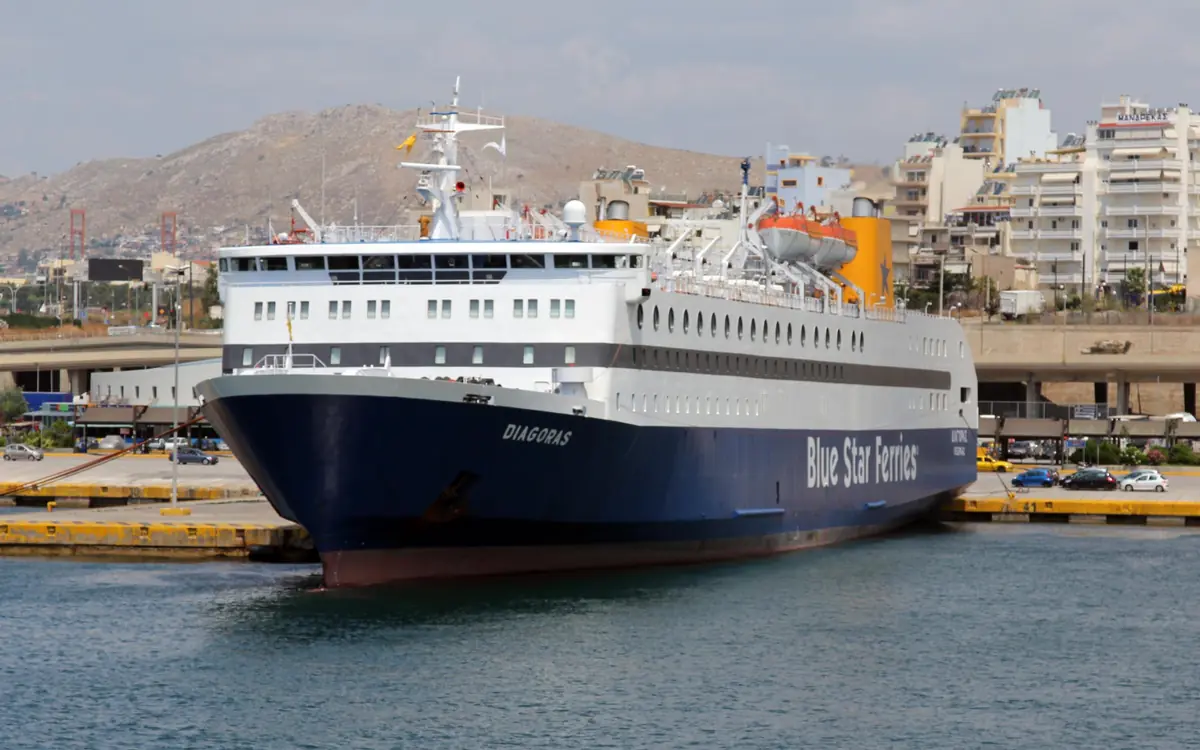
The most common misunderstanding: "I rented in Athens, I'll take it to Naxos". Most companies prohibit taking the car on a ferry or allow it only with written permission and an extra charge — Budget, for instance, states it explicitly in its terms. Without permission, the insurance is void from the moment you drive onto the ramp.
| Route from Piraeus | Car ticket (one way) | What's worth it |
|---|---|---|
| Aegina / Agistri | €25–35 | A day trip with the car makes sense — small island, cheap ticket. |
| Paros / Naxos | €80–110 (conventional) · €130–160 (high-speed) | Renting locally (€25–45/day) works out cheaper than 2 car tickets. |
| Santorini / Mykonos | €100–130 | Rent locally, no second thoughts. Both islands have a parking problem. |
| Crete (Heraklion/Chania) | €90–120 | Only if you're doing a long 10+ day road trip returning to Athens. Otherwise, rent in Crete. |
Indicative 2026 prices for a car up to 4.25 m. Add passenger tickets. Information and tickets from the ferry companies themselves (Blue Star, SeaJets, Hellenic Seaways) or from ferryhopper.
🪤 Pitfalls and pick-up / return checklist
The 8 common pitfalls
- The "€6 price". It includes neither insurance nor the airport surcharge. Always compare with full insurance and the final total.
- Pressure at the desk for an upgrade/insurance. A polite "no thank you, I already have cover" is enough. Have your voucher printed.
- Prepaid fuel. Always "full-to-full".
- Damage "found" at return. Solution: time-stamped photos/video at pick-up.
- Mileage limit. Some cheap companies give 100–200 km/day. For the Peloponnese you want unlimited.
- Fine-handling fees. Daktylios camera, unpaid tolls or parking on a blue line: the fine + €25–50 "admin fee" arrives months later.
- Late return. More than 30–59′ late is charged as a full day. Allow for traffic to the airport (Attiki Odos: 45′ from the centre at peak hours).
- Undeclared additional driver. If they drive and there's damage, no insurance applies.
Pick-up checklist (5 minutes that save hundreds of euros)
- 360° video around the car, zooming in on every scratch, the rims, windscreen, mirrors.
- Photo of the dashboard: mileage + fuel gauge + time.
- Check that every damage is marked on the contract diagram — not just verbally.
- Spare tyre or repair kit, warning triangle, hi-vis vest, fire extinguisher, first-aid kit (mandatory in Greece).
- Child seat properly fitted before you leave the car park.
- 24-hour roadside assistance number saved in your phone.
- Ask: "Can it enter the Daktylios? Is a ferry allowed? Which petrol station is near the return point?"
- On return: ask for written confirmation "no new damage, full tank" and take photos again.
Driving rules that surprise visitors
- Limits: 50 km/h in town, 90 on country roads, 110–130 on motorways (careful, sections with 100 and cameras). Attiki Odos 120 km/h with average-speed cameras.
- Alcohol: 0.5 g/l (0.2 for drivers with less than 2 years' licence). Checks on Friday–Saturday nights are frequent.
- Mobile phone: hands-free only. €350 fine and 30-day licence suspension.
- Roundabouts in Greece: often those entering have priority, not those already on the roundabout — check the STOP signs.
- Scooters overtake from everywhere. Check your mirrors before every lane change.
- Motorway right lane: Greeks often drive on the hard shoulder to let others overtake. You are not obliged to do so.
- Accident: call 112 (or 100 for police) and the company's roadside assistance before moving the vehicle. Without a police report the insurance may refuse to pay.
🏠 Arriving by car at Angel Athens (Ioulianou 50)
What we tell our guests
- Coming from the airport: Attiki Odos → exit 8 (Kifisias) → Alexandras → Patission → Ioulianou. About 40 minutes, €2.80 toll. The traffic arrangements on Patission change — follow the GPS.
- Parking: We don't have a private space. In the Victoria neighbourhood street parking is difficult; there are garages near Pedion tou Areos and on Patission (€18–25/24h). Ask us before you arrive — we'll tell you which one has availability and a deal for multi-day stays.
- Daktylios: 28is Oktovriou (Patission) is the boundary of the ring — our area sits right on its edge. Ask us about your specific block and day.
- The best solution: pick up the car on the day of your excursion from Sixt/Hertz/Avis on Syngrou (10 minutes by metro: Line 1 → Omonia → Line 2 → Akropoli/Syngrou-Fix) and return it the same evening or at the end of your tour. That way you never pay for parking in Athens.
❓ Frequently asked questions
Do I need a car for central Athens?
No. For the Acropolis, Plaka, Syntagma, Monastiraki and the museums, metro, tram and walking are enough. A car is only worth it for excursions outside the city.
How much does it cost to rent a car in Athens?
Indicatively for 2026: small manual car €15–25 a day in winter, €35–55 in July–August, with basic insurance. Automatics and SUVs cost 30–60% more. Weekly rental lowers the daily rate by 15–25%.
Do I need an international driving permit in Greece?
With an EU/EEA licence, no. With a non-EU licence (USA, Canada, Australia, UK, Asia) most companies require an International Driving Permit (IDP) together with your national licence. It's issued in your home country before the trip (e.g. AAA in the USA, Post Office in the UK).
Manual or automatic?
The fleet in Greece is mainly manual and automatics sell out first in summer. If you don't drive manual, book an automatic 1–2 months ahead and confirm the booking is "guaranteed automatic", not "or similar".
Can I pay with a debit card?
Most companies require a credit card in the driver's name for the deposit. Some (mainly Greek) accept debit cards with full insurance. Ask before booking — at the desk, without the right card, you won't get a car.
Does the Daktylios ring apply to rental cars?
Yes, rental cars are not automatically exempt. Electric, hybrid and newer low-emission vehicles are exempt. Ask the company what applies to the specific vehicle.
Can I take the rental car on a ferry to an island?
Only with the company's written permission. Without it the insurance is void. For the Cyclades it's almost always better to rent separately on the island.
Can I leave Greece (Albania, North Macedonia, Bulgaria, Turkey)?
As a rule, no; a few companies allow it for EU countries (Bulgaria) with a green card and an extra charge. For Albania, North Macedonia and Turkey almost none.
What happens if I get a ticket or fine?
Camera fines or parking tickets reach the company, which charges them to your card together with a €25–50 admin fee — often 2–6 months later. If the traffic police stop you, the fine is paid at a tax office/post office or online with a 50% discount within 10 days.
What do I do in case of a breakdown or accident?
Safety first: hi-vis vest, triangle, everyone off the road. Call 112 if anyone is injured, then the company's 24-hour roadside assistance (written on the contract). Don't accept a "private agreement" without a police report if another vehicle is involved. See also our guide to emergency numbers.
Is it better to rent from the airport or the centre?
Airport: bigger fleet, 24-hour desks, +€5–10/day surcharge, but you set off directly on your excursion without entering the city. Centre: cheaper, convenient for the "hybrid" solution, but offices close at 20:00–21:00 and have fewer automatics.
How early should I book?
For July–August 4–8 weeks ahead, especially for an automatic, SUV or van. For the rest of the year 1–2 weeks is enough. Bookings with free cancellation let you rebook if you spot a cheaper price.
Sources:
- Sixt Greece — Athens, airport and Syngrou
- Avis Greece · Hertz Greece (Autohellas) · Europcar Greece · Enterprise Greece · Budget Greece
- Athens Airport Guide — rental desks in arrivals
- Attiki Odos — toll system and rates
- Ministry of Infrastructure and Transport — Highway Code, Daktylios
- Municipality of Athens — controlled parking
Photos: Wikimedia Commons — Gepsimos (CC0, Attiki Odos/airport); AleWi (CC BY-SA 4.0, Athens airport); Denis Barthel (CC BY-SA 4.0, company sign); George E. Koronaios (CC0, Sounio); panoramio/Sounion 09 2013 (CC BY-SA 3.0); Giles Laurent (CC BY-SA 4.0, Nafplio); Falk2 (CC BY-SA 4.0, Meteora); Flickr/"Diagoras" Blue Star Ferries (CC BY-SA 2.0). Images are available under their respective Creative Commons licences.
— Kathy