The shape of Greek religion
Greek religion was polytheistic, ritual-centred, and strongly local. Greeks across the Mediterranean recognised a common pantheon, Zeus, Athena, Apollo, and the other Olympians, but each city honoured different combinations of gods and cults. Athens had Athena Polias as its protectress, Argos had Hera, Olympia had Zeus. There was no clergy setting theology, no creed, and no conversion in the modern sense. What mattered more was the act than inner certainty. The ritual had to be done correctly; private belief remained more fluid.
Public cults belonged to the city. Priesthoods were public offices, sometimes hereditary and sometimes elective. The same citizen who sat on a court or held office could also serve in a priestly role. Festivals, theatre, athletic games, oaths, and treaties all passed through religious ritual. Politics and cult were not two separate worlds.
Everyday worship
Hearth fire
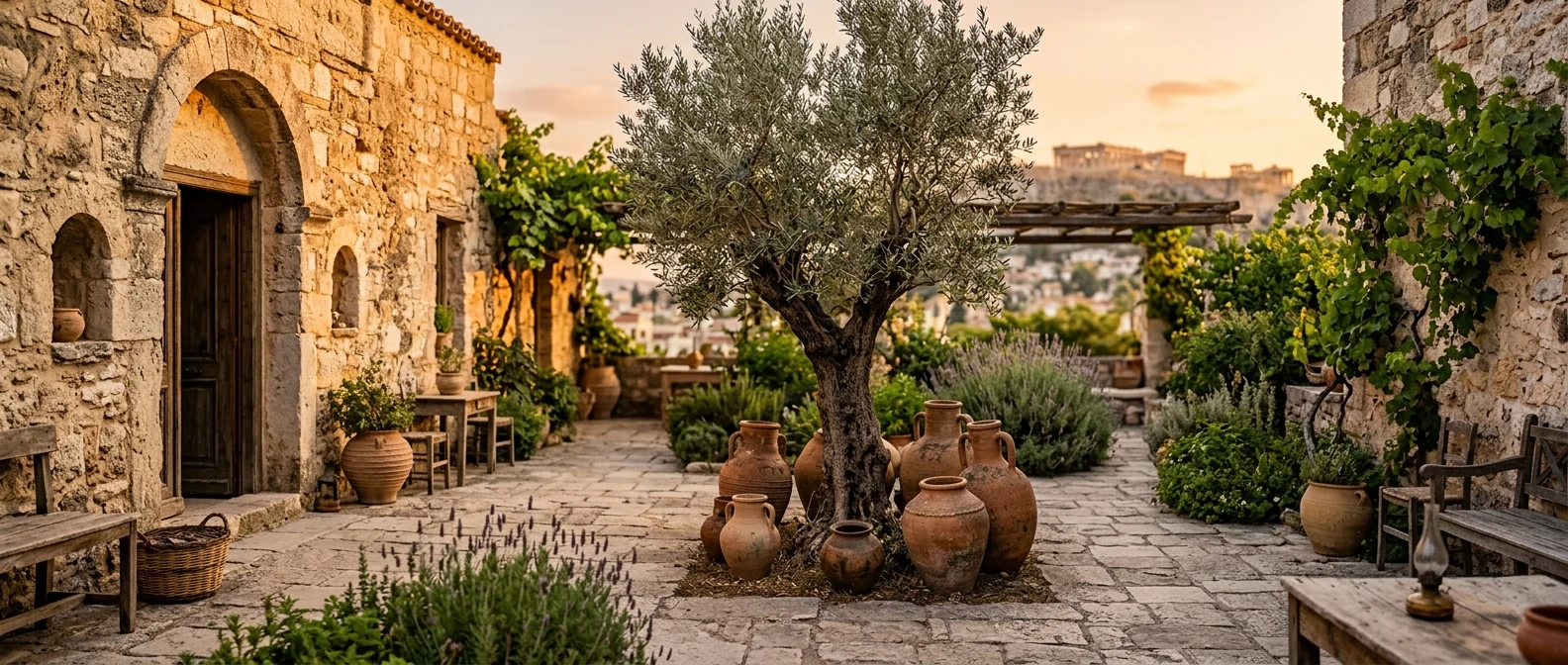
Every house had a central fire dedicated to Hestia. Small libations and food offerings were made there. It was the most regular form of household worship.
Door and courtyard altars
Small altars stood at the entrance for Apollo Agyieus, guardian of the street, and in the courtyard for Zeus Herkeios.
Libations
A little wine was poured onto the ground or the altar before drinking. The gesture honoured gods, heroes, and ancestors, especially before a meal or symposium.
Wayside shrines
Small altars and statues stood at crossroads, springs, and boundary points. Offerings could include flowers, oil, and food.
Animal sacrifice
The thysía
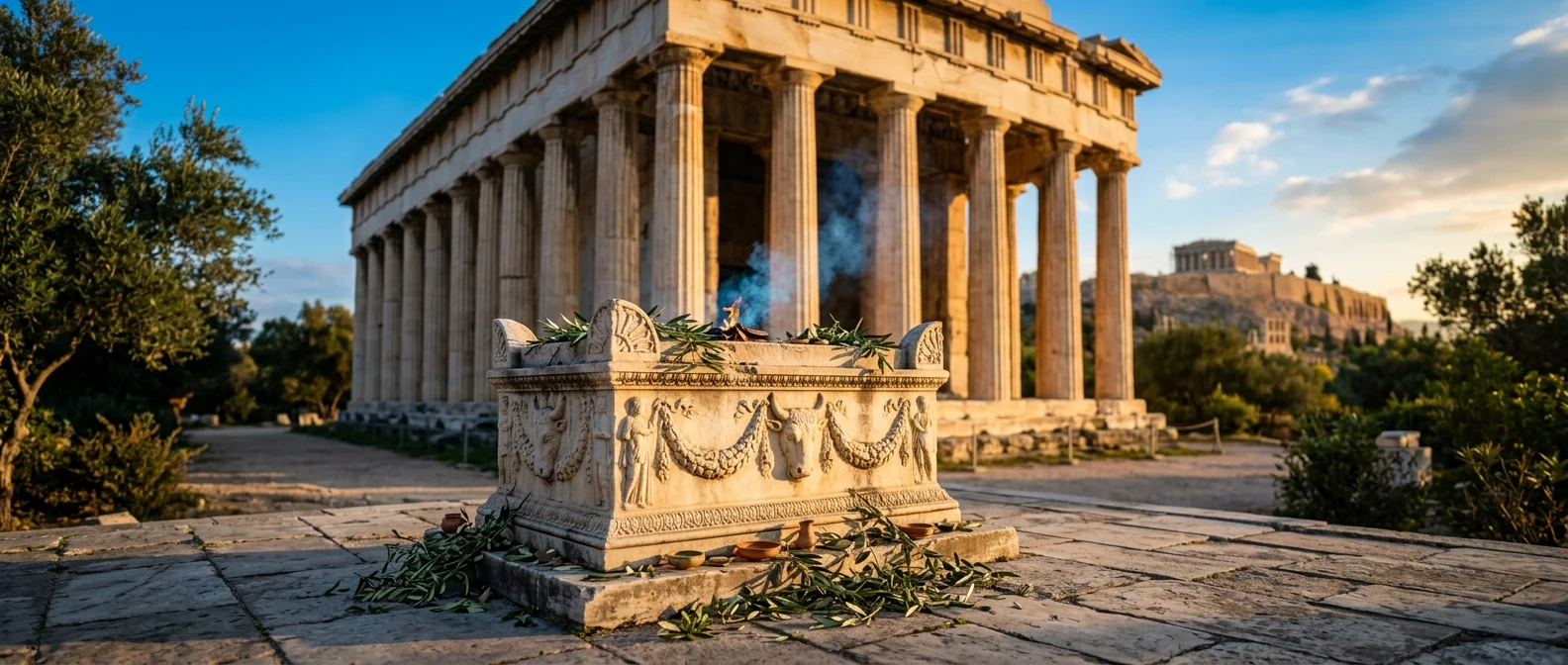
Sacrifice was the most visible public religious act. The animal, a sheep, goat, pig, or on larger occasions an ox, was led in procession to the altar. Prayers and sprinkling came first, then the killing. The bones and fat were burned for the gods, and the meat was shared and eaten by the participants. A festival was therefore both a ritual and a public meal, as meat was not an everyday certainty in the Athenian diet.
The Athenian festival calendar
Athens had around 120 festival days a year, and some scholars count even more. More than a third of the year touched some ceremony, procession, or public cult. The best-known festivals included these:
- Panathenaia (July-August): the festival of Athena. The Greater Panathenaia took place every four years and the Lesser every year. A procession went from the Kerameikos to the Acropolis carrying a new peplos for the goddess, together with athletic and musical contests.
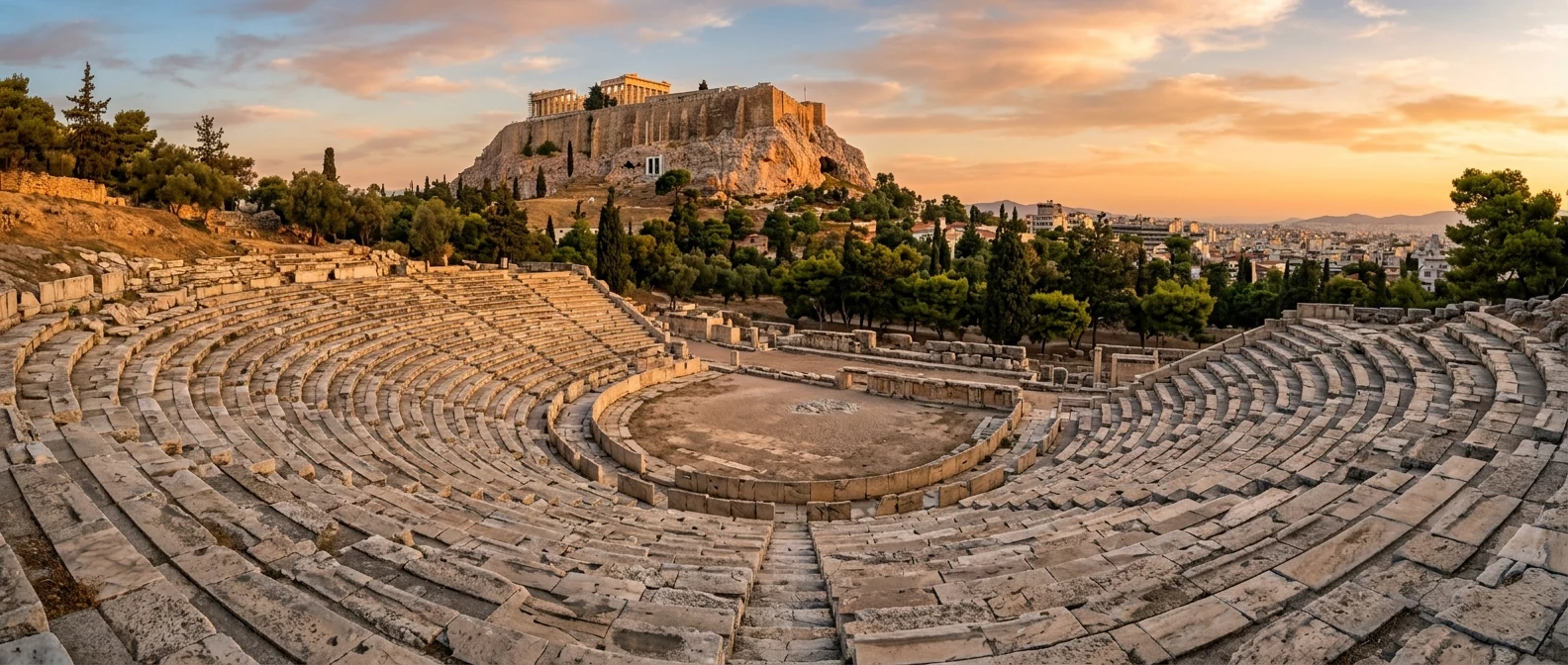
- City Dionysia (March-April): the theatrical festival of Dionysus, with competitions in tragedy and comedy. Aeschylus, Sophocles, Euripides, and Aristophanes first appeared here.
- Eleusinian Mysteries (September): secret initiation rites at Eleusis in honour of Demeter and Persephone. They were open to men, women, and enslaved people who spoke Greek and had not committed murder. The initiates swore silence, so the central content still remains unknown.
- Thesmophoria (October): a women-only festival for Demeter, with three days of fasting and ritual.
- Anthesteria (February): a three-day festival of Dionysus marking the opening of the new wine and linked with the presence of the dead.
- Apatouria (October-November): phratry (kinship-group) festival. Boys formally enrolled.
- Diasia (February-March): festival of Zeus Meilichios.
- Heraia, Adonia, Lenaea, and many others.
Temples in practice
- Houses of the gods, not churches: the temple held the cult statue and dedications. Worshippers gathered at the altar outside, not inside the building.
- Treasuries and storehouses: temples also guarded civic wealth. The Parthenon, for example, held tribute from the Delian League. Religion and finance overlapped.
- Cult statue: this was the visual centre. Phidias' gold-and-ivory Athena Parthenos stood about 12 metres high and is now lost.
- Limited interior access: priests and specific ceremonies could enter, but public worship happened at the altar.
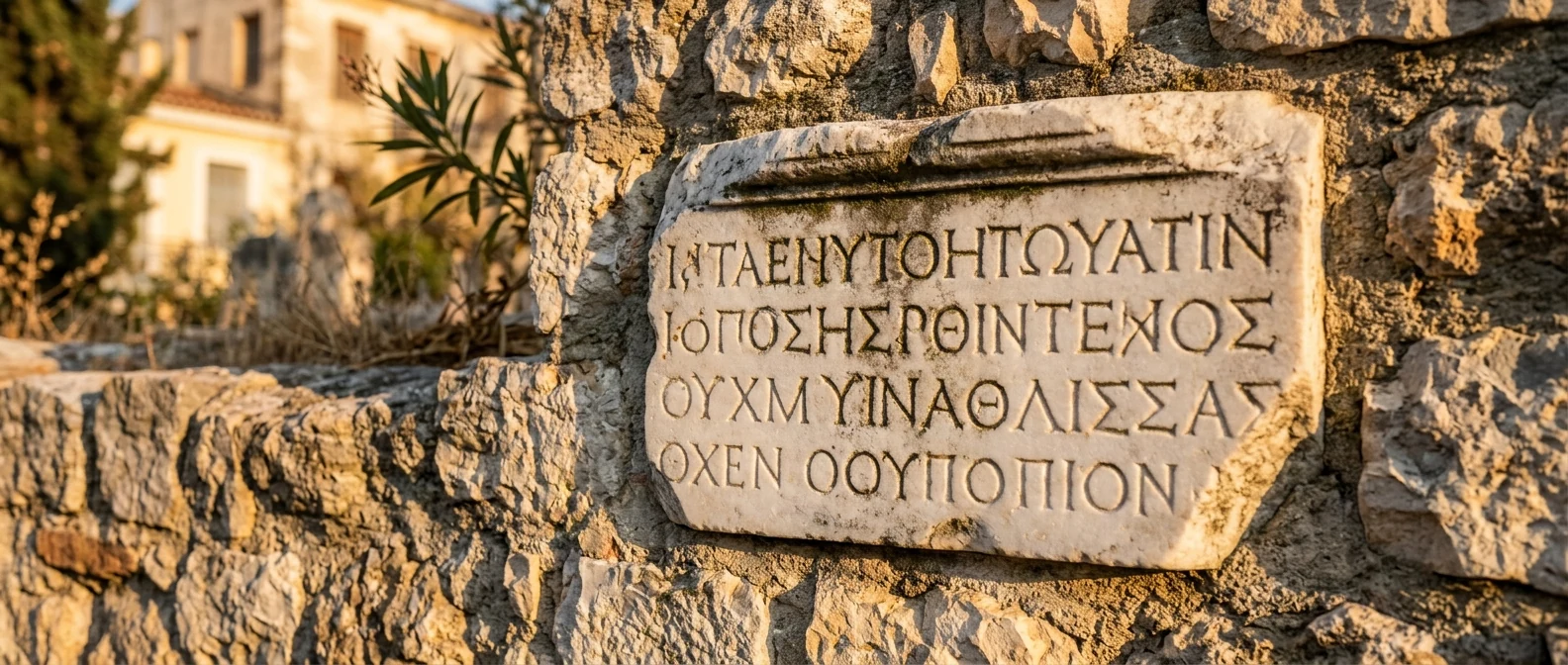
- Dedications: temples accumulated offerings such as statuettes, weapons, and inscribed plaques over centuries.
Oracles and divination
- Delphi: the Pythia, priestess of Apollo, delivered oracles. Cities and individuals consulted her before major decisions. See our Pythia article.
- Dodona — oldest oracle, of Zeus. Priests interpreted rustling oak leaves.
- Bird signs: a standard form of divination. The direction and movement of birds could be read as signs.
- Sacrificial omens: the entrails of the animal (splanchnomanteia) could be examined before battle or major decisions.
- Dreams: dreams carried religious meaning and were sometimes deliberately sought in sanctuaries such as the Asklepieia.
At a glance
~120 festivals/yr
The Athenian festival calendar was full. More than a third of the days in the year carried some observance.
No holy book
There was no central scripture. Homer and Hesiod worked more as cultural reference points.
Sacrifice = community meal
Religion and meat consumption overlapped. Sacrifice also fed the city.
Eleusinian Mysteries
A tradition lasting around 1,500 years, open to Greek speakers, with its central content kept secret.
Death and the afterlife
- Hades: a shadowy underworld. Most souls became weakened, unhappy shades. It was not necessarily punishment, but a reduced form of existence.
- Heroes: a few exceptional souls, such as Heracles and in some versions Achilles, could join the gods.
- Initiates of Eleusis: they were promised a better afterlife. Mystery cults such as Eleusis, Orphism, and Dionysiac worship offered hope of personal salvation.
- Funeral rites: these mattered greatly. A soul left unburied could not cross properly into Hades, which is why Antigone's defiance of Creon mattered so much.
- Coin in the mouth: payment for Charon, the ferryman of the Acheron.
- Ancestor cult: regular offerings were made at the family tomb.
Household gods and everyday devotion
- Hestia: hearth goddess; daily devotion at central fire.
- Zeus Herkeios: courtyard protector.
- Apollo Agyieus: guardian of the street and the doorway.
- Hermes: linked with thresholds and travel; small herm pillars could stand by the door.
- Hekate: at crossroads; offerings on day 30 of moon-month.
- Good spirit or fortune of the household: protective powers attached to the home.
Miasma and purification
- Miasma: religious pollution caused by bloodshed, contact with a corpse, childbirth, or sexual matters.
- Purification (katharmos): ritual cleansing through water, sacrifice, and time.
- Public responsibility: a polluted person could affect the whole community. Murderers might be exiled, and cities underwent purification after plague.
- Sacred space: temples and sanctuaries had purification basins (perirrhanteria) at the entrance.
- Childbirth pollution: the woman and the household could be considered ritually polluted for a period and then cleansed.
Religion and skepticism
Belief was complicated
Greeks could joke about the gods on stage. In Aristophanes' Frogs, Dionysus is mocked without mercy. Philosophers questioned myths, and Xenophanes ridiculed anthropomorphic gods around 500 BCE. Educated elites could hold different private views. Yet the rituals continued and the oaths were still sworn in the gods' names. Private doubt could be tolerated; refusal of public cult was another matter. The condemnation of Socrates in 399 BCE for "introducing new gods" and corrupting the young shows how political a religious charge could become.
Mystery cults and personal salvation
- Eleusis: Demeter and Persephone. Annual initiation, with the promise of a better afterlife.
- Orphism: linked to the myth of Orpheus, with ideas of vegetarianism, reincarnation, and purification of the soul.
- Dionysiac cult: ecstatic worship of Dionysus. The sources speak of intense rites and women's thiasoi, though the reality behind those accounts is not always easy to separate.
- Samothrace: cult of the Great Gods. Sailors' protection.
- Egyptian imports (Hellenistic period): the cult of Isis spread through the Greek world.
What held the city together
- Civic identity: festivals defined who belonged to Athens.
- Calendar and time: the religious calendar regulated public and private life.
- Community meals: sacrifices fed citizens; festivals gave structure.
- Oaths: contracts and treaties were sworn in the gods' names. Religion supported trust and law.
- Art and theatre: religion fed most artistic and theatrical production.
- Politics: religious offices were political; oracles consulted on state decisions.
Where it still appears in Athens today
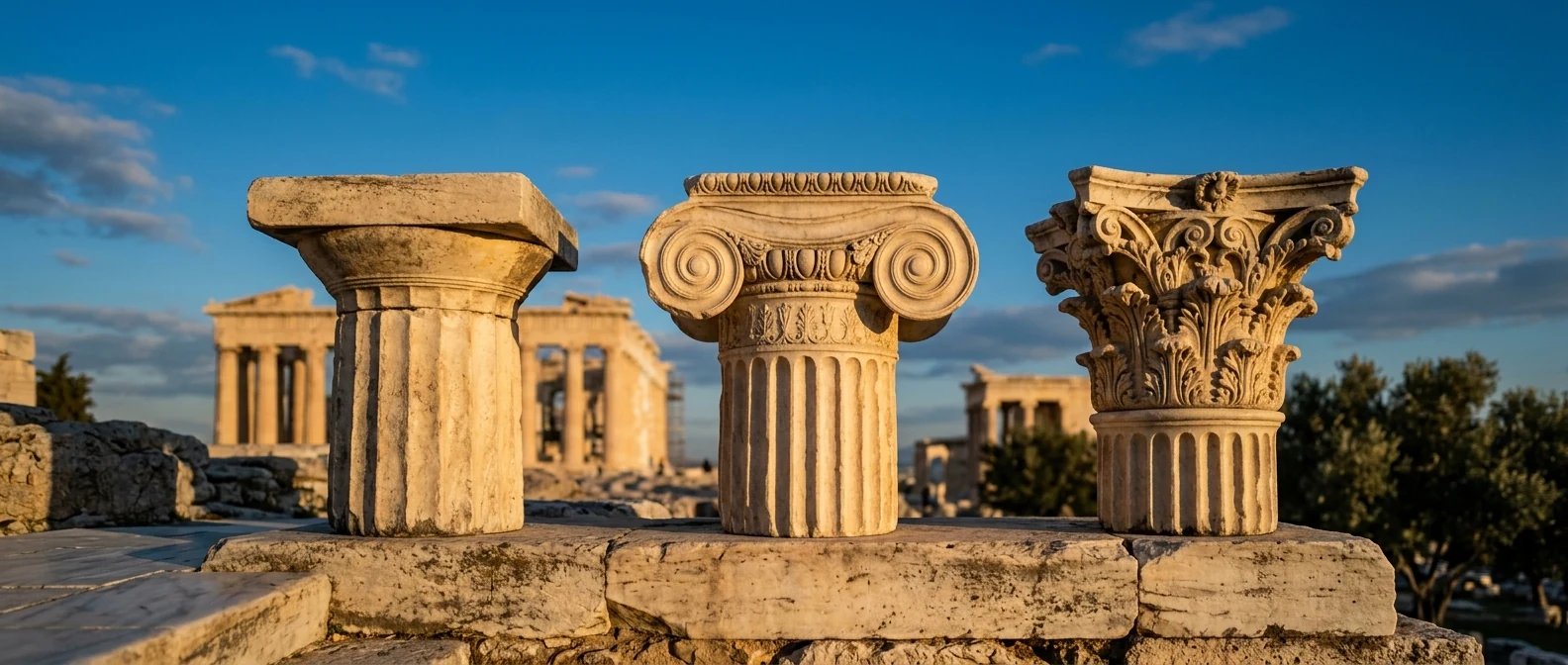
- Acropolis: Parthenon was Athena's temple. Erechtheion housed multiple cults.
- Ancient Agora: the Temple of Hephaestus, altars, and sacred boundary markers.
- Eleusis (Elefsina): about 30 km west of Athens, the site of the Mysteries and now an archaeological park.
- National Archaeological Museum: votives, cult statues, ritual vessels.
- Acropolis Museum: Erechtheion Caryatids, Parthenon frieze.
FAQ
Did Greeks really believe their myths?
Many did, in some sense, while others doubted. Myth was not dogma; it was part of culture. Performing the rituals mattered more than literal belief.
Were temples for daily prayer?
No. Daily worship took place at home and at neighbourhood altars. Temples were used for festivals and special rites, usually at the outside altar.
How important were the Eleusinian Mysteries?
Very important. They lasted for around 1,500 years, and even Roman emperors were initiated. They offered hope of a personal afterlife in a religion that was otherwise restrained on that point.
Were women excluded?
From some rituals, yes. In others, such as the Thesmophoria, the Eleusinian Mysteries, and women's processions, they participated fully. Women could also hold important priestly roles.
What about atheism?
Some philosophers, such as Diagoras and Theodorus, were called atheoi. It was not safe to proclaim such views openly. Practical religion remained a civic obligation.
How did Christianity replace Greek religion?
It was a slow process from the 1st to the 6th century CE. Constantine's conversion in 312 CE changed the direction of the state. Theodosius banned public sacrifice in 391 CE. The Eleusinian Mysteries ended in 396 CE, though some local cults survived into the 6th century.
Sources:
— Kathy