Monastiraki in one paragraph
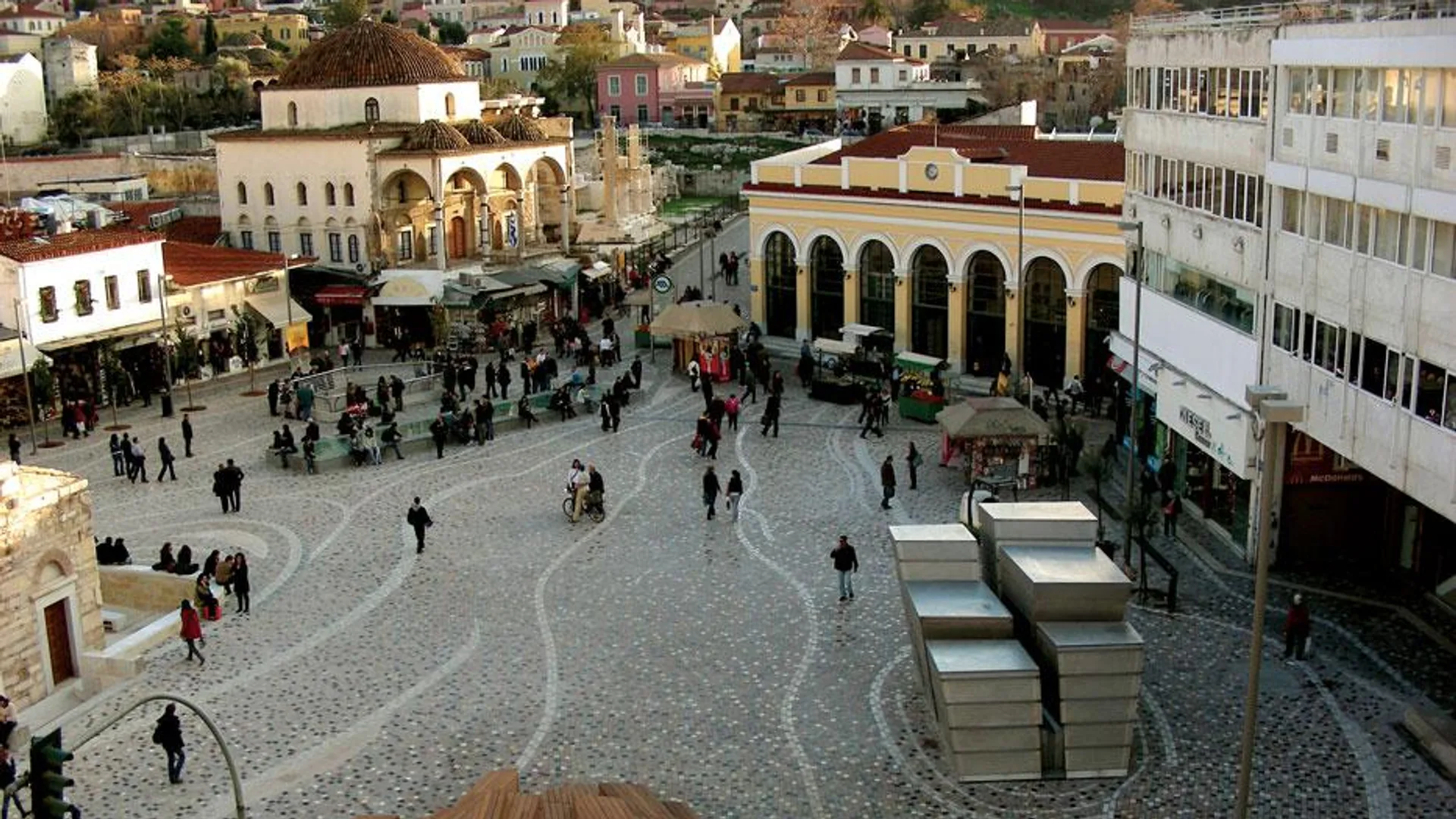
Monastiraki sits in the centre of Athens, with Plaka to the south-east, Psyri to the north, the Ancient Agora to the west, and Syntagma to the east. Its name means "little monastery" and is connected with the Byzantine church of Pantanassa in the square. The market area spreads from the metro station toward Ifestou Street and Avissinias Square, while Pandrosou leads toward Plaka with shops selling souvenirs, leather goods, and smaller gifts. It is an area with heavy movement, many shops, and a lot of tourist pressure, but it remains one of the easiest places to understand how the old markets of Athens connect with the present city.
📍 Monastiráki in one paragraph
Five eras around the square
Monastiráki (Μοναστηράκι) sits at the centre of central Athens — bounded by Plaka to the south-east, Psyrrí to the north, the Ancient Agora to the west, and Sýntagma to the east. The name means "little monastery," after the small Byzantine Pantánassa church standing in the square. Monastiráki is Athens' market neighbourhood — the modern flea market spreads from the metro station west through Ifaístou Street to Avissinías Square, joined by tourist-souvenir shopping on Pandrossou Street running into Plaka. It's one of the busiest, most photogenic, and most chaotic places in the city.
Layers of Athens in a few steps
Around Monastiraki Square you can see different periods of the city without needing a long walk:
📍 From Angels Athens to Monastiraki
See at a glance how to get from the apartment at Iouliánou 50 to the heart of the neighborhood. Drag the map and zoom for detail.
The market: what you will find
Ifaístou Street
The main market street running west. You will see leather goods, older books, vintage clothing, vinyl records, brass objects, and souvenirs. Better pieces, reproductions, and clearly tourist items all mix together, so look carefully before buying.
Pandrossou Street
A souvenir street leading toward Plaka. You will find sandals, evil-eye charms, olive-wood items, magnets, postcards, and many mass-produced gifts. For larger purchases, some shops will accept a small negotiation.
Plateía Avissinías
The Sunday market is the square's best-known moment. Antiques, older furniture, smaller objects, and collectables appear mostly in the morning. On other days there is still activity, but more limited.
Adrianoú Street
A pedestrian street with cafes and restaurants leading toward Plaka. Outdoor tables and proximity to the archaeological sites push prices higher, so look at the menu before sitting down.
Athinás Street (north)
Farther north, the Central Market is an easy walk away. The atmosphere changes completely there: fish, meat, spices, and a more everyday commercial rhythm.
Ermou Street (east)
A pedestrian shopping street with chains, Greek brands, and steady commercial movement all the way to Syntagma.
What to buy carefully
- Leather sandals: there are older sandal makers in the area, but also many mass-produced products. Ask whether they are handmade and check the quality of the leather.
- Worry beads: amber, horn, wood, and semi-precious stones vary a lot in feel and price. Specialised shops will usually explain the material more clearly.
- Olive-wood items: bowls, spoons, and boards make practical gifts, as long as the wood is dense, well sanded, and free from major cracks.
- Silver jewellery: look for a material mark and, when possible, a workshop mark. Prices change a lot depending on the weight and the work.
- Mastic from Chios: sweets, liqueurs, and cosmetics are sold in specialised shops, usually with more consistent quality than souvenir stands.
- Olive oil and honey: prefer specialised shops and check the label, the producer, and the date. If you travel with hand luggage, check the liquid restrictions first.
The historical sites people often walk past
Pantánassa Church
A small Byzantine church, probably from the 10th or 11th century, in the centre of the square. The visit is brief and requires respect, especially if a service is taking place.
Tzistarakis Mosque
An Ottoman mosque from 1759, now without its minaret. It is linked with the Museum of Modern Greek Culture and at times hosts collections or exhibitions. Check whether it is open before planning around it.
Hadrian's Library
A Roman complex from the 2nd century CE, visible to a large extent from the square area. Tickets and opening hours change by season. See the Hadrian's Library guide.
Ancient Agora + Temple of Hephaestus
About five minutes west of Ifestou lies the Ancient Agora, the political and commercial centre of classical Athens. See the Ancient Agora guide.
Food in Monastiraki
- Souvlaki and gyros: around the square you will find well-known places such as Thanasis, Bairaktaris, and Savvas. They are touristy, but fast and convenient. See also the Athens souvlaki guide.
- Rooftops with Acropolis view: 360 Cocktail Bar, A for Athens, and Couleur Locale are popular choices. You mainly pay for the view and the location, so look at the menu first.
- Modern Greek cooking: in side streets there are more careful restaurants, with prices that rise in the evenings and on weekends. A reservation helps.
- Tavernas on Adrianou: quality varies. Do not sit down for the view alone; check prices and menu first.
- Late at night: some bakeries and gyros shops stay open late, but hours change by season and day.
Photography from Monastiraki
The classic shot
Pantanassa, the Acropolis, and the Tzistarakis Mosque in one frame. Try from the south side of the square when the light gets lower.
The rooftop view
The rooftop cafes around the square give a more open view toward the Acropolis. You usually need to order something, and prices are higher than at street level.
The flea-market shot
Avissinias Square on Sunday morning has stalls, older objects, and plenty of movement. Keep your phone or camera secure.
The Plaka transition
Walking east on Pandrosou, the open square gradually gives way to the narrower streets of Plaka.
Practical access
- Monastiraki metro: Lines 1 and 3. It connects directly with Piraeus, the airport, Syntagma, and Victoria. From Victoria, it is only a few stops on the same line.
- Walking from Plaka: 3-5 min via Adrianoú or Pandrossou.
- Walking from Sýntagma: 8-10 min via Ermou pedestrian street.
- Walking from Acropolis: 8-10 min northwest via the Plaka pedestrian zone.
Pickpockets: what to watch for
A lot of people means you need to pay attention
Monastiraki carries a higher risk of petty theft mainly because of the metro, the market, the narrow streets, and the large number of visitors. There is no need for fear, but there is a need for clear awareness, especially at busy hours and inside metro carriages.
- Keep your wallet in a front pocket or zipped bag, not loosely in a back pocket.
- Keep your phone secure, not left on a cafe table or in the outer pocket of a backpack.
- Wear your bag in front of your body when it is very crowded, with the zip closed.
- Be careful with persistent approaches for “free” bracelets, signatures, or quick street sales.
- If someone insists, walk away or step inside an open shop. There is no need to continue the conversation.
Most visitors pass through without any problem. The main difference is not to offer easy opportunities in a crowd.
When to go
- Early morning: the streets are quieter and the market is only just setting up. A good time for photos.
- Late afternoon: the light is better and the square has full movement, without the worst heat of mid-day.
- Sunday morning: Avissinias Square has the strongest activity for older objects and small sellers.
- Summer mid-day: the heat and the crowds make the walk more tiring. If you are already tired, avoid the slowest, heaviest hours.
A half day in Monastiraki
A realistic route
- 09:30: Arrive by metro and have a coffee in a side street before the square fills up.
- 10:00-11:30: Walk along Ifestou for the market, older objects, and smaller shops.
- 11:30-12:30: Hadrian's Library and a short stop at the Tzistarakis Mosque, if it is open.
- 12:30-13:30: Souvlaki or a quick lunch around the square.
- 14:00-16:00: Continue toward Plaka through Pandrosou.
- 16:30-17:30: A stop at a rooftop or cafe with a view, if you want a calmer ending.
- 18:00: Photos in the square when the light gets softer.
- 19:30: Dinner in a side street or return by metro before the evening crowd thickens.
Frequently asked questions
Is the flea market open every day?
Most shops in the area open daily, with hours that change by season and day. The strongest old-object market in Avissinias Square happens mainly on Sunday morning.
Can I bargain?
At stalls or for larger purchases, a polite negotiation is often acceptable. In organised shops with marked prices, usually not.
Are the souvláki places good?
They are famous, fast, and convenient, especially if you are already in the square. They are not necessarily the quietest or cheapest option in Athens, but for a simple meal they work well.
Cards or cash?
Most shops and restaurants accept cards. For stalls, smaller purchases, or quick food, a little cash still helps.
How long do I need?
Two hours are enough for the square, the market, and a quick meal. Allow half a day if you also include Plaka, Hadrian's Library, or the Ancient Agora.
A quieter street near the square?
Agiou Filippou, north of the square, is often quieter than Ifestou and Pandrosou. It has smaller shops and a more everyday feel.
Sources:
— Kathy
📚 Read Also
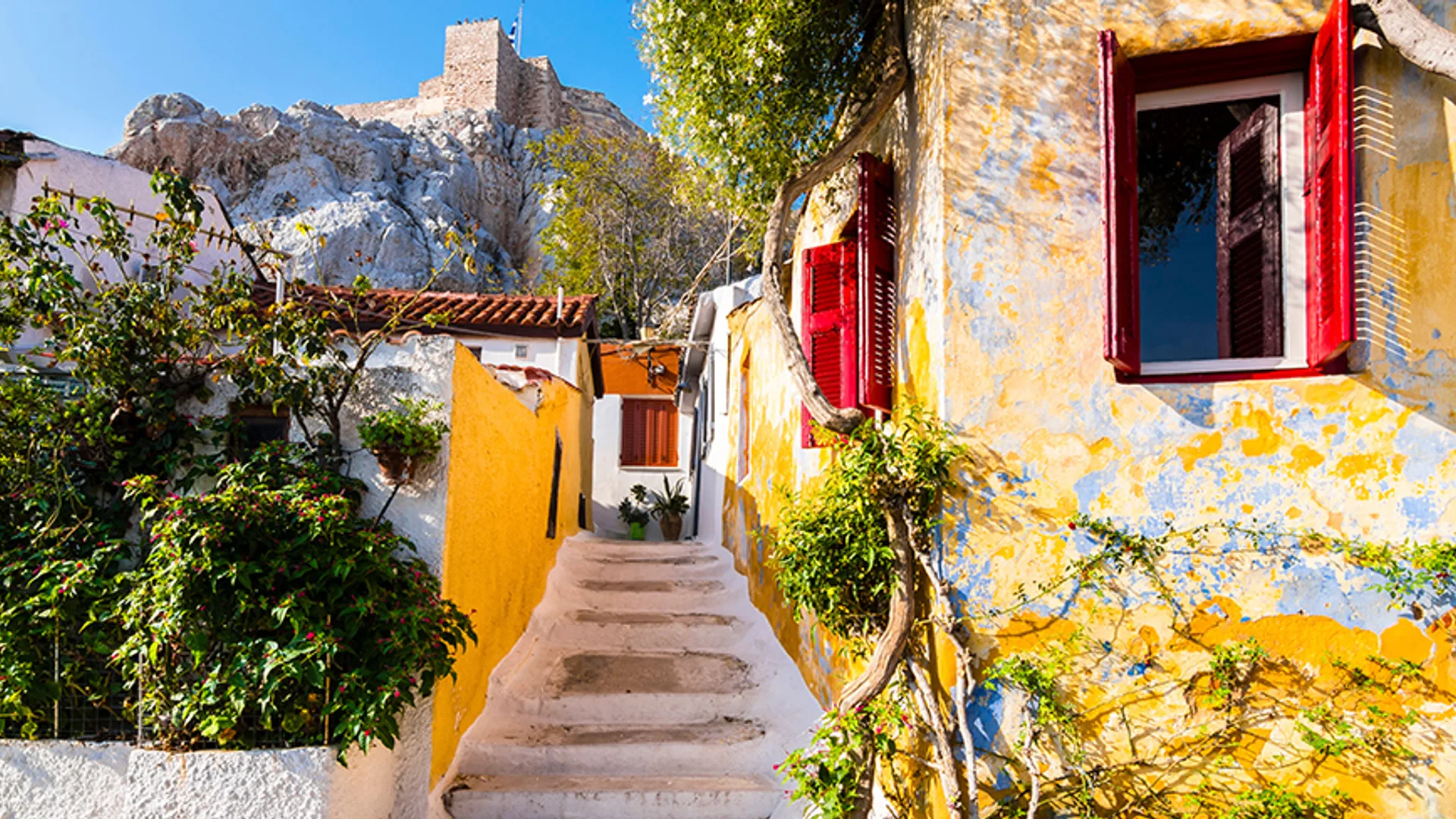
Anafiotika in Plaka: Cycladic Houses Beneath the Acropolis
A guide to Anafiotika in Plaka: the history of the craftsmen from Anafi, white houses, narrow steps, photos, respect for residents, and access.
Read more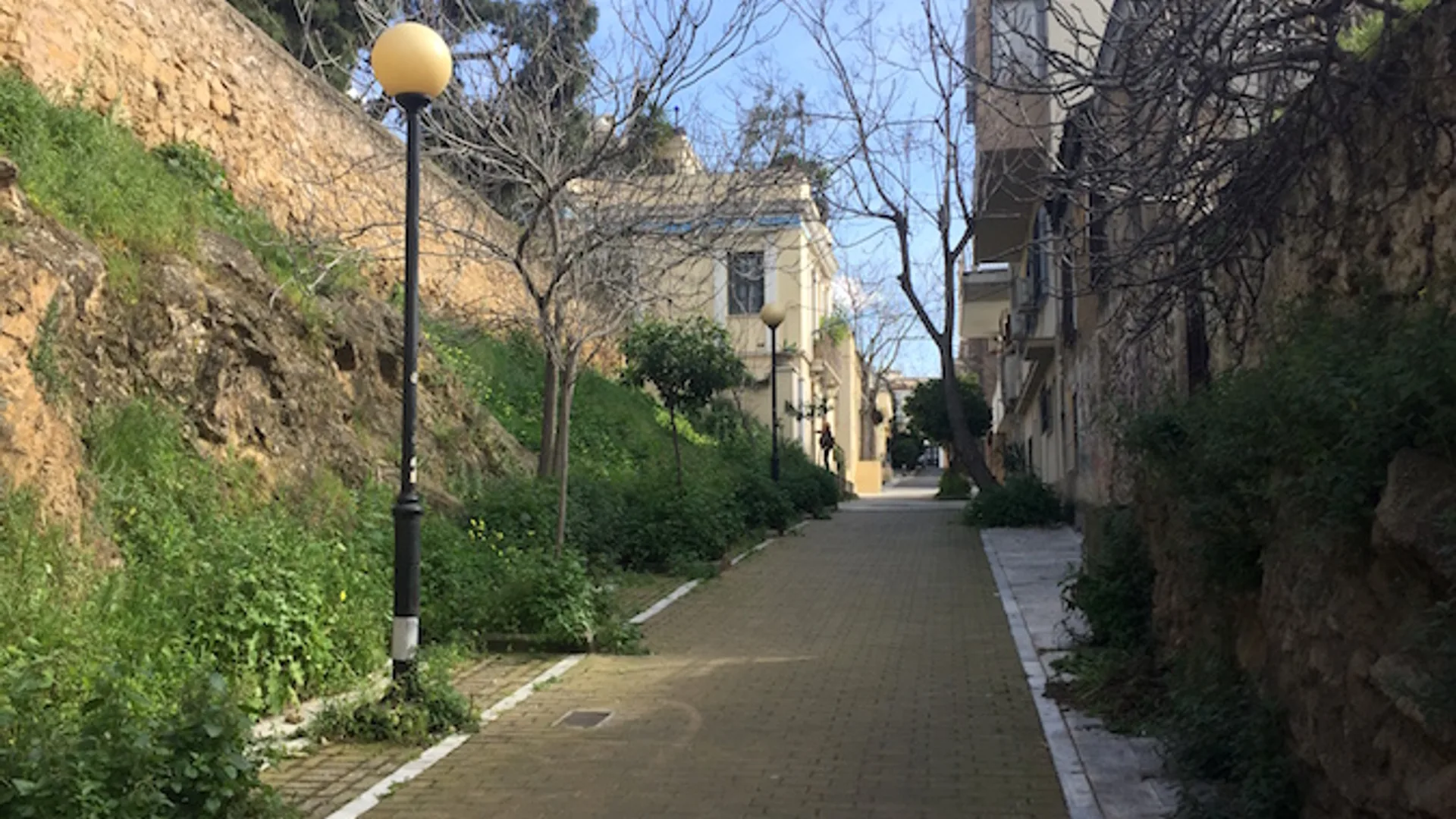
Mets in Athens: A Quiet Walk Behind the Panathenaic Stadium
A guide to Mets in Athens: the Panathenaic Stadium, the First Cemetery, pre-war houses, stepped streets, tavernas, the walking route, and how to get there.
Read more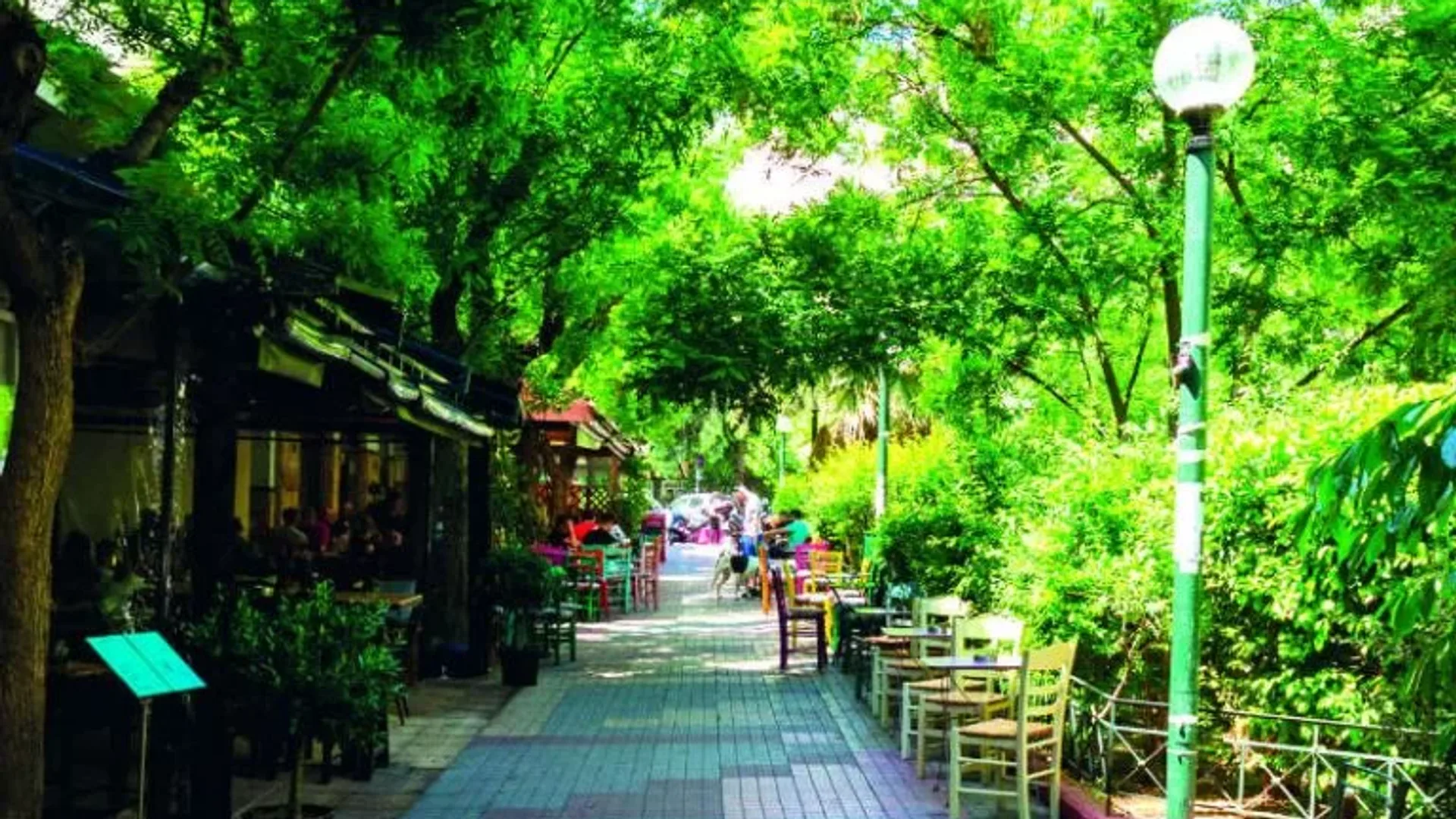
Koukaki in Athens: Where to Stay, Cafes, and Walks Near the Acropolis
A guide to Koukaki in Athens: staying near the Acropolis, Filopappou, cafes, restaurants, transport, safety, prices, and what to watch out for.
Read more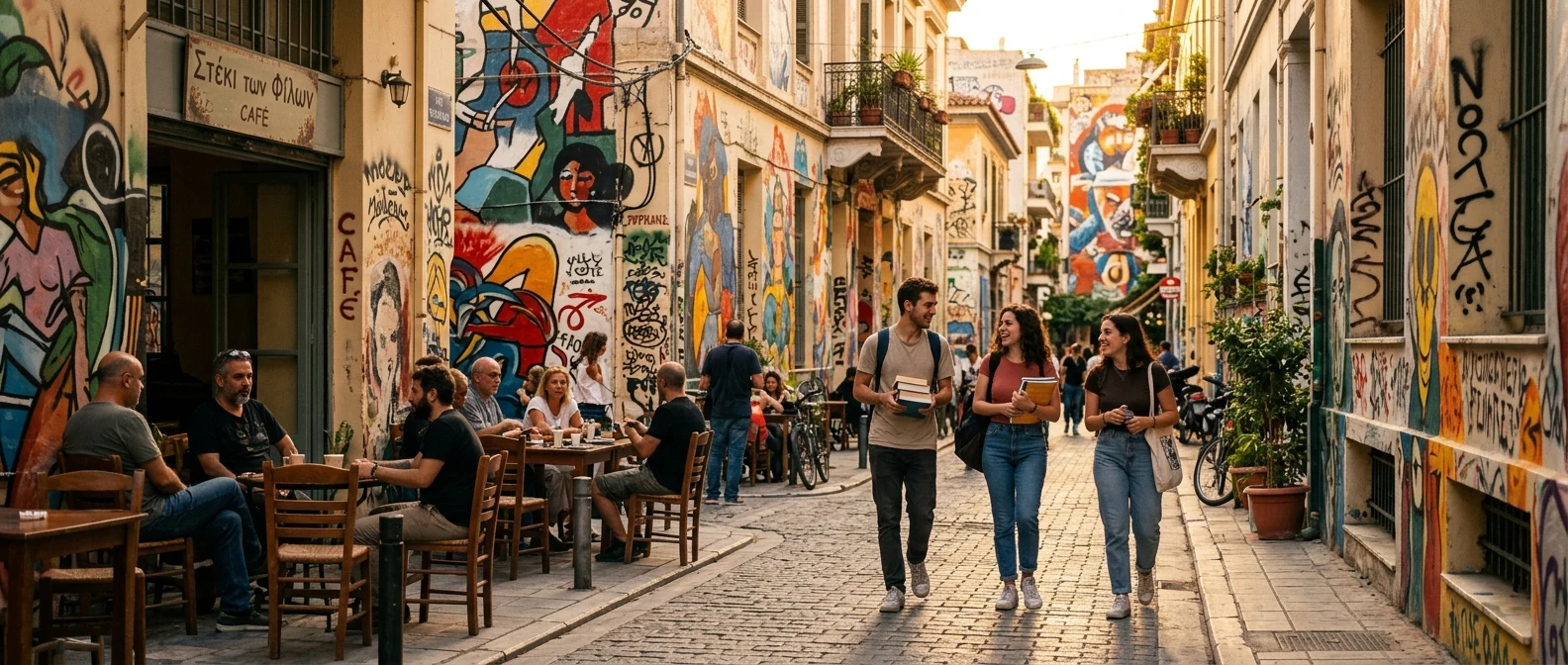
Exarchia in Athens: Bookshops, Cafes, the Polytechnic, and Strefi
A guide to Exarchia in Athens: history, the Polytechnic, Strefi Hill, bookshops, cafes, food, nightlife, safety, and access.
Read more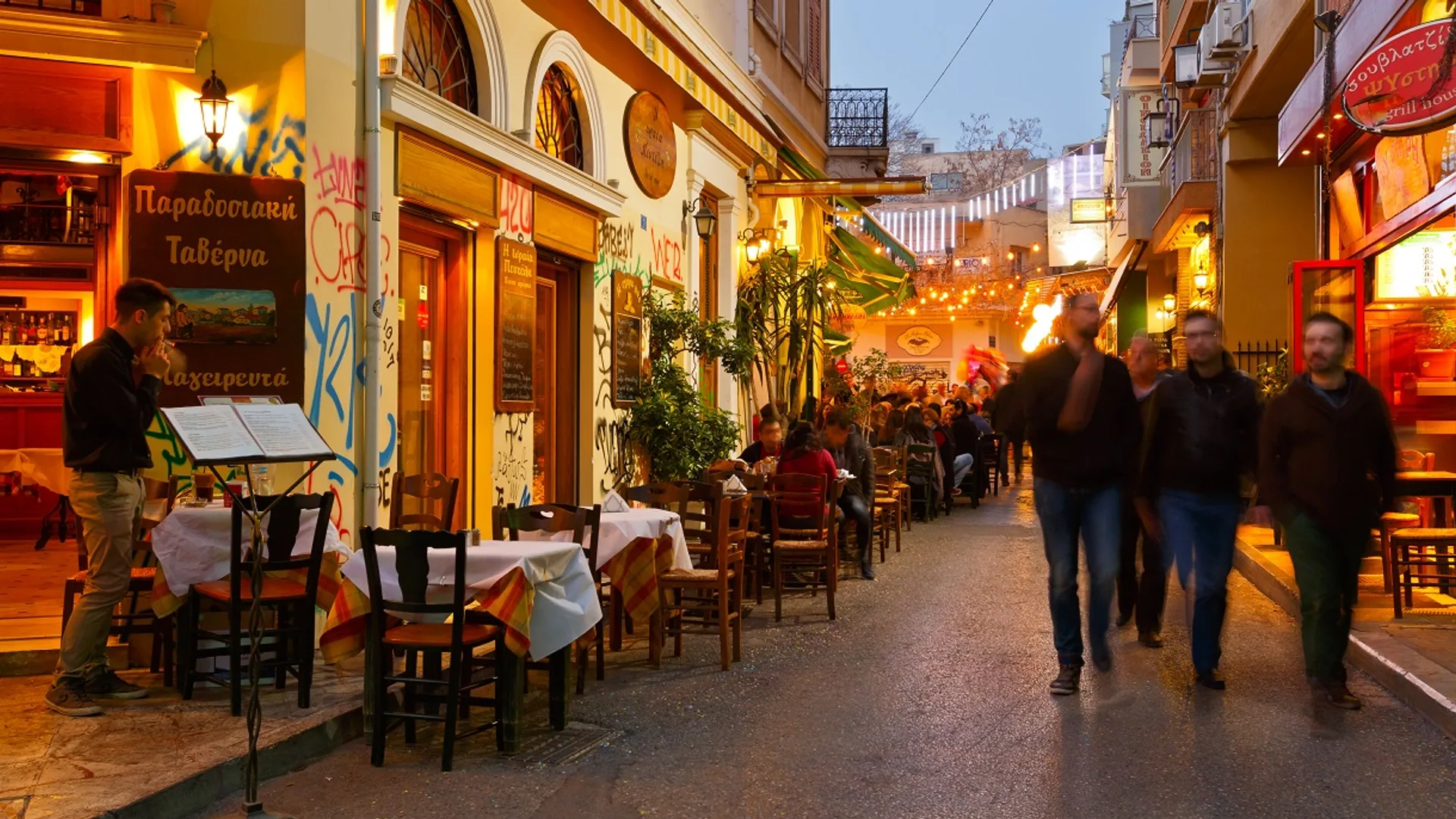
Psyrri in Athens: Meze Places, Bars, and an Evening Walk
A guide to Psyrri in Athens: Iroon Square, Agioi Anargyroi, meze places, bars, rebetiko, street art, access, and safety.
Read more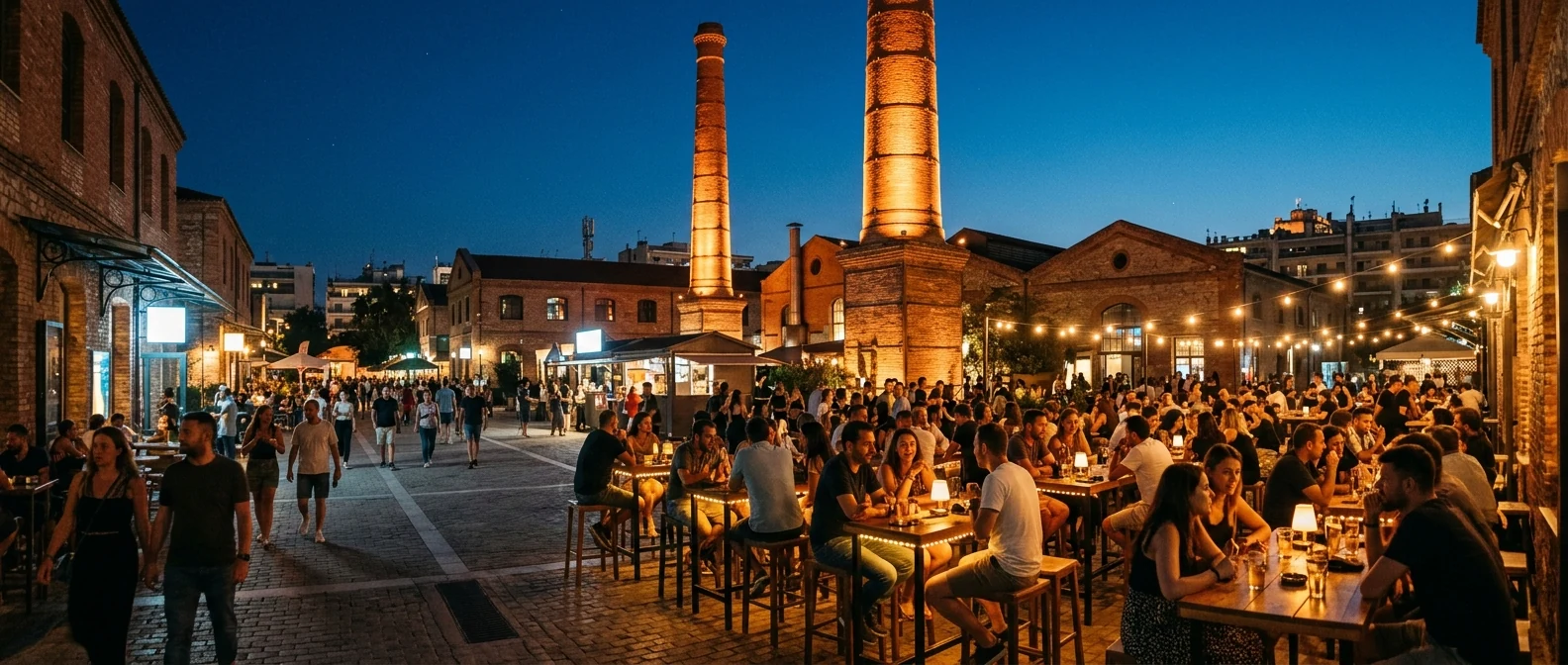
Gazi and Kerameikos: Technopolis, Bars, and Ancient Athens
A guide to Gazi and Kerameikos: Technopolis, the old gasworks, bars, live music venues, the archaeological site, food, and how to get there.
Read more