The three lines, simply explained
Line 1 — Green
The oldest line, the well-known electric railway. It connects Piraeus, Monastiraki, Omonia, Victoria and Kifissia. It is useful for the port, Thiseio, Monastiraki, Victoria and the northern suburbs.
Line 2 — Red
It passes through major central stations such as Larissis, Omonia, Syntagma, Akropoli, Syngrou-Fix and Elliniko. This is the line you will often use for the Acropolis, the main train station and the southern direction of the city.
Line 3 — Blue
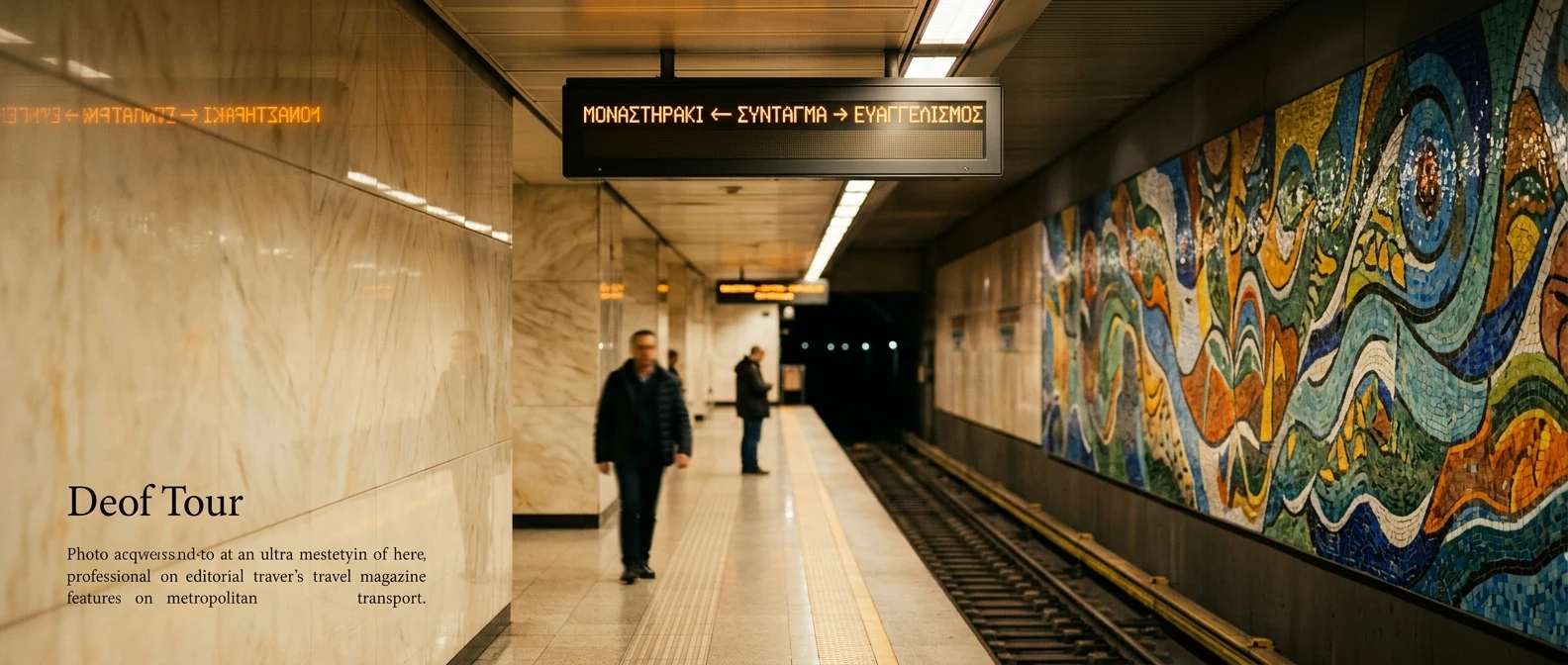
It links the airport, Megaro Mousikis, Evangelismos, Syntagma, Monastiraki, Kerameikos and Piraeus. For airport trips, always check the departure boards because not every train shows the same destination in the same way. See the airport metro guide.
The twelve stations visitors usually need
If you remember the stations below, most central journeys become much easier:
- Athens Airport (Line 3) — arrival and departure with the airport ticket.
- Syntagma (Lines 2 and 3) — Parliament, Constitution Square, the Changing of the Guard, central shopping.
- Monastiraki (Lines 1 and 3) — Plaka, the flea market, the Ancient Agora and an easy line change.
- Akropoli (Line 2) — Acropolis Museum, walking entry to the Acropolis, the south slope.
- Thiseio (Line 1) — Ancient Agora, the Apostolou Pavlou promenade and an easy walk toward the Acropolis area.
- Omonia (Lines 1 and 2) — central interchange. Useful, but it needs the usual attention around the square.
- Victoria (Line 1) — Victoria Square, Patission and access toward the National Archaeological Museum with a short walk or a short ride.
- Larissis (Line 2) — the main rail station and a connection toward longer-distance train travel.
- Evangelismos (Line 3) — Kolonaki, Byzantine Museum, War Museum, Lycabettus Hill approach.
- Megaro Mousikis (Line 3) — Concert Hall, US/British embassies area, Mavili Square.
- Kerameikos (Line 3) — Gazi, the Kerameikos archaeological site and evening outings.
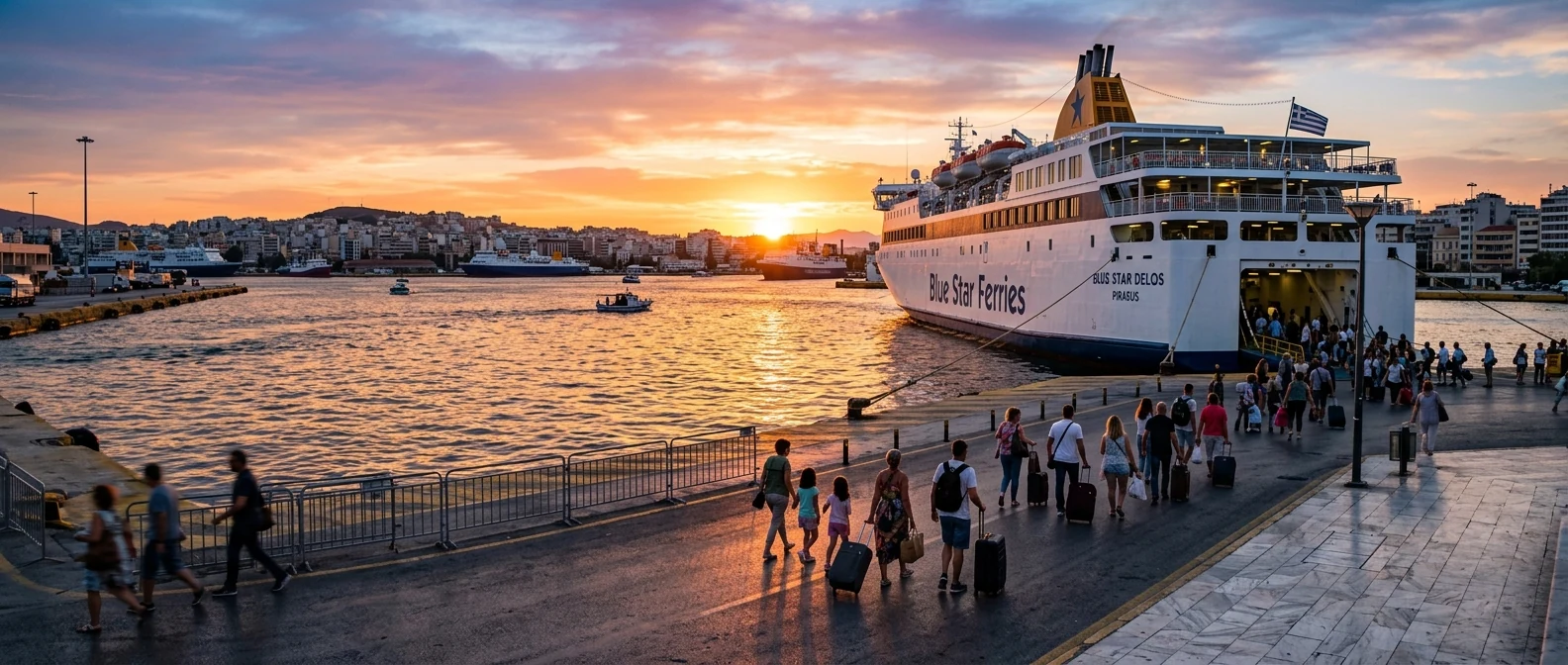
- Piraeus (Lines 1 and 3) — the port and ferry connections. Check your gate before you set off.
Where to change lines
Syntagma
Line 2 ↔ Line 3. The busiest interchange, with archaeological finds displayed in the shared station areas.
Monastiraki
Line 1 ↔ Line 3. A practical change for Victoria, Thiseio, Piraeus and Kifissia.
Omonia
Line 1 ↔ Line 2. A useful change, especially if you are moving between Patission, Syntagma and Akropoli.
Attiki
Line 1 ↔ Line 2 (further north). Less central but useful if your hotel is around Plateia Attikis.
Operating hours
- Weekdays: services start early in the morning and usually finish around midnight, depending on the line and station.
- Friday and Saturday: Lines 2 and 3 usually have later service on central sections. Line 1 does not always follow the same timetable.
- Frequencies: closer together at peak times, more spread out in the evening and on Sundays. For the airport, check the board separately.
The metro as a museum
Syntagma's underground archaeological gallery
The construction of Lines 2 and 3 brought many archaeological finds to light. In some stations, part of that material is displayed in the shared areas. Syntagma has the best-known display, while Akropoli, Monastiraki and Evangelismos also have smaller presentations. If you pass through without rushing, it is worth pausing for a few minutes.
Fares and tickets
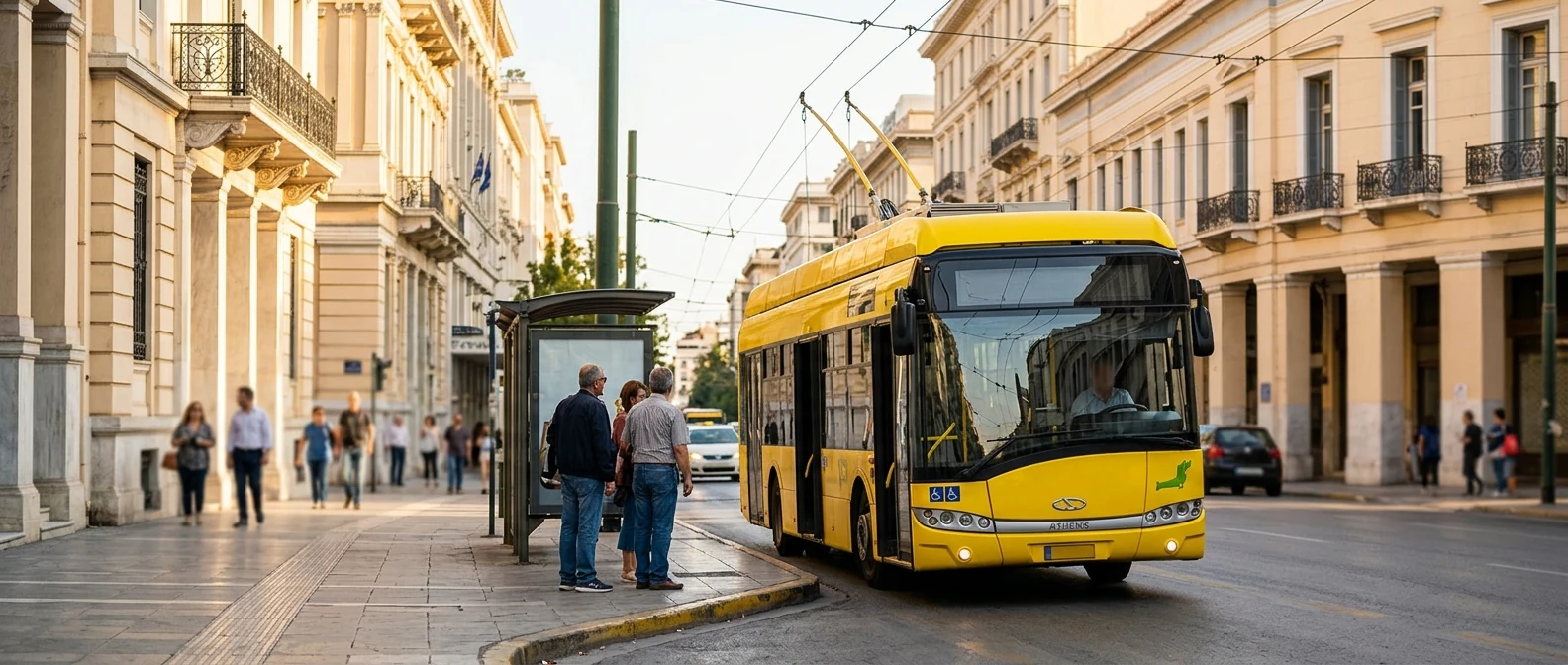
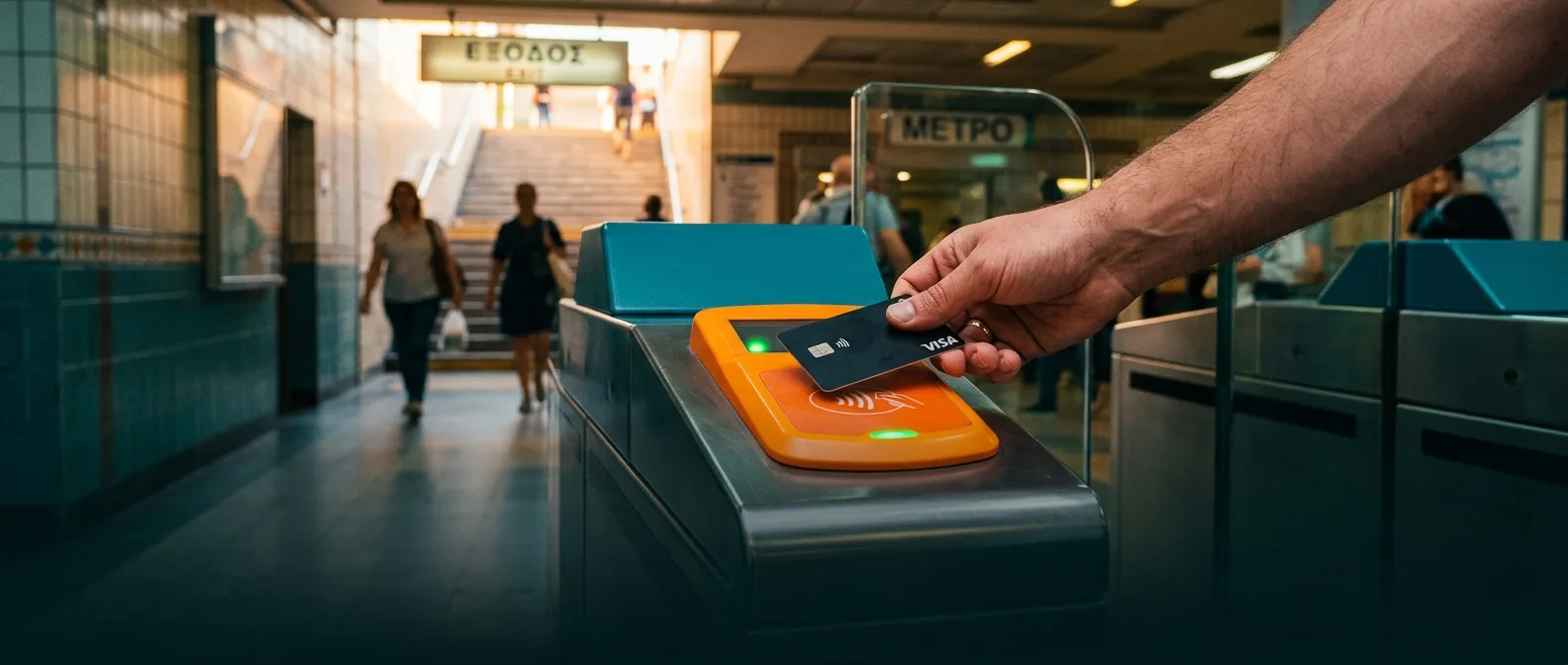
The same ticket covers metro, buses, trolleybuses and tram within the time window that applies, except for special sections such as the airport. For a short stay in Athens, a rechargeable ATH.ENA Card or the right day or multi-day products can make things easier. Contactless payment is expanding, but check what applies before you rely only on your bank card. See the tickets and passes guide.
Accessibility
Newer stations generally have better accessibility, while some older Line 1 stations can be harder to manage. If you need a lift, check the status of the station before you travel, because faults and maintenance can change the picture on the day.
Apps
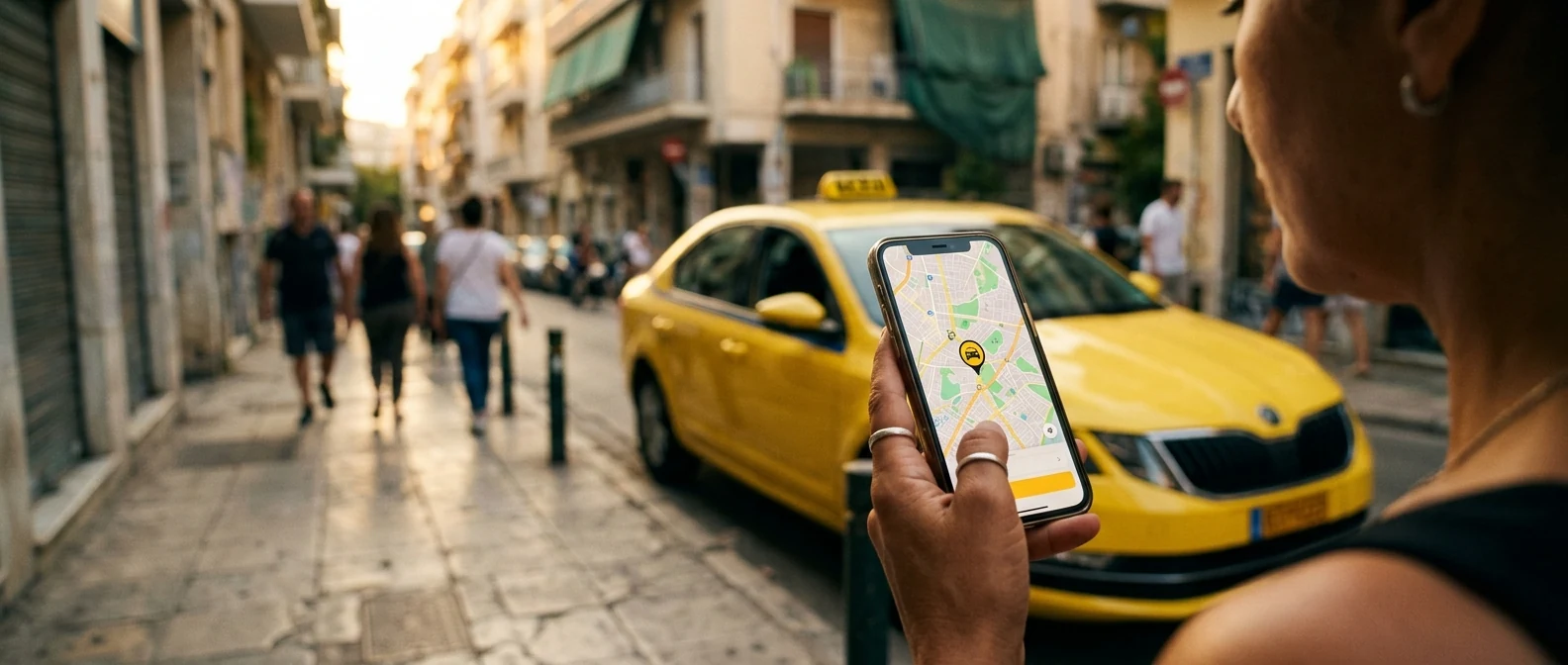
Google Maps is usually enough for most visitor journeys. Official OASA and STASY updates help when there are changes, disruptions or unusual services. For the airport, always trust the station departure board as well.
Strikes and disruption
Strikes and work stoppages do happen from time to time and are usually announced in advance. They can affect one line, certain hours or the whole network. The day before an important journey, check the news and the official announcements. See the metro strikes survival guide.
Etiquette and safety
- Let people exit before boarding. Athenians are generally good about this; please reciprocate.
- Keep bags on your lap, not on the seat next to you, when the train is busy.
- Watch wallets and phones on busy lines, especially in stations with many visitors, luggage and line changes.
- The metro is generally safe, but late at night it is still better to stay in well-lit stations, keep your belongings close and avoid waiting around without a reason.
How to get to Angel Athens (Ioulianou 50)
The main station for Angel Athens is Victoria on Line 1, and from there Ioulianou 50 is a short walk. From Syntagma, you can go either via Omonia using Line 2 and then Line 1, or via Monastiraki using Line 3 and then Line 1 toward Kifissia. From the airport, the clearest route is Line 3 to Monastiraki and then Line 1 to Victoria.
Frequently asked questions
Can I take a suitcase?
Yes, with no separate luggage charge. With a large suitcase, stand where you are not blocking the doors and avoid the morning peak if you can.
Are there toilets in stations?
Only in a few larger stations, not across the whole network. If you know you will need one, it is safer to plan around a cafe or another large public space.
Can I bring a bicycle?
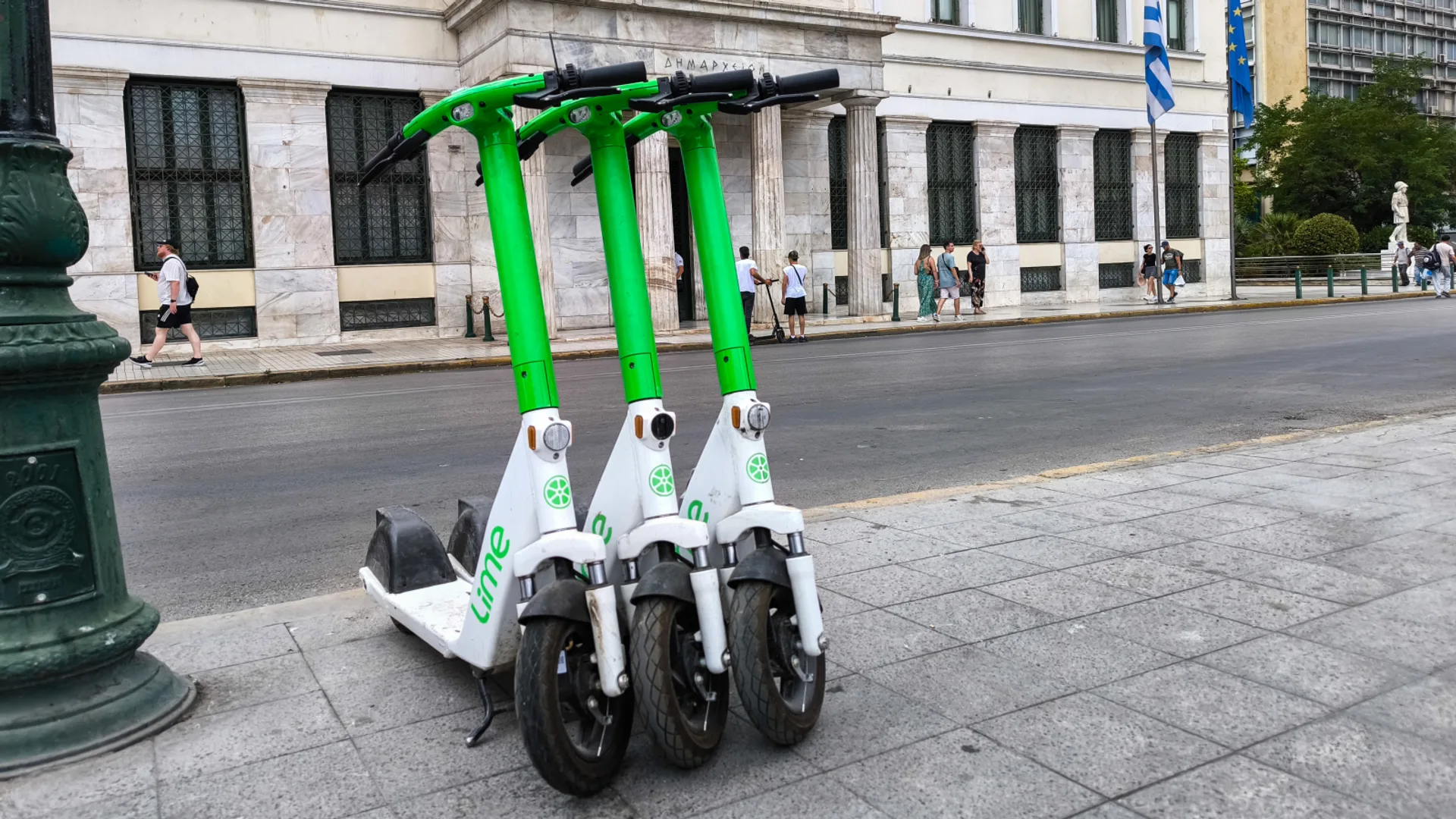
Yes, under certain conditions depending on the type of bicycle, the time and the current rules. Folding bikes are usually the easier case. For a standard bicycle, check the current policy before you travel. See the bikes and scooters guide.
What about pets?
Small pets in carriers are the simplest case. For larger dogs, specific rules apply about leads, muzzles and travel conditions, so check the OASA rules before you ride.
Sources:
— Kathy