The square — name and history
Victoria Square takes its name from Queen Victoria of the United Kingdom. The area developed as Athens expanded north from the older centre. On some side streets you still notice neoclassical buildings and early 20th-century apartment blocks next to later residential buildings.
Like many central Athens neighbourhoods, Victoria changed several times through the 20th century. It housed older Athenian families, people who moved in from other parts of Greece and, from the 1990s onwards, migrant communities from many countries. You can still read those changes today in the shops, the languages on the street and the food around the square.
The neighbourhood today
Multicultural Athens
People from many communities live and work around Victoria: Greek, Balkan, African, South Asian and Middle Eastern. You notice it in the restaurants, mini markets, cafes and street signs.
Everyday rhythm
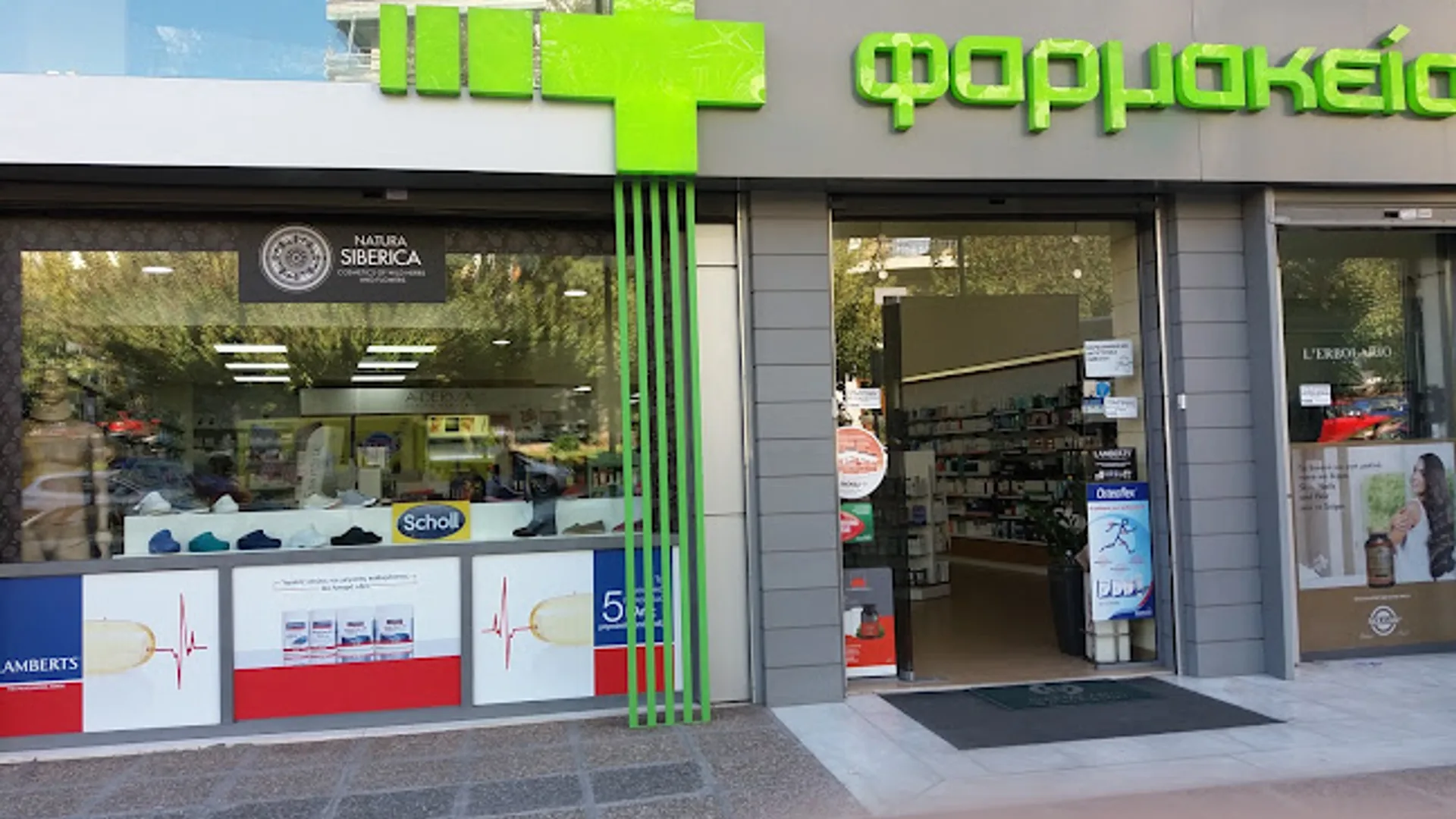
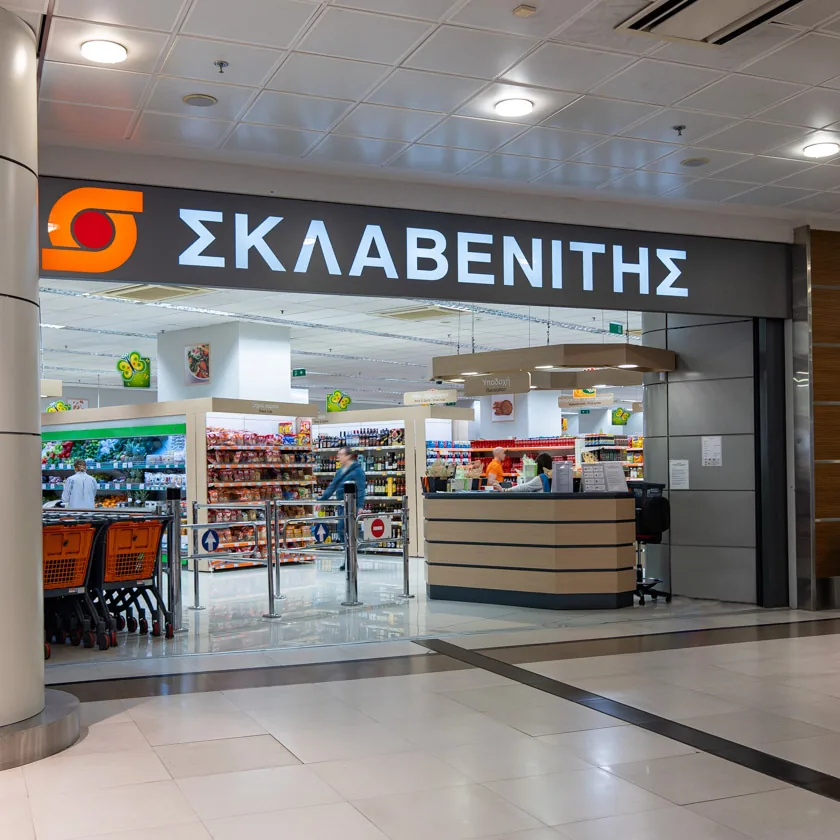
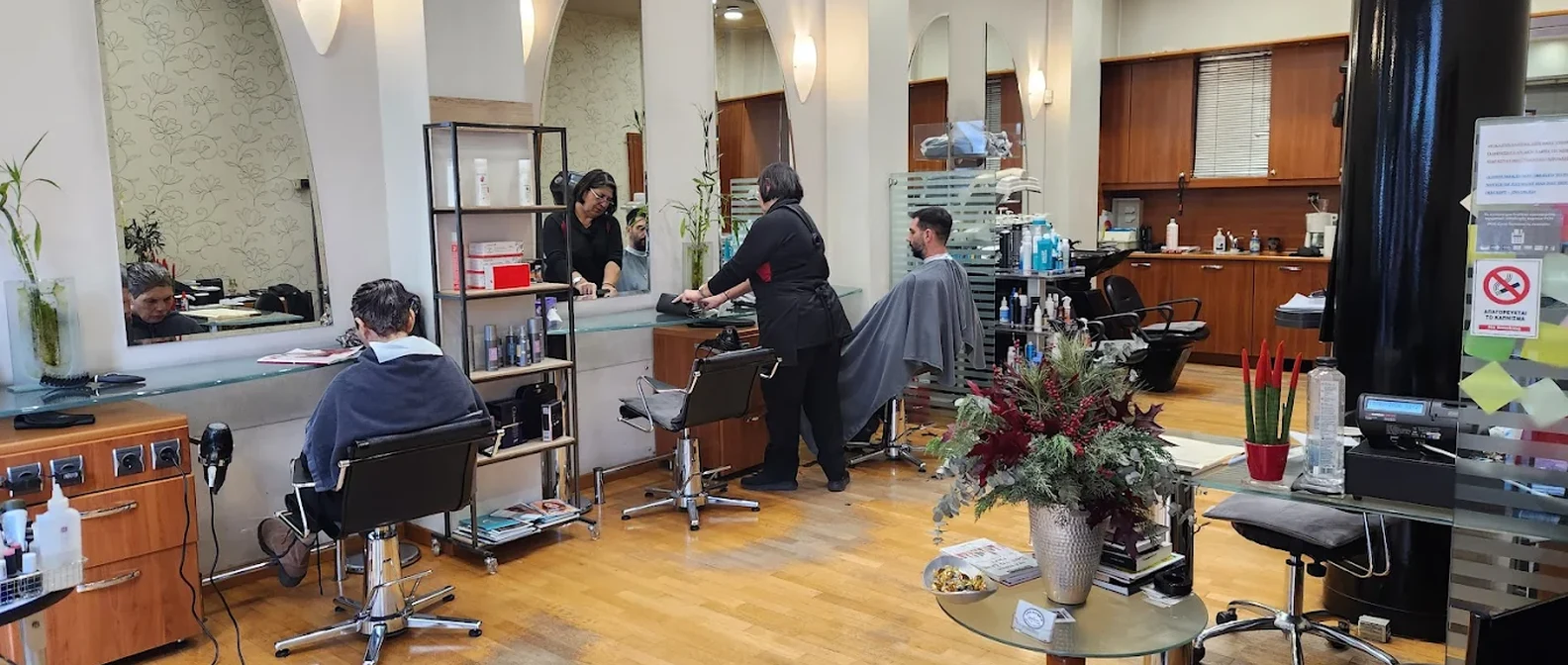
You will see repair shops, small retail stores, barbers, bakeries, cafes and apartment buildings where people actually live. Many businesses still close for a while in the afternoon.
A newer creative layer
In recent years, a few small studios, workshops and newer cafes have appeared on side streets, helped by lower rents and the area's closeness to Exarcheia and Patission.
The square itself
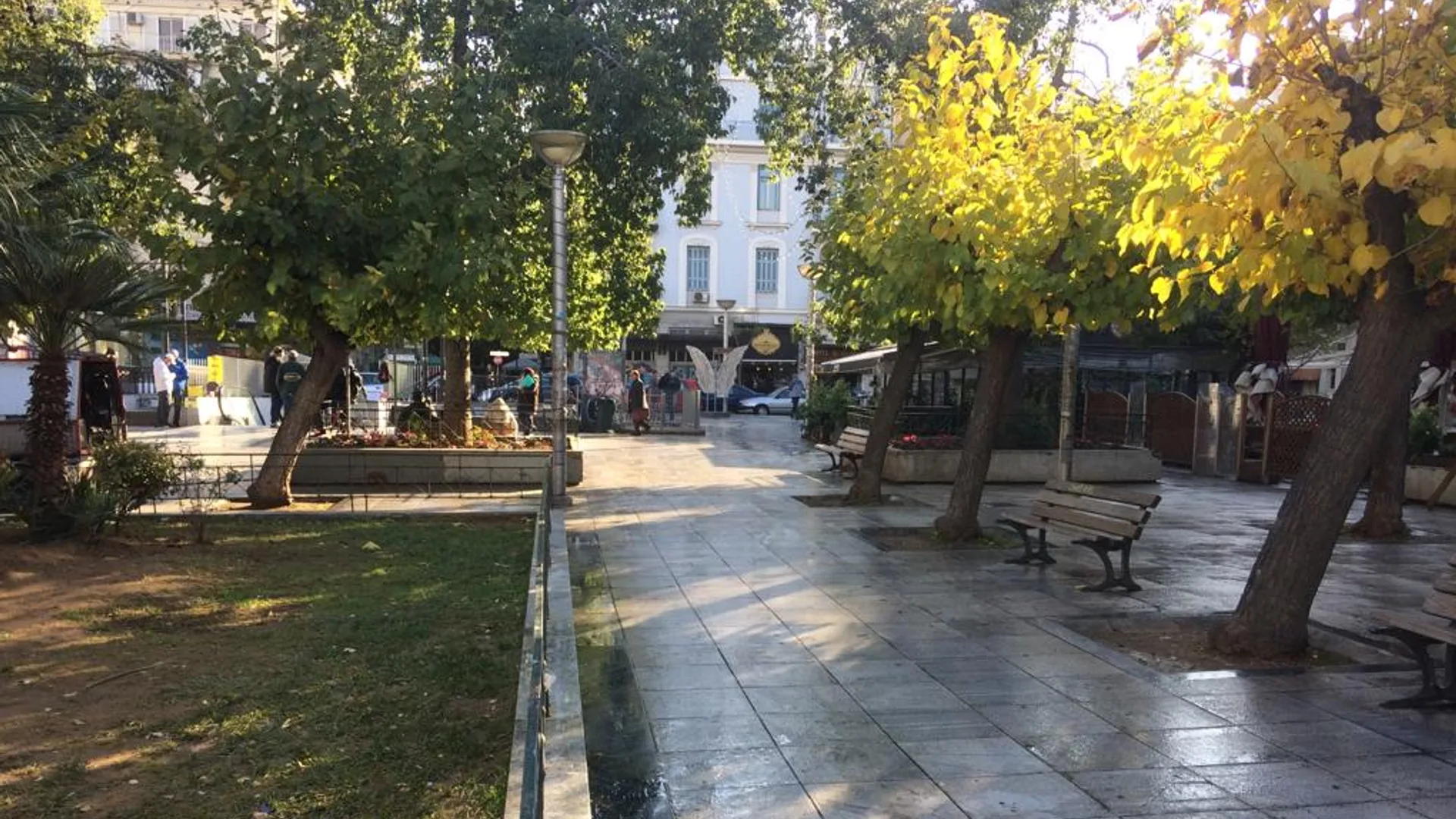
There are trees, benches, a kiosk and the metro entrance. In the morning people pass through with coffee and errands; later you see families, neighbours and people on their way home.
📍 From Angels Athens to Victoria Square
See the route at a glance from Iouliánou 50. Drag the map and zoom in for details.
The geography — what's around you
- South, towards the centre: the Patission corridor, Omonia and then Monastiraki, Plaka and the Acropolis area.
- East: Pedion tou Areos, the National Archaeological Museum and Exarcheia.
- West: quieter residential streets, Larissis Station and Metaxourgeio.
- North: Patissia and Kypseli.
What Victoria is — and isn't
What it is
Real, lived-in, central, well-connected, affordable, multicultural, full of food and small shops.
What it isn't
A polished tourist district or a hotel-zone version of Athens. If you want Plaka, you should stay in Plaka.
Also close to
The metro, more affordable food, the National Archaeological Museum, Pedion tou Areos, Exarcheia and Larissis Station.
Worth keeping in mind
The usual big-city precautions still matter, especially late at night or on very empty streets. See the safety guide.
What to eat in Victoria
- Greek souvlaki — several small souvlaki places around the square. (See souvlaki guide.)
- Bangladeshi / Pakistani / Indian — many small South Asian places, often at good neighbourhood prices.
- Ethiopian / Eritrean — a small scene with injera and stews.
- Egyptian / Sudanese — fuul, ta'amiya, fresh juices on side streets.
- Greek tavernas — neighbourhood places with mezze, grilled dishes and simple wine.
- Bakeries — fresh cheese pie and spinach pie.
Cafe culture
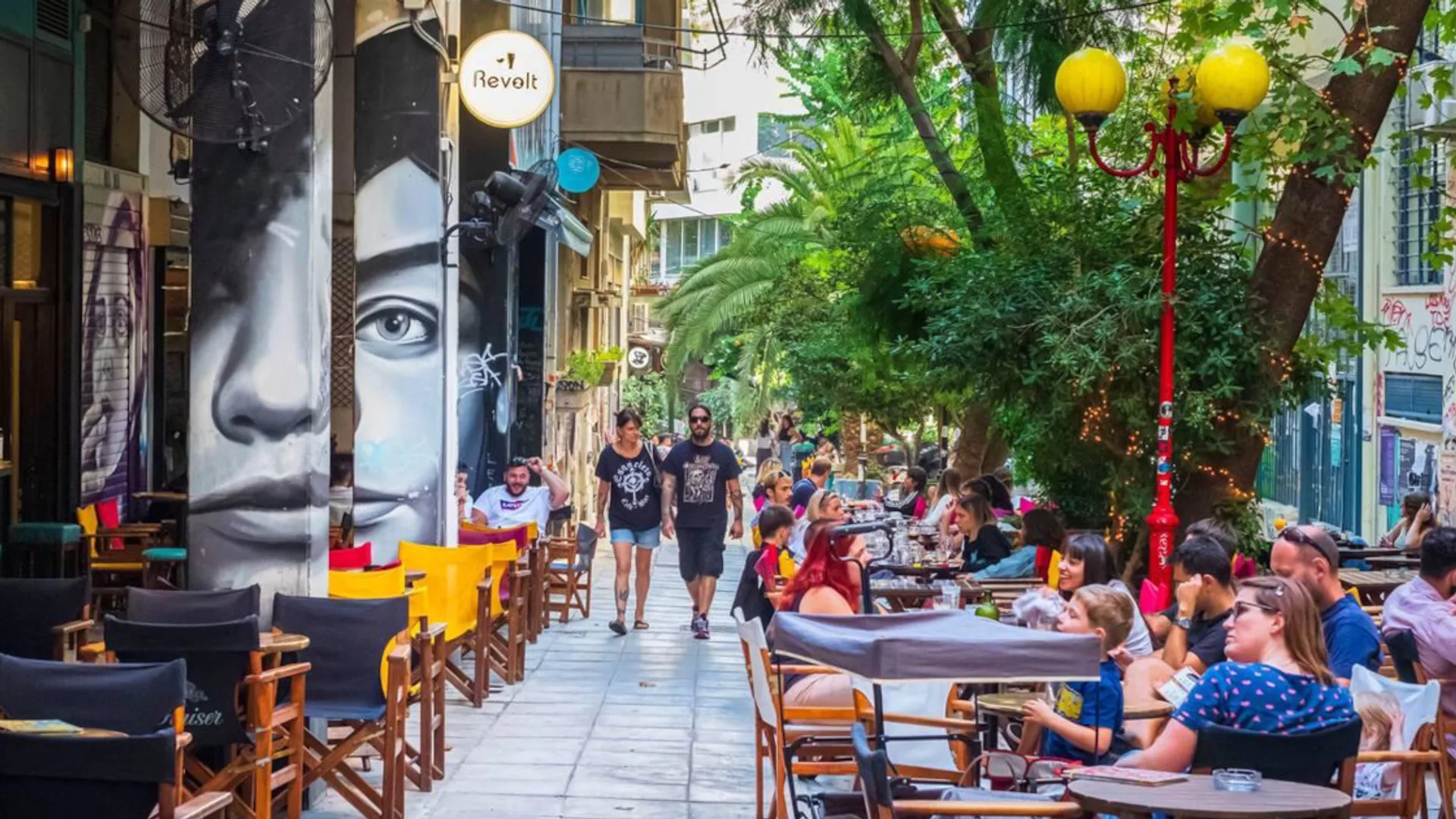
In Victoria you will find traditional kafeneia, small modern coffee shops and chains such as Mikel, Coffee Island and Gregory's. Some places are for a quick freddo to go; others are good for sitting down for half an hour. See the coffee guide.
Walks from Victoria — start here
To Exarcheia
About 15 minutes on foot. Bookshops, cafes, bars, political history and street art. See the Exarcheia walk.
To the Archaeological Museum
About 10-15 minutes on foot, depending on where you start. It is one of Greece's most important museums of antiquities. See the museum walk.
To Larissis Station
About 10 minutes on foot from the square, and less from Ioulianou. Useful for intercity trains and the suburban rail. See the station walk.
To Acropolis area
35-40 minutes on foot via Omonia and Athinas Street. It is a normal city walk, with markets, churches and older buildings. See the walking times guide.
Evenings in Victoria
- 20:00-22:00: time for dinner, families, groups of friends and steady movement around the square.
- 22:00-00:30: souvlaki places and cafes still have life, especially on Friday and Saturday.
- 00:30-02:00: the area quiets down, although some spots stay open.
- After 02:00: side streets are calmer. Stick to better-lit roads or take a taxi if you do not know the area.
Why stay here instead of a tourist zone
What you gain in Victoria
- Often cheaper accommodation than in the more touristy parts of the centre.
- An everyday Athenian rhythm with bakeries, mini markets, cafes and small shops.
- Quick metro access to the centre on Line 1.
- Variety in food, both Greek and international, at neighbourhood prices.
- Walking access to Exarcheia, Pedion tou Areos, the National Archaeological Museum and Larissis Station.
- Less tourist staging and more ordinary city life.
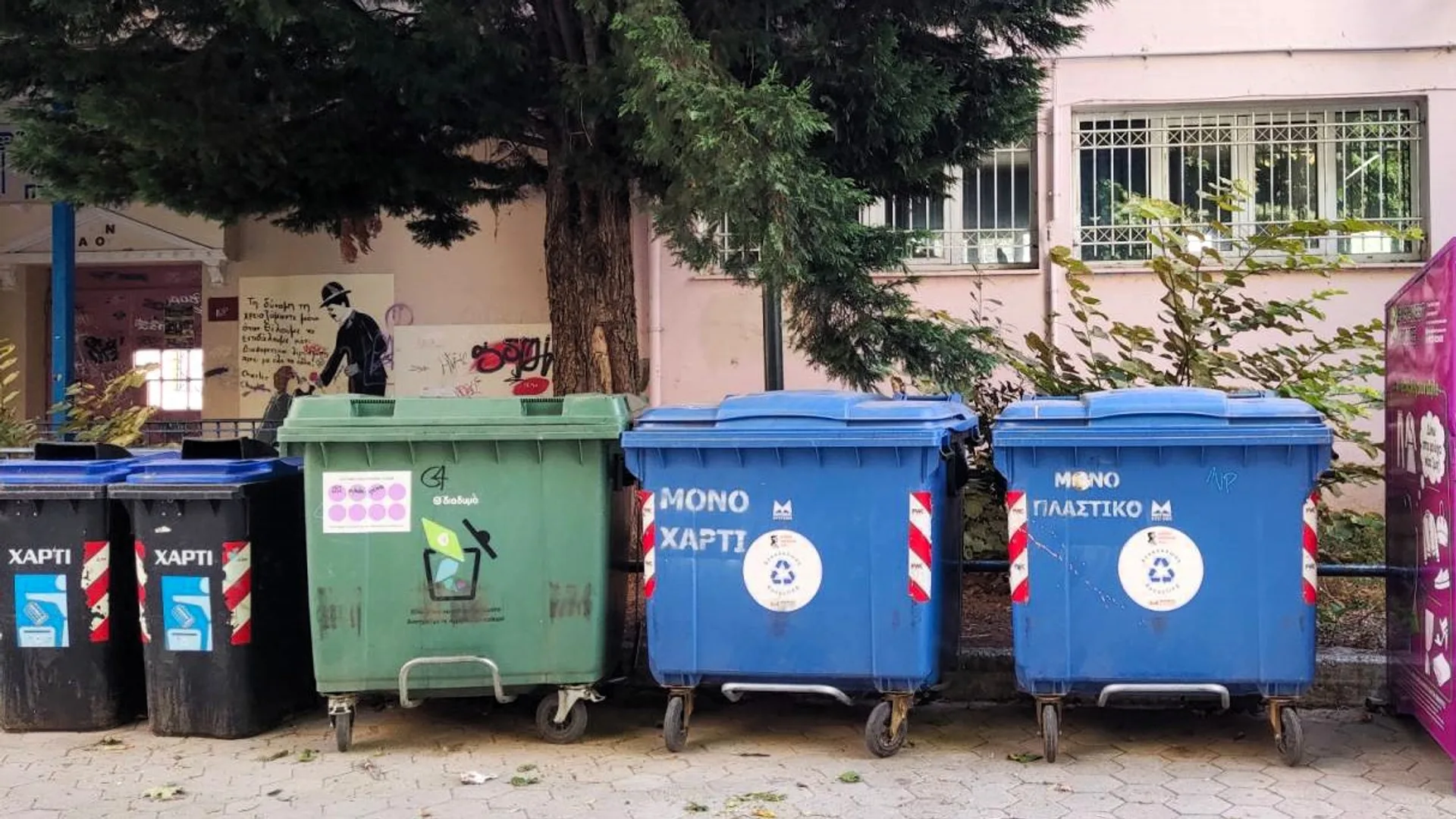
The trade-off is that you will see graffiti, older facades, narrow pavements and places that are not arranged for a tourist image. For many travellers, that is part of the experience; for others, Plaka or Koukaki may suit them better.
The short version
Victoria is central, practical and full of different voices. It does not hide the contrasts of the city, but it works well as a base for transport, food, museums and daily needs. If you want to stay near the centre without being inside the tourist scene, it is worth considering.
FAQ
Is Victoria a "tourist" area?
Not in the way Plaka or Koukaki are. You will see visitors, but the area mainly works as a neighbourhood where people live.
Will I hear English?
In cafes, restaurants and many shops, basic English is usually enough. In smaller places, pointing, photos and a couple of Greek words such as "kalimera" and "efharistó" help.
Best time of day in the square?
Late afternoon, when the heat eases and the square fills with ordinary movement: children, people passing through, takeaway coffees and neighbours heading home.
Will I see people who are struggling?
Probably yes, as in many big city centres. Keep the usual awareness and respect, without panic and without indifference.
One thing every visitor should do here?
Have a meal at a small South Asian place in the area or a Greek coffee at a neighbourhood kafeneio. Both tell you more about Victoria than a quick photo in the square.
Sources:
— Kathy