Why Corinth matters
Ancient Corinth controlled the narrow Isthmus of Corinth, the 6.4 km strip of land linking central Greece with the Peloponnese, from at least the 8th century BCE. Whoever controlled the isthmus had influence over trade between the Aegean and the Ionian. Corinth's ports at Lechaion and Kechreai made it one of the wealthy cities of antiquity. The Romans destroyed it in 146 BCE, Julius Caesar refounded it in 44 BCE, and it later became the capital of the Roman province of Achaea. What visitors see today is mainly from the Roman period.
How to get there from Athens
Suburban rail
From Larissa Station to Corinth, around 1 hour. Usually around 6-9 euros each way. From Corinth station, you need a taxi to the archaeological site, which is around 8 km away.
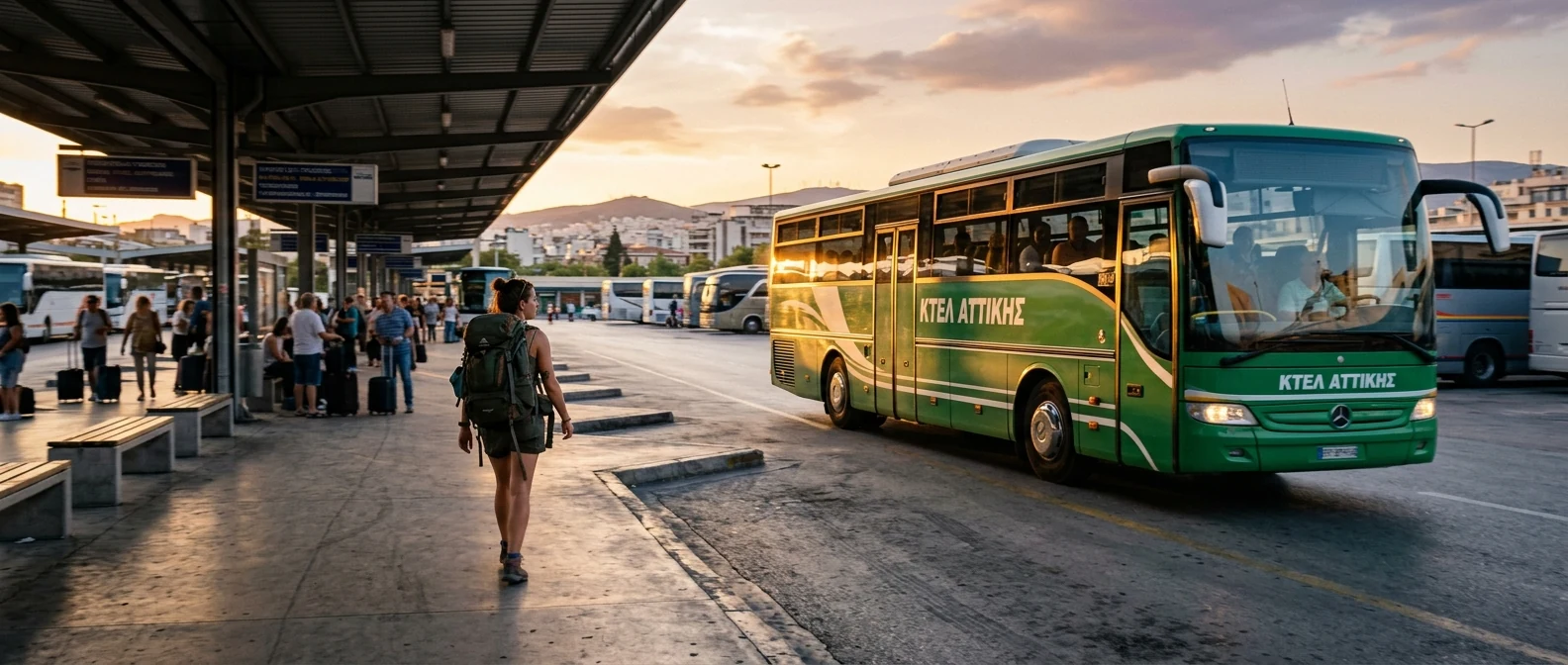
KTEL bus
From Kifisos bus station, usually with regular departures to Corinth. Around 1 hour 20 minutes. Then take a taxi to the site.
Rental car
Around 80 km via the motorway, roughly 1 hour and 15 minutes without heavy traffic. Tolls are around 3 euros each way. This is the most flexible option if you also want Acrocorinth and Loutraki.
Organized day tour
Usually around 60-95 euros per person. It often includes the canal stop and the archaeological site, and sometimes Mycenae or Epidaurus as well. A practical option if you do not want to drive.
A stop at the Corinth Canal
The Corinth Canal was completed in 1893 and cuts through the 6.4 km of the isthmus. It is about 84 m deep and only 24.6 m wide. Large modern cargo ships do not use it easily because it is narrow, but the stop at the bridge is still worth it for the view of the cut through the rock. The motorway and rail bridges pass above it. In season there is also bungee jumping here, and a nearby cafe works for a short stop.
The archaeological site
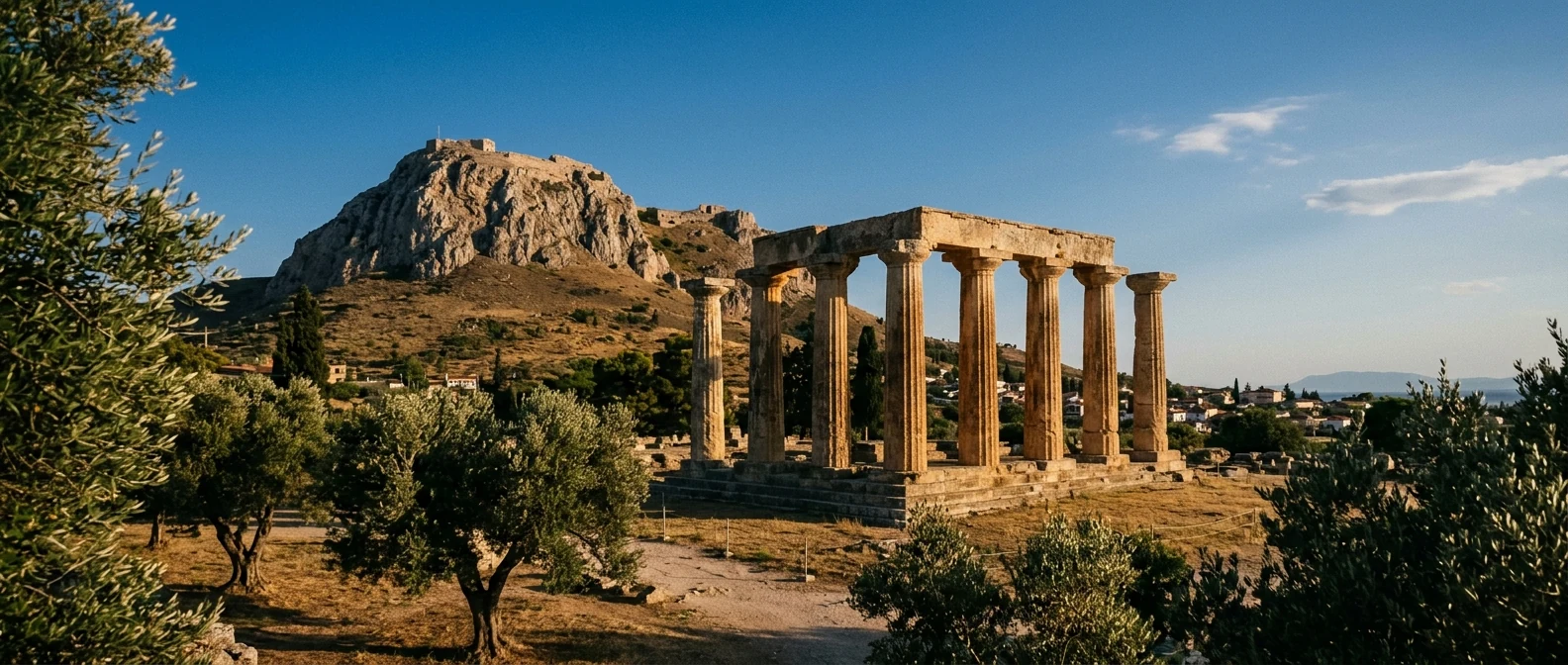
- Temple of Apollo: seven monolithic Doric columns survive from the 6th-century BCE temple.
- Roman Forum: the center of Roman Corinth, with columns, platforms, shops, and the Bema linked with the trial of Saint Paul in Acts 18:12.
- Lechaion Road: the Roman paved road that led north toward the port.
- Peirene Fountain: a Roman-era fountain complex with several water chambers, still holding water.
- Glauke Fountain: pre-Roman.
- Archaeological Museum: next to the site, with Roman, Byzantine, and early Christian finds, together with fragments from the Asklepieion.
Acrocorinth, the upper city
Why Acrocorinth is worth it
The fortified mountain rising 575 m above Ancient Corinth was the acropolis of the city from antiquity until the 19th century. Greek, Roman, Byzantine, Frankish, Venetian, and Ottoman layers left walls, gates, towers, and traces of the Sanctuary of Aphrodite at the top. From above, you can see the isthmus, the Corinthian Gulf, the Saronic Gulf, the Geraneia range, and the mountains of the Peloponnese. Entry is free. From the archaeological site, it takes around 15 minutes by car and then 30-40 minutes on foot along an uphill stone path.
At a glance
~80 km
Athens to Corinth via E94 motorway. ~1 h 15 min driving.
€8
Combined entry for the archaeological site and museum. Acrocorinth has free entry.
146 BCE
Roman destruction by Lucius Mummius. Refounded 44 BCE by Julius Caesar.
575 m
Height of Acrocorinth's summit above sea level. 360-degree view.
The Saint Paul connection
Paul of Tarsus lived in Corinth around 50-52 CE. According to Acts 18:12-17, he was brought before the Roman proconsul Gallio at the Bema of the Forum, but the case was dismissed. His two surviving letters to the church in Corinth, 1 and 2 Corinthians, are central texts of the New Testament. For travelers with biblical interests, this gives the site a distinct layer of meaning.
Where to eat
- Tavernas in modern Corinth: around 8 km from the archaeological site.
- Tavernas around the site: convenient, but usually priced for visitors.
- Loutraki: a spa and seaside town 7 km away, with more choices for food. Easy to combine if you are driving.
- Cafe by the canal bridge: better for a quick coffee or snack than a full meal.
A realistic one-day plan
Athens → Corinth round trip (8-9 h)
- 08:30: Depart Athens by car or train.
- 10:00: Stop at Corinth Canal bridge. Photos + coffee (€3).
- 10:30: Drive 15 min to Acrocorinth. Park at the gate.
- 11:00-13:00: Climb Acrocorinth, explore upper-city layers, photographs (free).
- 13:00: Drive down to ancient Corinth + lunch at adjacent taverna (€20-€28).
- 14:30-16:30: Visit Ancient Corinth site + Archaeological Museum (€8 combined).
- 17:00: Optional Loutráki coffee/swim (sandy beach 7 km away).
- 18:30: Drive back to Athens. Arrive ~19:45.
Combine Corinth with
- Mycenae, Epidaurus, and Nafplio: the classic Peloponnese circuit. It is a long day and usually needs a car or an organized tour. See the guide to Mycenae, Epidaurus, and Nafplio.
- Loutraki: a spa town with thermal water and a beach, around 10 minutes away by car.
- Hosios Loukas and Delphi: too far for a comfortable same-day combination. Better kept for another trip.
- Isthmia: a smaller archaeological site connected with the Isthmian Games, around 5 km from the canal.
When to go
- April-May and September-October: warm but not too hot, with clear light and easier walking.
- June-August: very hot at midday in an open site with little shade. Try to visit early or later in the day.
- November-March: cooler and often quieter, but with a chance of rain. The Acrocorinth path can be slippery after wet weather.
- Opening hours: roughly 08:00-15:30 in winter and 08:00-19:30 in summer. Always confirm on culture.gov.gr before you go.
Practical tips
- Walking shoes are necessary: there is uneven ancient stone, marble, and dust.
- Hat, water, and sunscreen: the site is open and exposed.
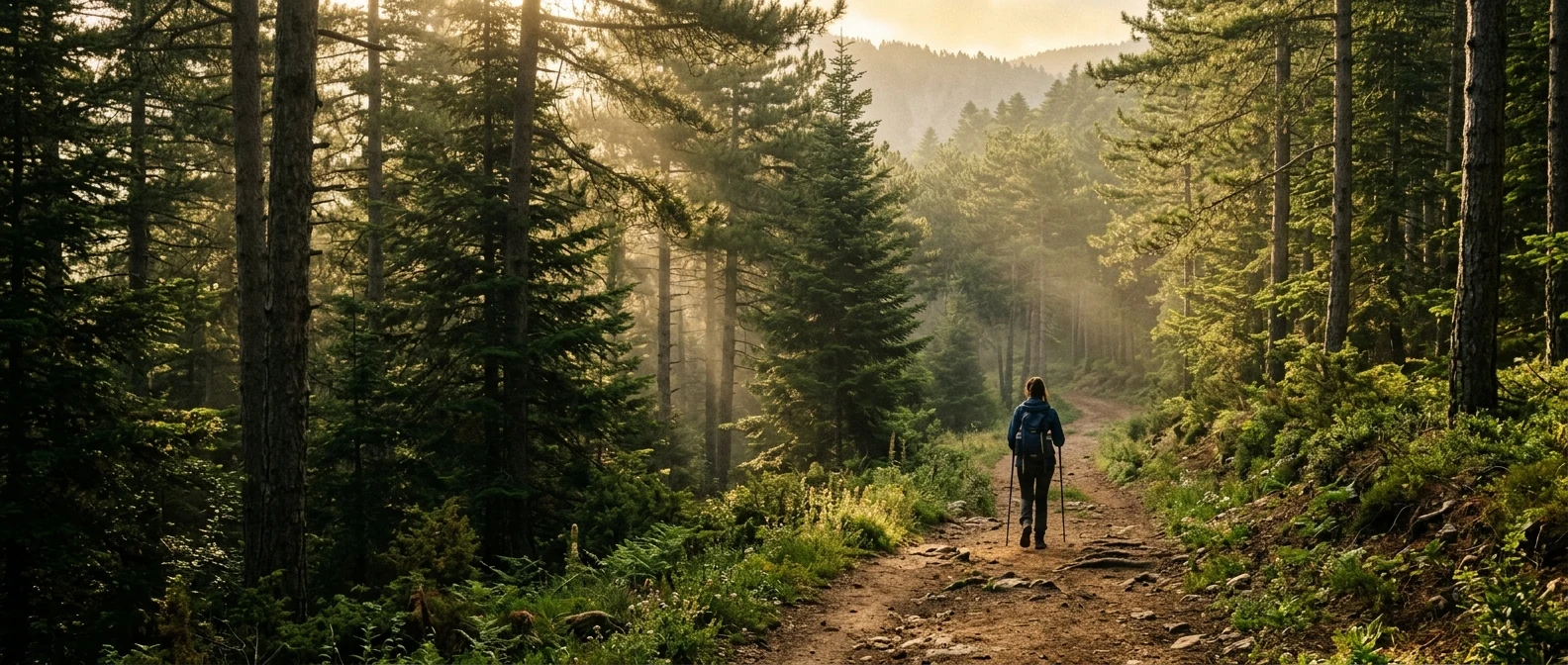
- Acrocorinth climb: around 30-40 minutes on a stone path. Not technical, but exposed. Bring enough water.
- Photography: morning light works well on the eastern side of the Temple of Apollo, while afternoon light suits Acrocorinth better.
- Cash: useful for taxis and small purchases, though the site and museum take cards.
How to get there from Angel Athens (Ioulianou 50)
From Ioulianou 50, Victoria station is around 3 minutes away on foot. From there, take Line 1 to Larissa Station and continue by suburban rail to Corinth. Plan on around 1 hour and 25 minutes to Corinth station. From there, you need a taxi to the archaeological site, usually around 12-15 euros. By car from Victoria, via Kifisou Avenue and the motorway, the route takes around 1 hour and 30 minutes depending on traffic.
Frequently asked questions
Worth it without a car?
Yes. The suburban rail to Corinth and then a taxi to the archaeological site works without much difficulty. Acrocorinth is more awkward without a car, because it usually needs a separate taxi and then walking from the gate. An organized tour makes the day simpler.
Combine with Mycenae same day?
It is possible by car, but the schedule becomes tight. Plan on roughly 3 hours of driving in total, two archaeological sites, and lunch, so a full 10-11 hour day. If you have enough time, two separate trips work better.
Acrocorinth for non-hikers?
The path is moderate rather than technical: 30-40 minutes uphill on a stony surface. Most visitors with average fitness manage it. Avoid it if you have limited mobility.
Saint Paul site really visible?
The Bema linked with the trial of Saint Paul is identified and signposted. For deeper biblical context, organized religious tours can add more background.
Is the Corinth Canal worth a stop?
Yes. It takes around 10-15 minutes, costs nothing if you stop at the bridge, and gives a clear sense of the isthmus.
Best month?
May or October usually works best. The weather is milder, the view from Acrocorinth is often clear, and there are fewer people.
Sources:
— Kathy