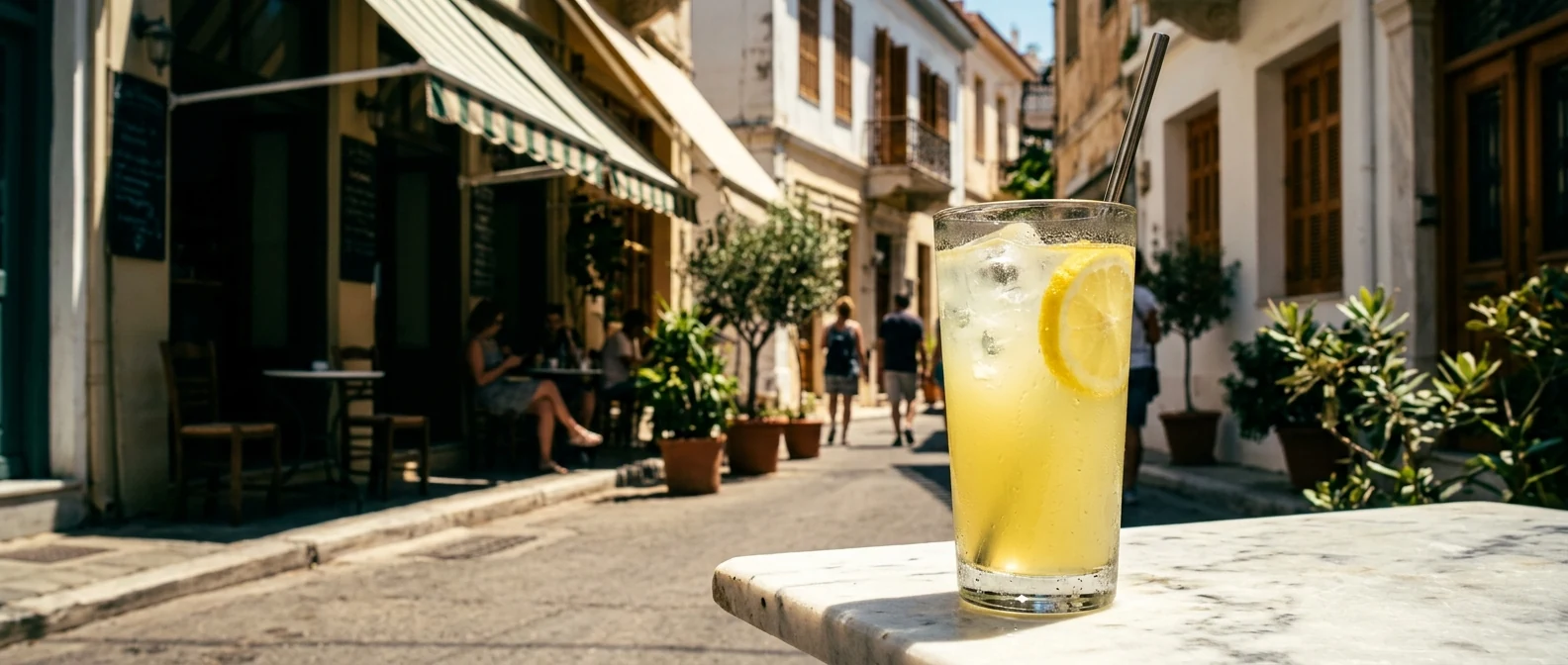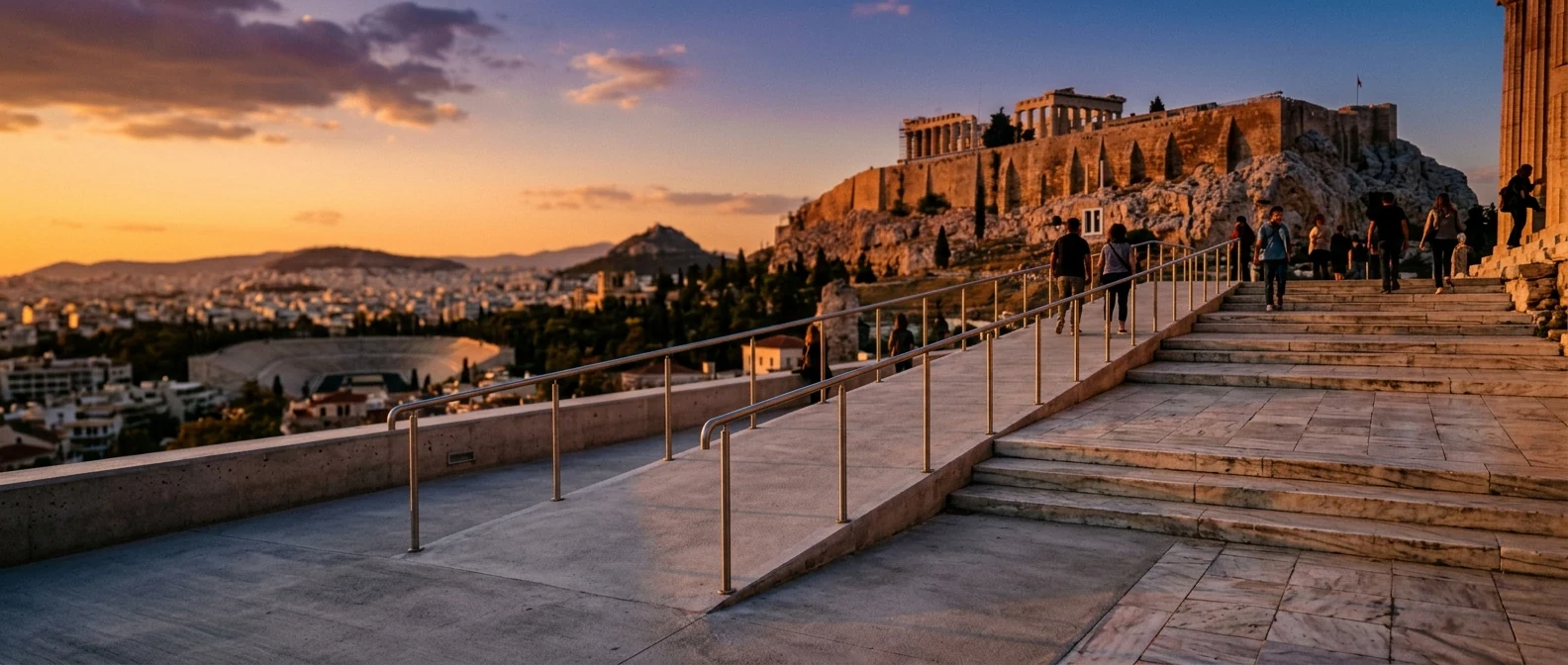
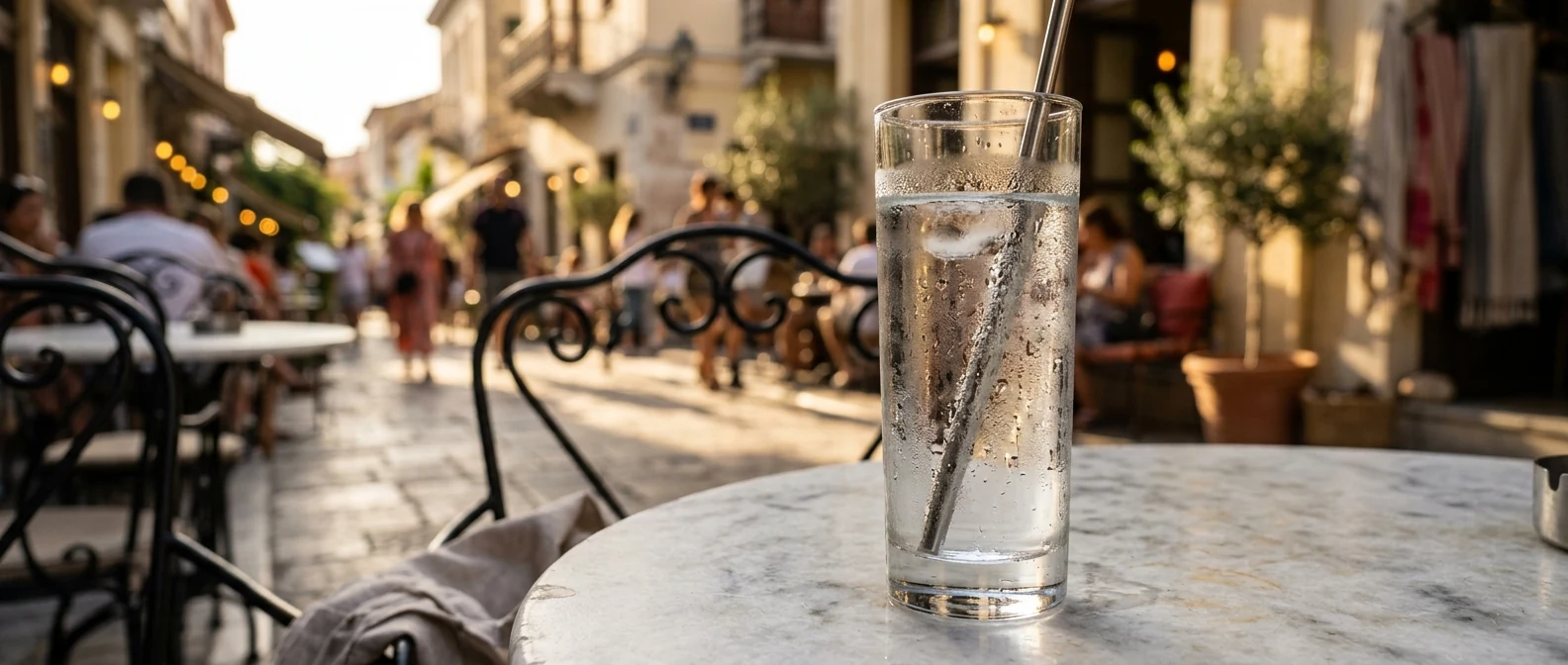
💧 Athens — drink the tap
Athens tap water is supplied by EYDAP (Athens Water Supply + Sewerage Company), drawing primarily from Mornos + Yliki + Marathon reservoirs. It is fully potable + tested daily, meeting EU + WHO drinking-water standards. Athenians drink it directly from the tap. There is no benefit + significant cost (financial + plastic) to bottled water in Athens. Refill bottles at hotels, restaurants, public fountains. The taste is fine — soft, clean, no chlorine aftertaste in most areas. Visitors who fill water bottles at hotel rooms drink confidently.
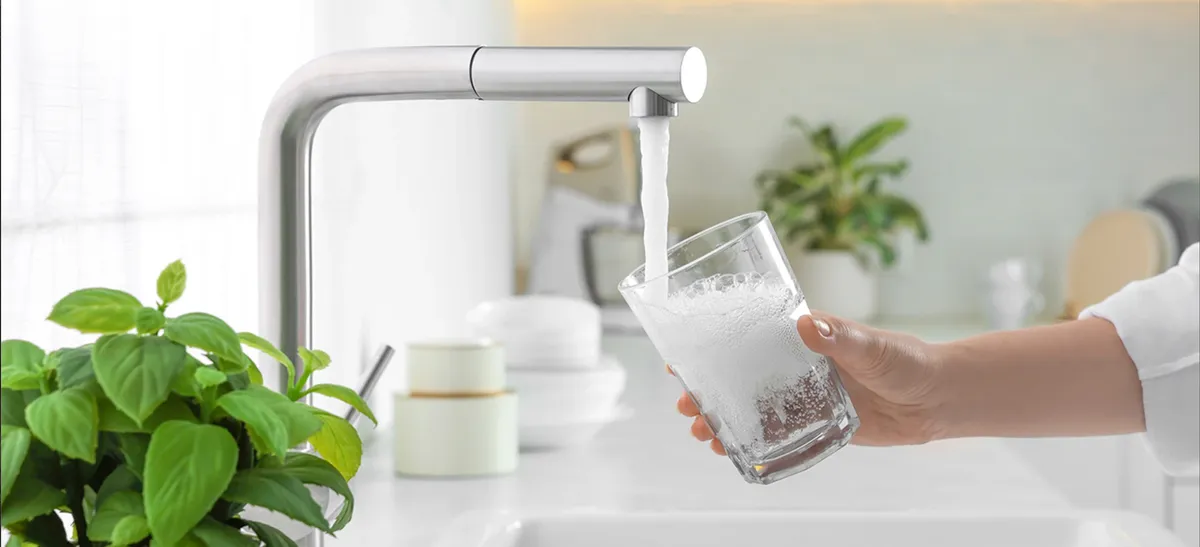
In your Athens apartment: drink freely from the tap
There is no need to buy bottled water for the apartment. Fill a jug, put it in the fridge and you have cold drinking water all day — free and plastic-free. The same goes for coffee, tea, cooking and ice cubes.
🌍 Mainland Greece — generally safe
- Thessaloníki: tap water is fully safe + drunk by locals. Sourced from Aliákmonas River + local reservoirs.
- Pátra, Vólos, Ioánnina, Lárisa: all major mainland cities have fully potable supplies.
- Smaller mainland towns + villages: usually safe; ask hotel/restaurant if uncertain.
- Mountain regions: spring + reservoir water; clean + cold + delicious.
- Coastal mainland: same standards apply.
🏝️ Greek islands — the variation
The honest island situation
Most Greek islands have safe tap water by EU standards, but taste varies considerably. Many smaller + drier islands rely on desalinated seawater + tankered supplies; the result is technically potable but often tastes mildly salty or chlorinated. Locals on these islands typically buy bottled water for drinking even though tap is safe. As a tourist, decision is taste-based, not safety.
🏝️ Island-by-island reality
Crete (large)
Excellent water — mountain springs + reservoirs. Drinking tap is fine + tastes good throughout.
Corfu, Rhodes, Lesvos
Larger islands with reliable + fresh water sources. Drink tap.
Santorini, Mykonos, Páros
Desalination-reliant. Tap is safe but mildly salty. Locals drink bottled. Cooking + brushing teeth fine.
Smaller Cyclades + Dodecanese
Variable. Often desalinated. Ask host or accept bottled water culture.
🚰 Public drinking fountains
- Athens has many public fountains: Acropolis area, parks, plazas, metro stations. Free + safe to drink/refill.
- Modern bottle-filling stations: increasingly common in tourist areas.
- Mountain springs: throughout Greece + clearly marked. Cold + delicious.
- Roman + Hellenistic fountains: some still flow with potable water (Athens has ancient + Ottoman fountains restored).
🍶 Bottled water — when worth it
- 🏝️ On certain islands where desalination affects the taste — Santorini, Mykonos, Paros and others.
- 🤍 If you have a sensitive stomach and have just arrived, until you feel comfortable.
- 🚶 For convenience while out and about if there is no refill option nearby.
- 🍳 For cooking (rarely necessary — tap water is fine for most cooking).
- 💶 Cost: cheap at the supermarket, noticeably pricier at tourist spots and restaurants.
- 🇬🇷 Greek brands: Zagori, Avra, Vikos, Korpi, Samaria, Theriso, Loutraki and more are easy to find — all natural mineral or table waters of tested quality.
Bottled water — sizes and packs
What you will see on the shelf · from the kiosk bottle to the supermarket six-pack
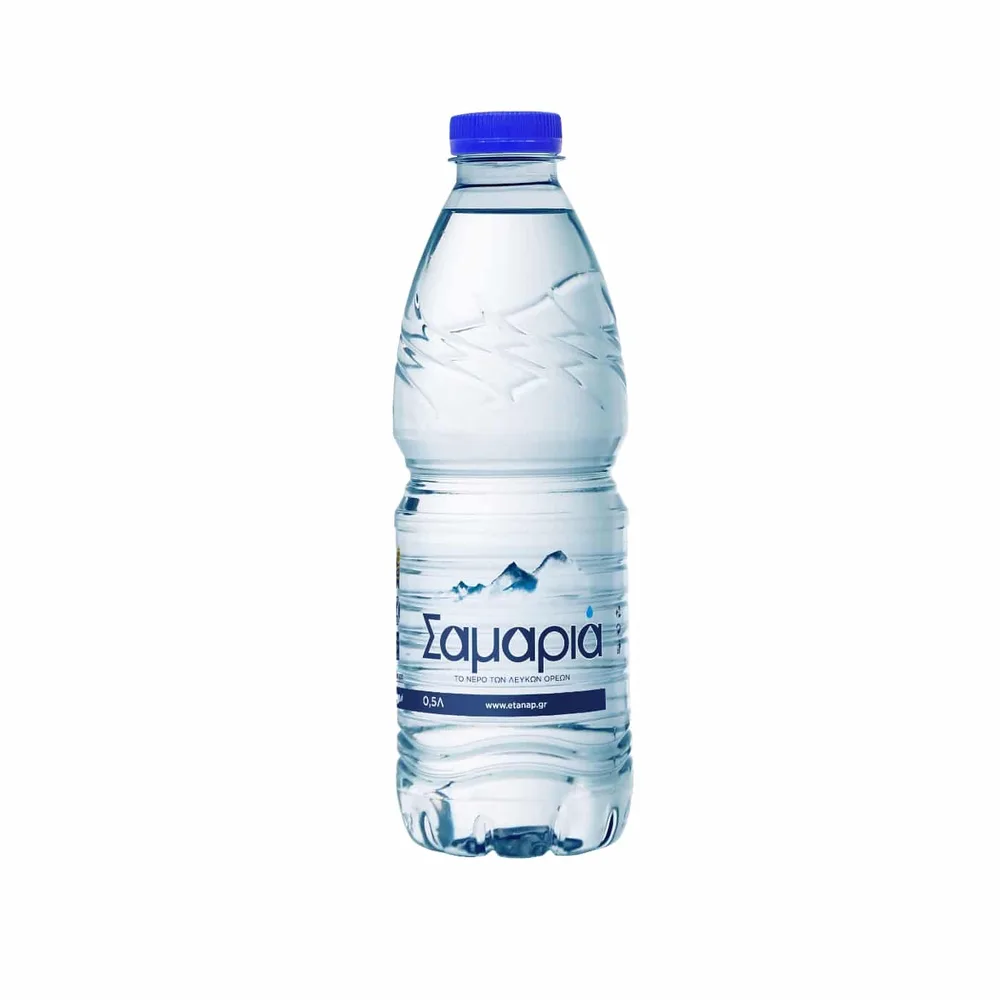
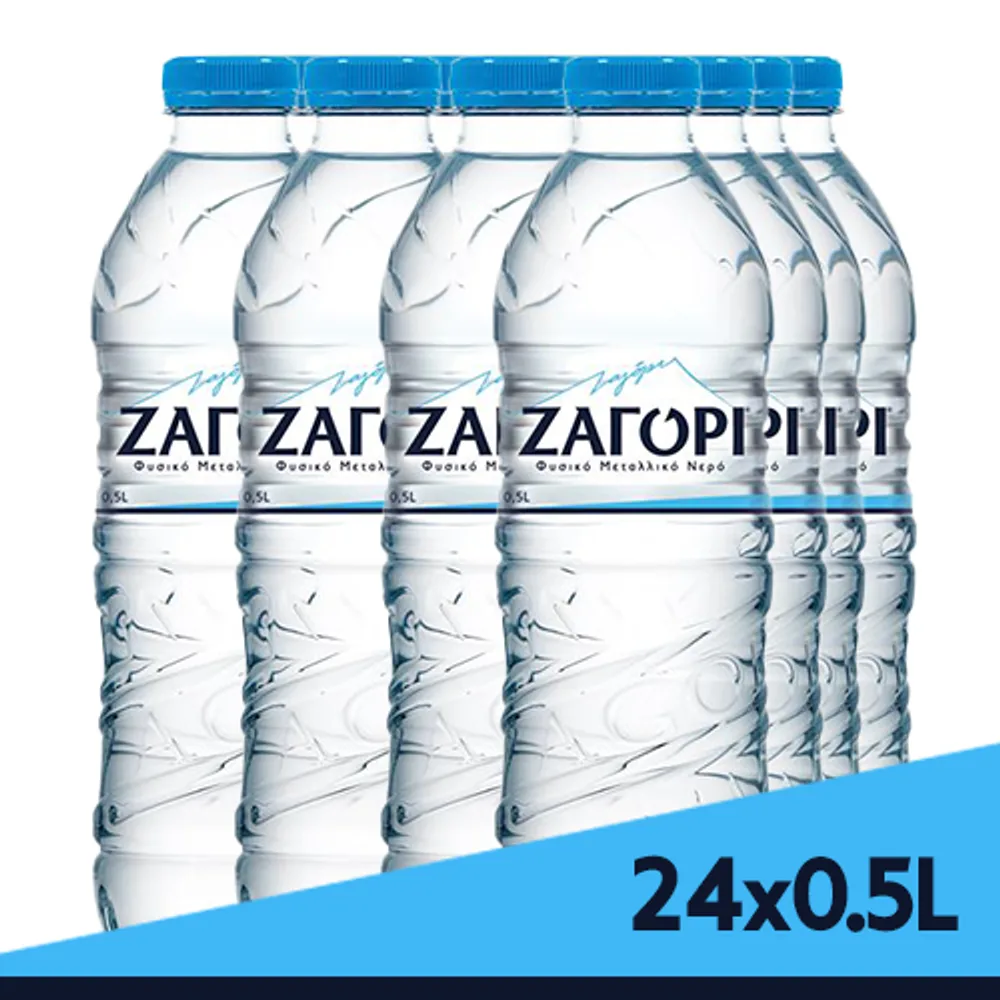
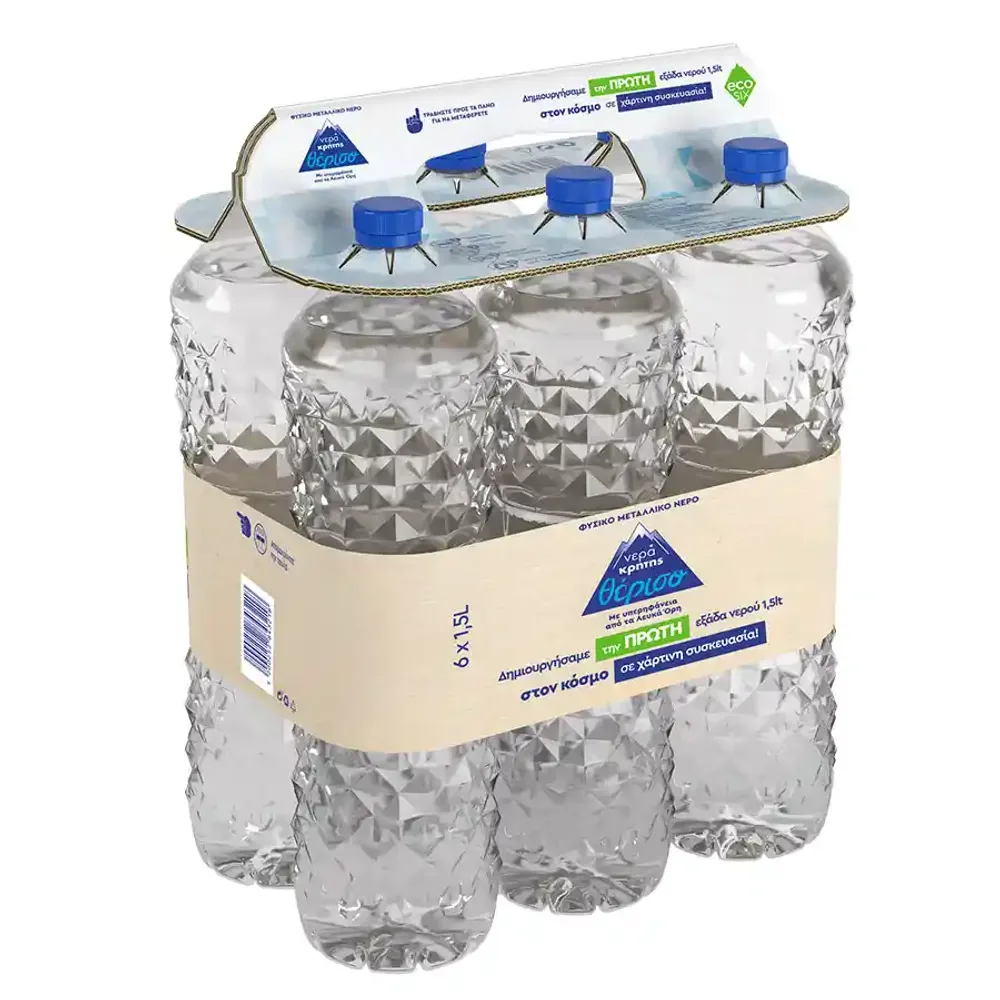
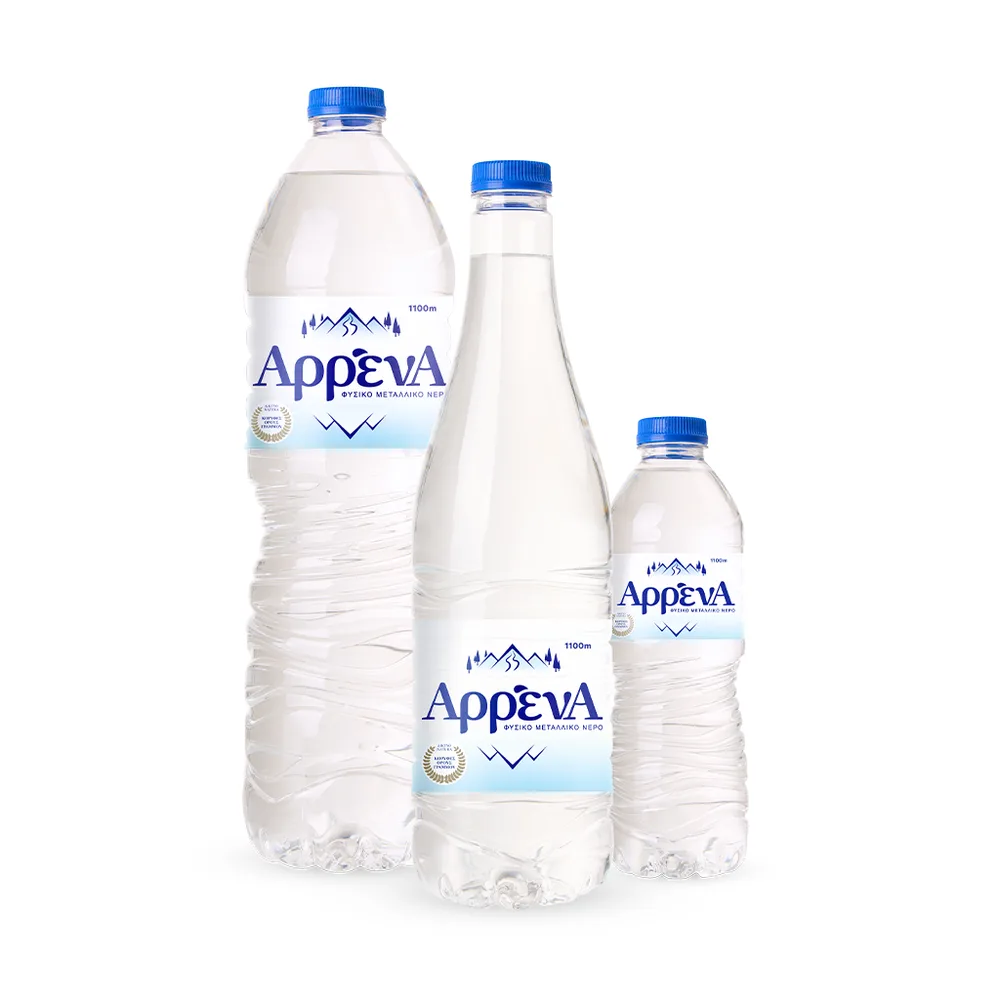
🧴 0.5 L bottle — €0.50 at any kiosk (legal price cap)
💶 Bottled water prices — where it pays off
Bottled water in Greece is among the cheapest in Europe — if you buy it in the right place. The difference between a supermarket, a kiosk and a tourist spot can be 5 to 10 times. Indicative prices for 2026:
| Pack | 🛒 Supermarket | 🏪 Kiosk / mini market | 🏛️ Tourist spots / canteens |
|---|---|---|---|
| 0.5 L (1 bottle) | €0.20 – 0.35 | €0.50 price cap | €0.50 (capped, but not always respected) |
| 6 × 0.5 L (six-pack) | €1.20 – 2.00 ≈€0.20/bottle | €2.50 – 3.50 | — |
| 0.75 L / 1 L | €0.40 – 0.70 | €1.00 – 1.50 | €1.50 – 3.00 ⚠️ |
| 1.5 L (1 bottle) | €0.40 – 0.80 | €1.00 – 1.50 | €2.00 – 3.00 ⚠️ |
| 6 × 1.5 L (six-pack) | €2.50 – 4.50 ≈€0.60/bottle | €5.00 – 7.00 | — |
📌 Indicative retail prices. The €0.50 cap is set by law only for 0.5 L bottled water at every point of sale (kiosks, canteens, snack bars, beaches).
Watch out for the 700–800 ml “trick”
The €0.50 cap covers only the half-litre bottle. Some sellers at tourist spots put 700–800 ml or 1 L bottles up front — which have no cap — and charge €1.50 – €2.00, i.e. two or three times the price for a little more water. Check the label: if it says 500 ml / 0.5 L, the legal price is €0.50. If they ask for more, you can politely decline.
The cheapest option
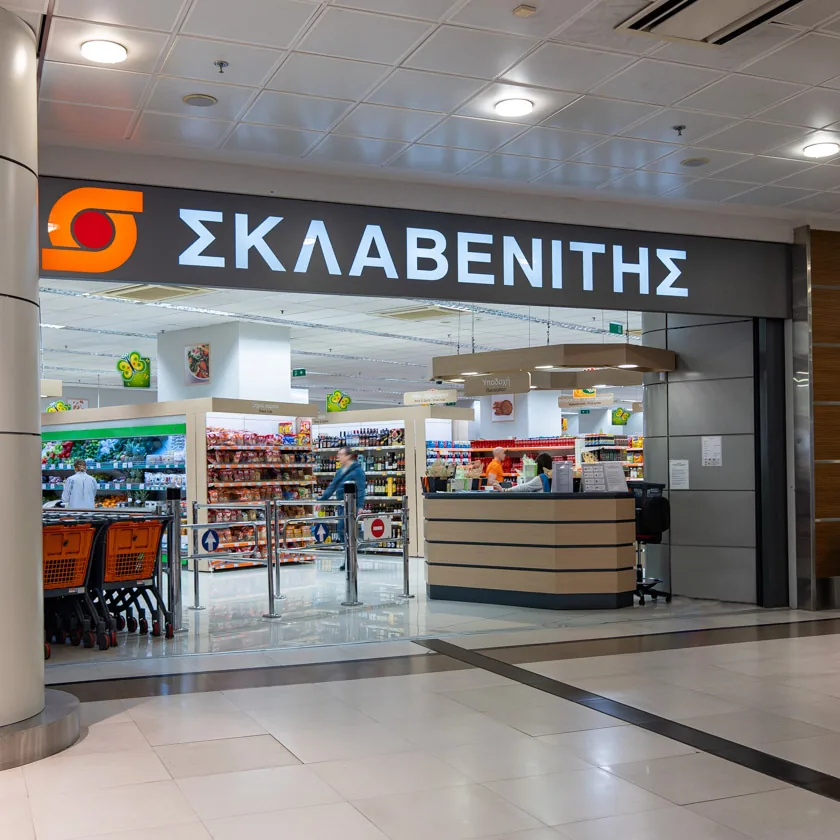
A six-pack of 0.5 L from a supermarket (Sklavenitis, AB, Lidl, My Market, Masoutis): ≈€0.20 per bottle. Put them in the apartment fridge and take one or two with you every time you go out.
Got a reusable bottle?
Buy large 1.5 L bottles (or a 1.5 L six-pack) from the supermarket and refill your bottle. Even cheaper per litre and less plastic. In Athens, of course, you can also refill straight from the tap.
Out and about with no water?
Look for a kiosk (periptero) — there is one on almost every corner and they always sell cold 0.5 L water for €0.50. It is the safest, fairest price when you are out.
What to avoid
Canteens outside sights, street vendors and beach bars for large bottles — there a 1.5 L reaches €2 – €3. If you have no choice, ask for the 0.5 L at €0.50.
📊 At a glance
Athens: drink tap
Fully potable, tested daily, free, refillable everywhere.
Mainland: safe
Thessaloniki, Pátra, etc. — drink tap confidently.
Islands: varies
Crete + larger islands fine. Cyclades + dry islands often salty taste.
Bottled
≈€0.20/bottle in a supermarket six-pack · €0.50 for 0.5 L at a kiosk · pricier at beaches, sights and restaurants.
♻️ Environmental considerations
- Greece's plastic bottle problem is serious — beaches + roadsides accumulate them.
- Reusable bottle: 1-2L stainless steel or glass. Refill from hotel + restaurants + fountains.
- Filter bottles (Lifestraw, Brita Filter Bottle): give peace of mind on questionable supplies.
- Greek hotels increasingly providing filtered water dispensers + refillable glass bottles in rooms (not plastic).
- Recycle properly: yellow bins for plastic recycling in Greece.
💧 Restaurant water
- Asking for "tap water" (νερό βρύσης / neró vrýsis): legal + free in Greek restaurants. Some restaurants serve carafe of cold tap water automatically.
- Bottled water service: restaurant default; €1-€4 per bottle. Acceptable to refuse.
- Children + elderly: tap fine; same standards.
- No special concerns about restaurant ice: made from same supply.
🤒 Stomach issues — actual causes
- Most "Greece stomach" complaints aren't water-related — they're food (raw seafood, spicy unfamiliar dishes, dairy, oily food in heat).
- Travel-induced stress + jetlag contributes more than water.
- Heat + dehydration often misread as stomach issue.
- If genuinely concerned: bottled first 1-2 days while adjusting. Then tap.
📅 Practical tips
- Refillable bottle + refill at hotel breakfast room or tap.
- Jug in the fridge: fill it from the tap in the evening and in the morning you have ice-cold water for the whole family — at no cost.
- Summer heat (35–40 °C): allow 2–3 litres of water per person per day. Take water with you before climbing the Acropolis or Lycabettus.
- Hotel room kettle: boil water if extra cautious; gives plain hot water for tea/coffee.
- Pharmacy: oral rehydration salts (electrolytes) if upset stomach + dehydration.
- Public fountains: refill confidently; clearly marked + safe.
- Hiking + remote: filter bottle gives security on rural springs.
🌊 Sea + swimming pool water
- Sea water: Greek beaches consistently rank among Europe's cleanest. Blue Flag programme certifies many.
- Don't drink sea water obviously — saltiness + bacteria.
- Swimming pools: chlorinated; safe for swimming. Don't drink.
- Thermal springs (Thermopylae, Loutráki, Edipsós): mineral hot springs widely visited; bathing safe.
🎯 What NOT to do
- Don't waste money on bottled water in Athens — tap is excellent.
- ⚠️ Don't pay more than €0.50 for a 0.5 L bottle — that is the legal maximum price. Check that the bottle really is 500 ml and not 750 ml or 1 L.
- Don't carry empty bottles back to hotel — refill on go.
- Don't believe "Greek water makes you sick" stereotypes — they're outdated.
- Don't bring water purifier tablets — completely unnecessary in Greece.
- Don't buy bottled water from beach vendors at €5 — supermarkets sell same for €0.50.
🏠 Water at Angel Athens (Ioulianou 50)
Angel Athens at Ioulianou 50 is on Athens' central water network, so the tap water is fine for drinking and cooking. Fill your bottle before heading out, especially in summer. If you prefer bottled water, you will easily find supermarkets and kiosks around Patission Street and Victoria Square, all within 2–5 minutes on foot. Grab a six-pack from the supermarket on your first day, put it in the fridge and you are covered for the whole stay.
🛒 Shop local: the two supermarkets of our neighbourhood
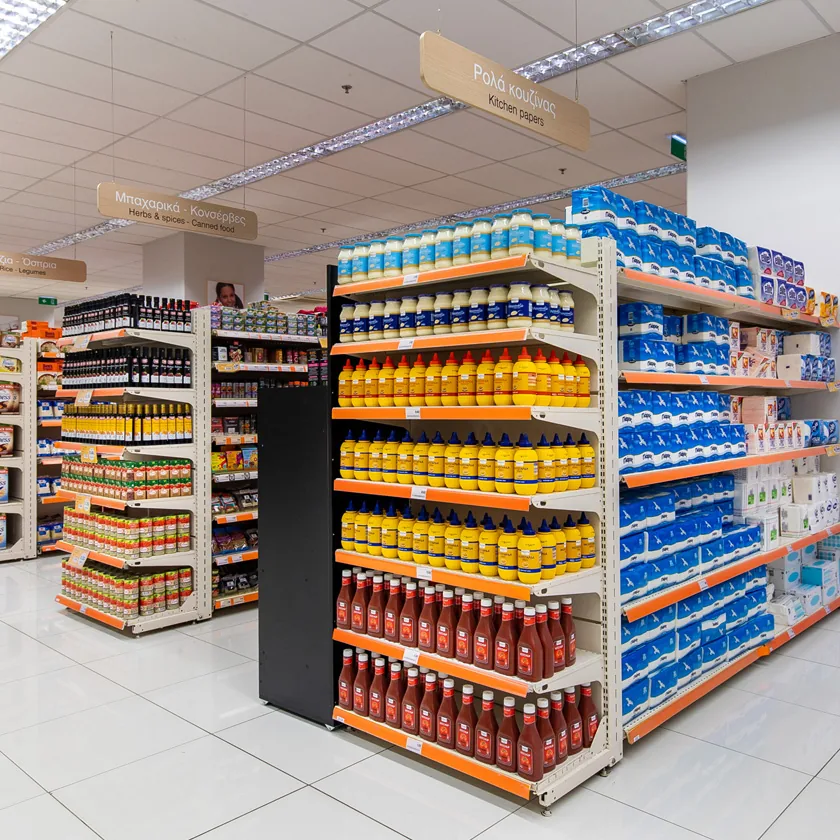
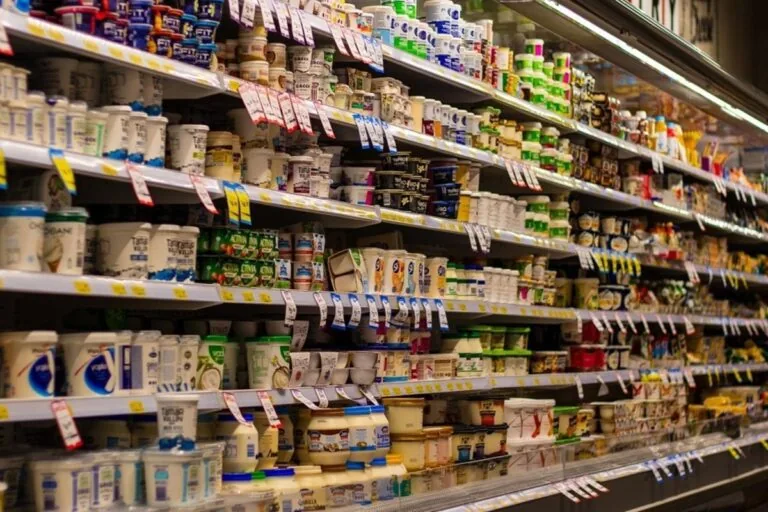
The surest and cheapest way to stock up on water is to do what the locals do: shop at the two big supermarkets on our street and around the corner. They are chains with fixed, displayed prices, a receipt for every purchase and a wide range of Greek waters — here you will find the 0.5 L six-pack for ≈€1.20–€2.00 and large 1.5 L bottles from €0.40. Pick up fruit, yoghurt or breakfast for the apartment in the same trip and you will have saved a good few euros compared with the tourist spots.
 ~2 min walk
 Sklavenitis (supermarket)
Large supermarket on the same street as the apartment — groceries, bakery, dairy and an entire aisle of Greek waters in six-packs and large formats. The most economical choice for the weekly shop.
 ~2 min walk
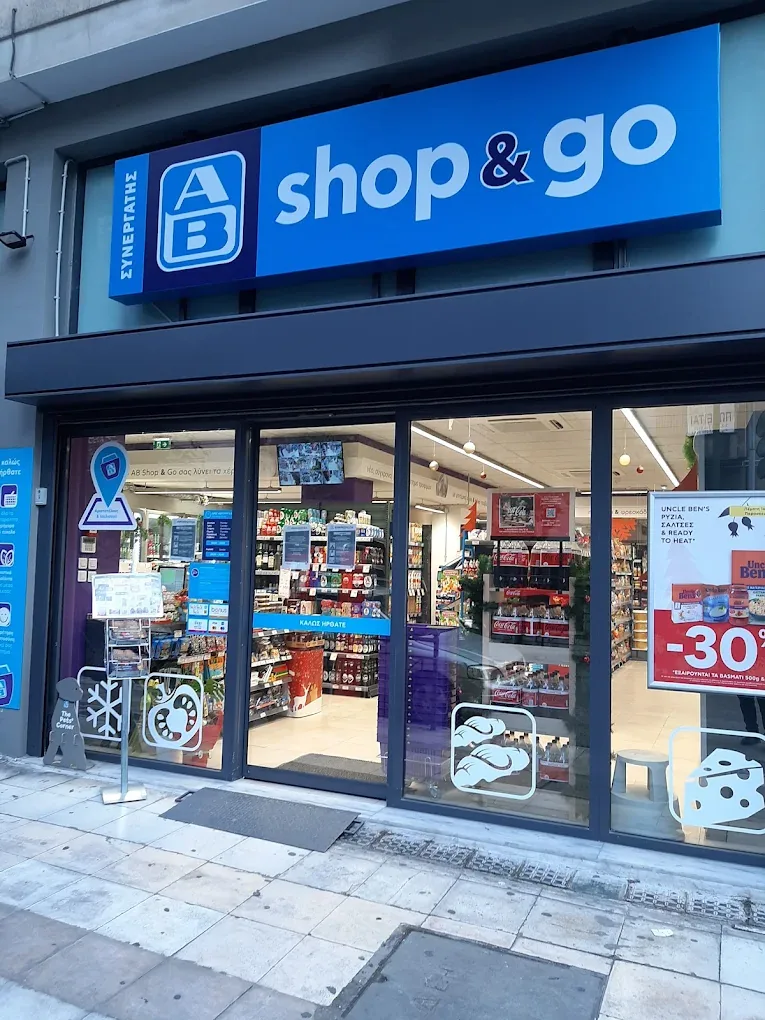
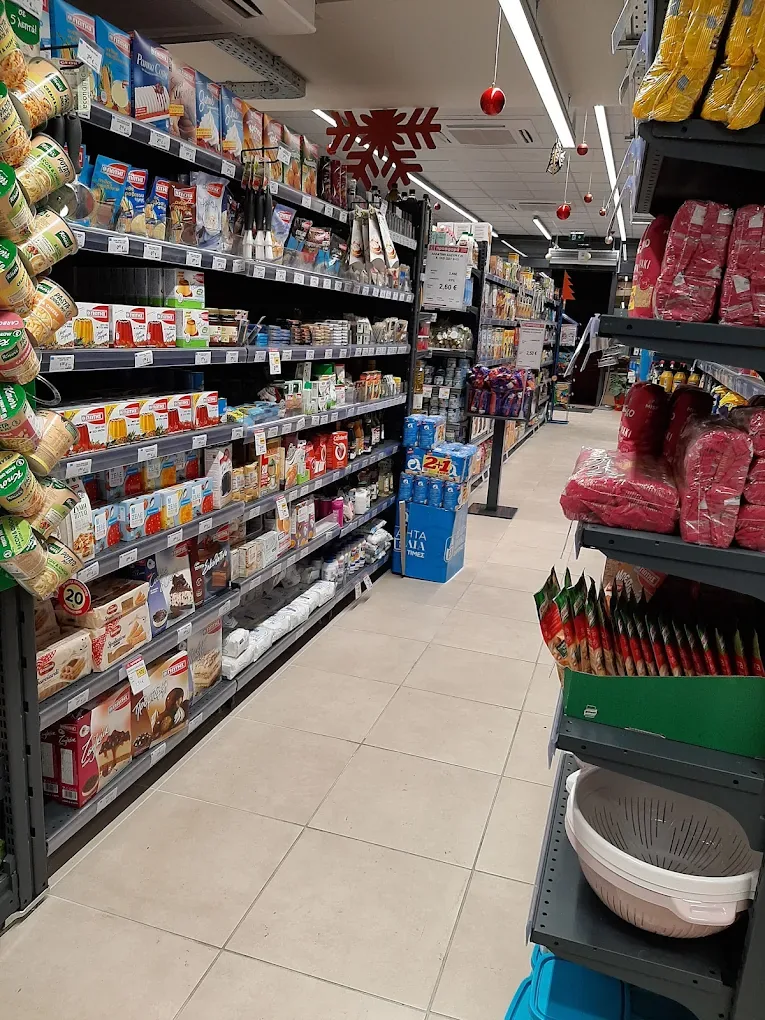
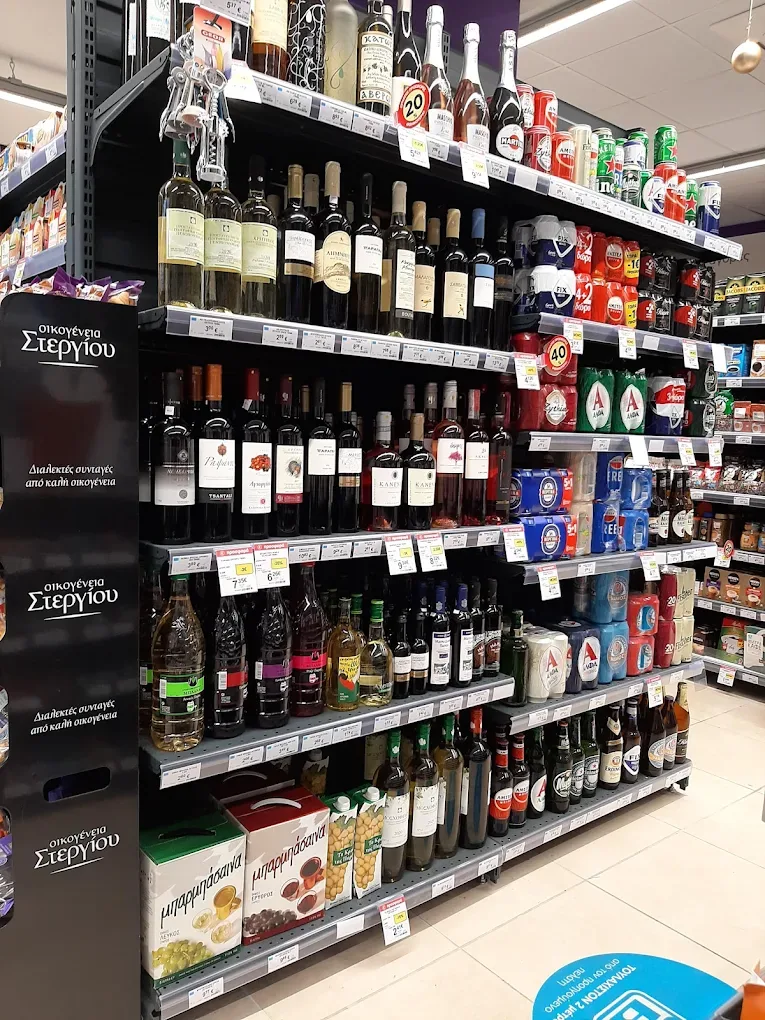
 AB Shop & Go (supermarket)
Neighbourhood store of the AB Vassilopoulos chain with long opening hours — open on Sundays and until late in the evening. Ideal for grabbing cold water and essentials when you arrive or return late from a day out.
See all the shops and services of our neighbourhood
🎯 FAQ
Is Athens tap water actually safe?
Yes, fully. EYDAP provides EU-standard water. Athenians drink it routinely.
Will tap water make me sick?
Almost certainly no. Most "Greek stomach" issues are food + heat + travel stress, not water.
Should I buy bottled water on Santorini?
Yes if taste matters — desalinated water is salty. Tap is safe but mildly unpleasant.
What about ice in drinks?
Made from local supply; same safety as the supply.
Brushing teeth with tap?
Fully fine in Athens + mainland + larger islands. Even on Santorini (just slightly salty).
Where can I refill water bottles?
Hotels, restaurants (just ask), public fountains, museums (often have fountains), sometimes free at cafés.
How much does a bottle of water cost in Athens?
The 0.5 L has a legal cap of €0.50 at kiosks, canteens and snack bars. At the supermarket, in a six-pack, it drops to ≈€0.20 per bottle. A 1.5 L costs €0.40–€0.80 at the supermarket and about €1 at a kiosk.
Is it legal to charge me €1 for a small bottle of water?
Not if it is 0.5 L — the cap is €0.50. Be careful though: 700–800 ml or 1 L bottles have no cap and are often sold for €1–€2 at tourist spots. Always check the ml on the label.
Sources:
— Kathy