🪪 The island at a glance
📍 Where it is
Agios Efstratios lies in the North Aegean, about 30 kilometres south of Limnos. Ferries come from Lavrio, in 8 to 10 hours, and from Limnos, in about an hour and a half. There is no airport, so many people fly to Limnos and continue by ferry.
📍 Where Agios Efstratios is
Agios Efstratios lies in the North Aegean, about 30 kilometres south of Limnos. The island is shown in red, and in green Lavrio, Limnos and Kavala, where the ferries come from.
🗺️ The map of the island
Agios Efstratios is hilly and dry, with hills, gullies and few trees. It has just one village, around the harbour on the north-west coast, and a few dirt roads. The beaches on the west coast are reached on foot or by boat, and Alonitsi, on the east coast, by dirt road. Most of the island is a protected Natura area.
🗺️ Map of Agios Efstratios
Agios Efstratios is hilly, with just one village on the north-west coast. South of the village, along the west coast, lie the beaches, from Agios Antonios to Trypiti. On the east coast are Alonitsi and the Velia islets. Tap each number to see what it is.
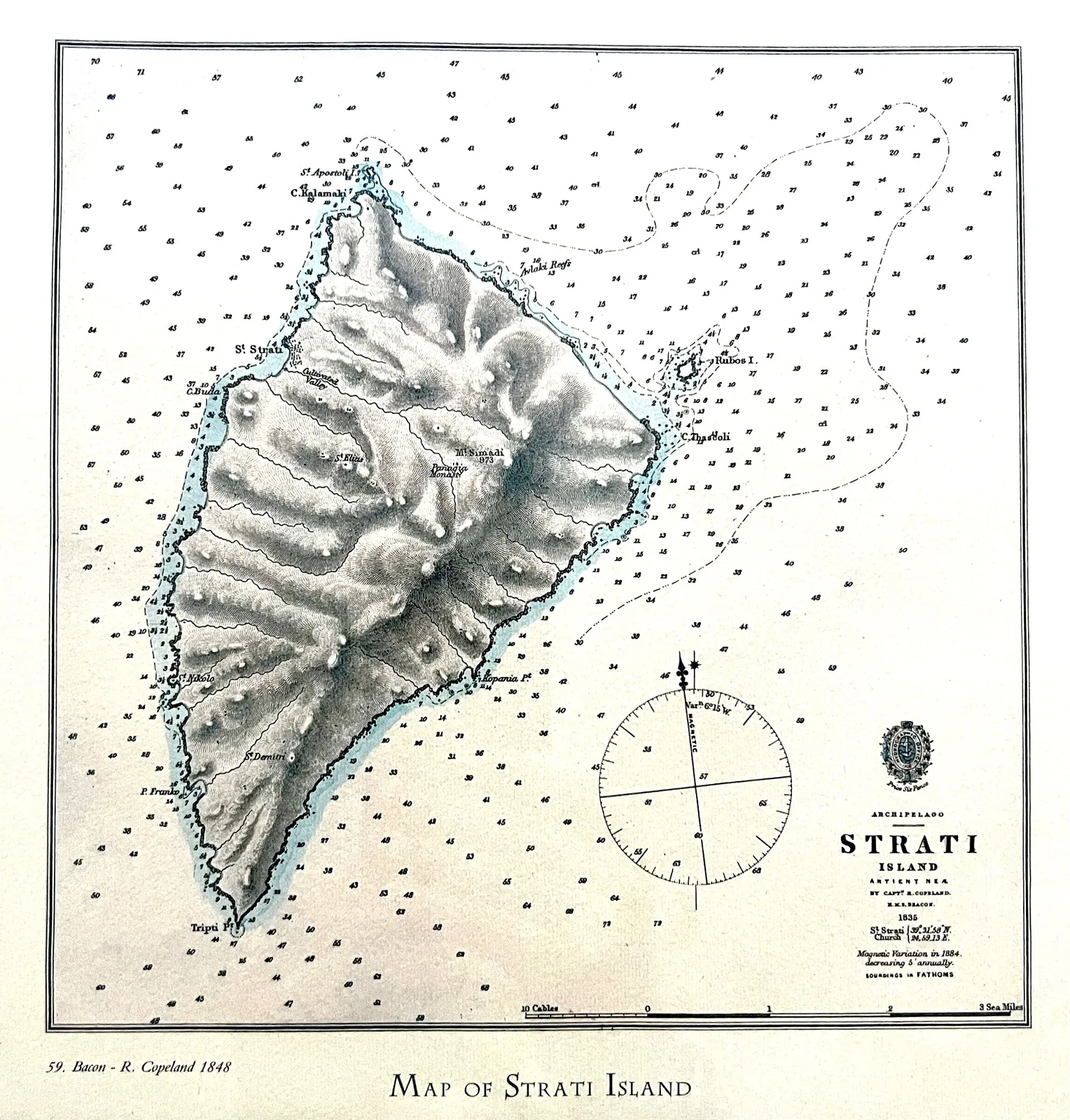
Map: Richard Copeland (Public domain) · Wikimedia Commons
⚖️ Is it worth it? The pros and cons
Agios Efstratios is for people who truly want to get away and discover a piece of history. Here is an honest picture.
📊 At a glance, from 1 to 5
👍 The pros
- One of the most remote and peaceful islands in Greece.
- The Museum of Democracy and the story of the exiles.
- Empty sandy beaches, such as Alonitsi.
- Wild, protected nature and views as far as Mount Athos.
- Friendly locals and the pace of another era.
👎 The cons
- Difficult to reach, with few ferries a week.
- Few rooms and few shops.
- The village was rebuilt after the earthquake without its old character.
- Most beaches require walking or a boat.
🏘️ The village and its history
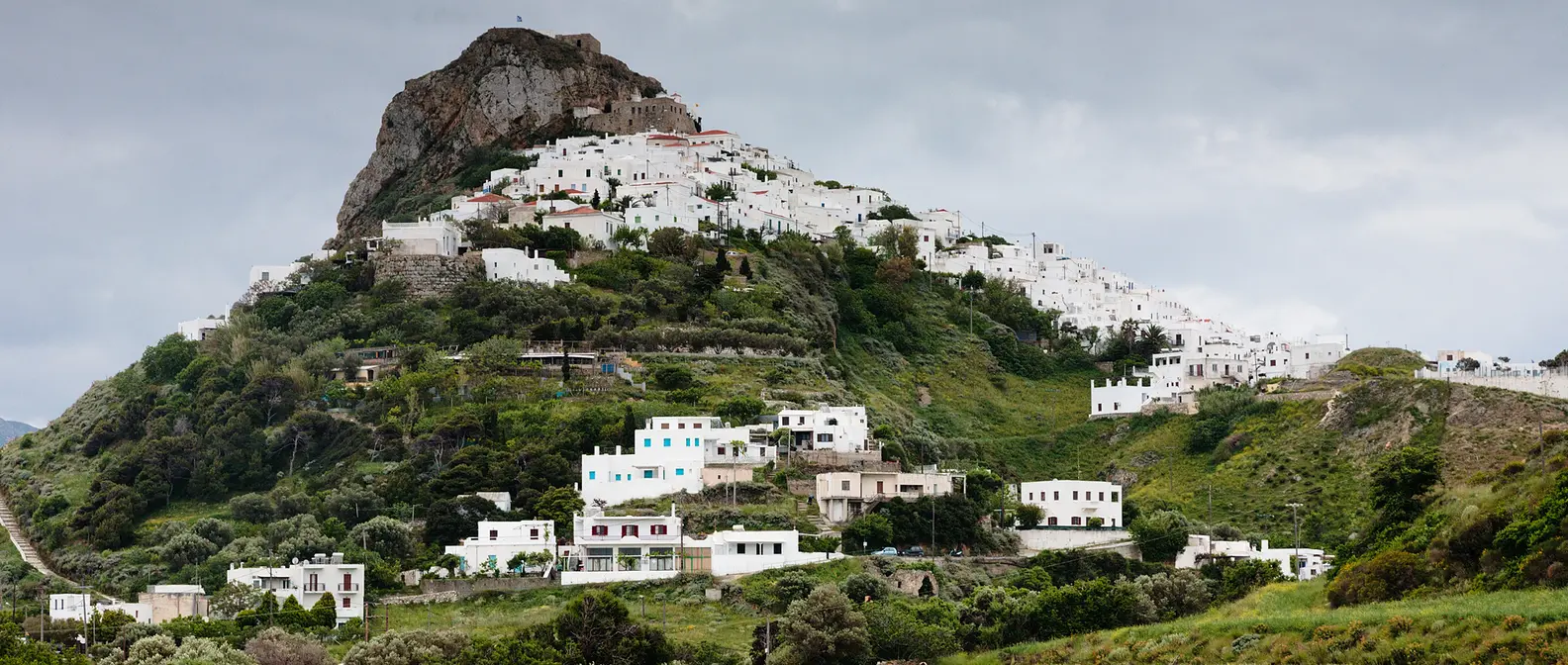
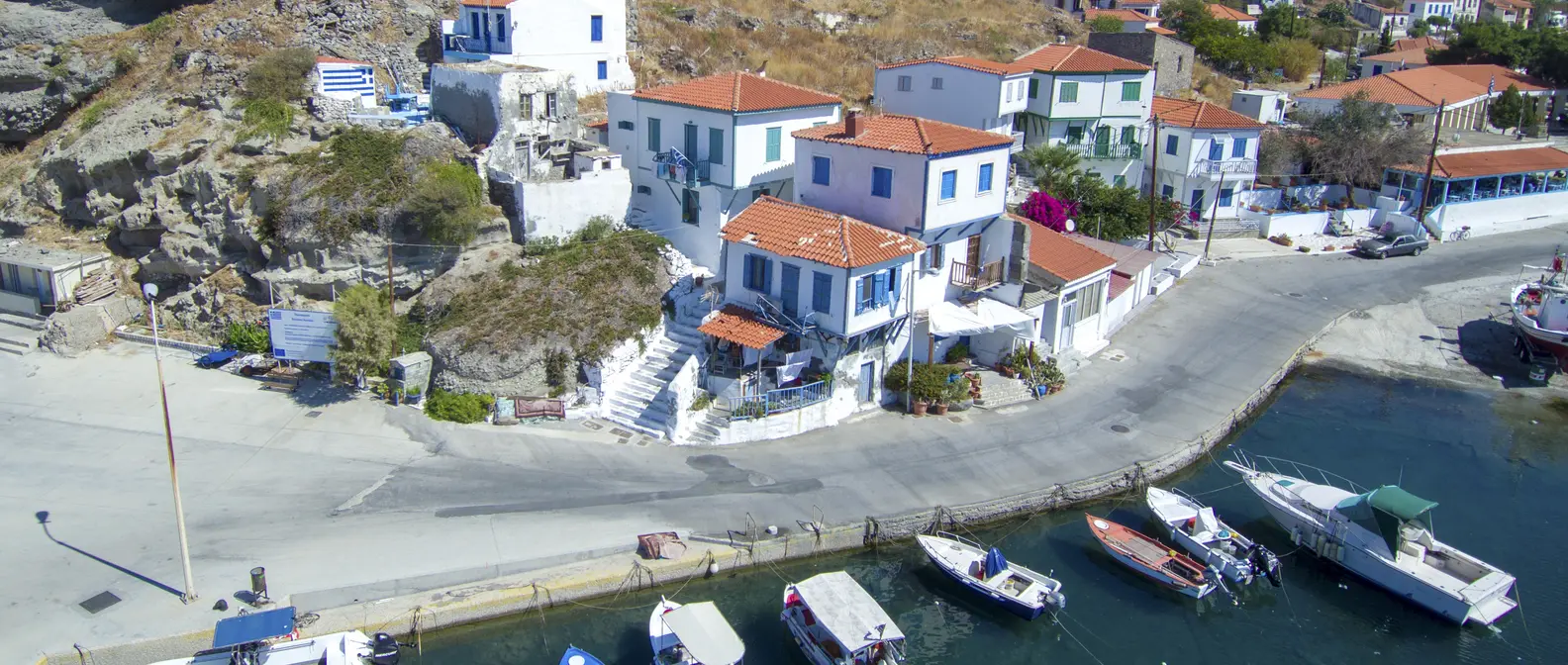
The village spreads around a bay, with the harbour, a few tavernas, cafés and a mini market. On 19 February 1968 a strong earthquake destroyed much of it, and the junta rebuilt it with simple concrete houses instead of repairing the old ones. A few two-storey houses with tiled roofs still stand on the hillside, a reminder of how it once looked.
From the 1920s to the 1960s, Ai Stratis was a place of exile for thousands of political prisoners, among them poets and writers such as Yannis Ritsos. The Museum of Democracy, in an old stone building in the village, tells this story with photographs, letters and objects belonging to the exiles.
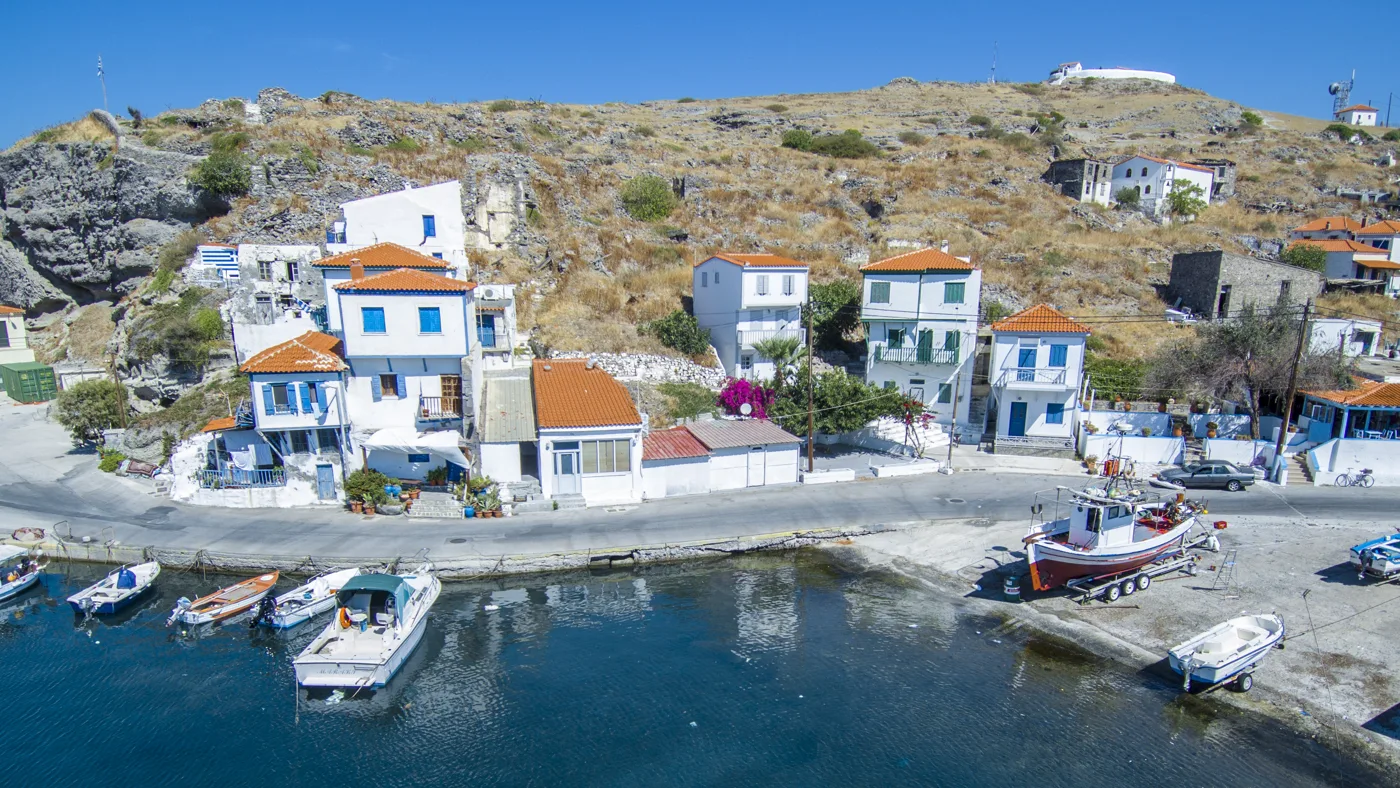
The houses above the boats.
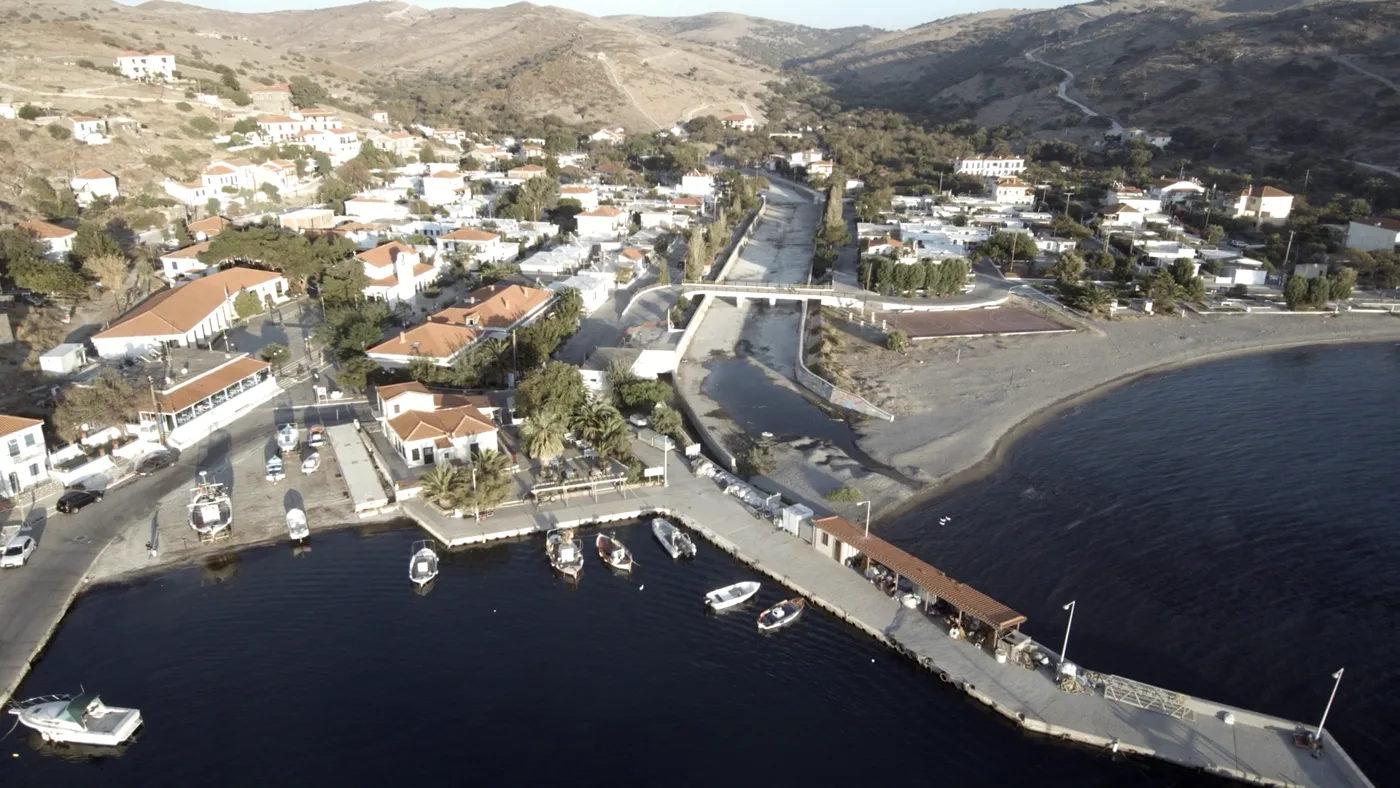
The village around the bay.
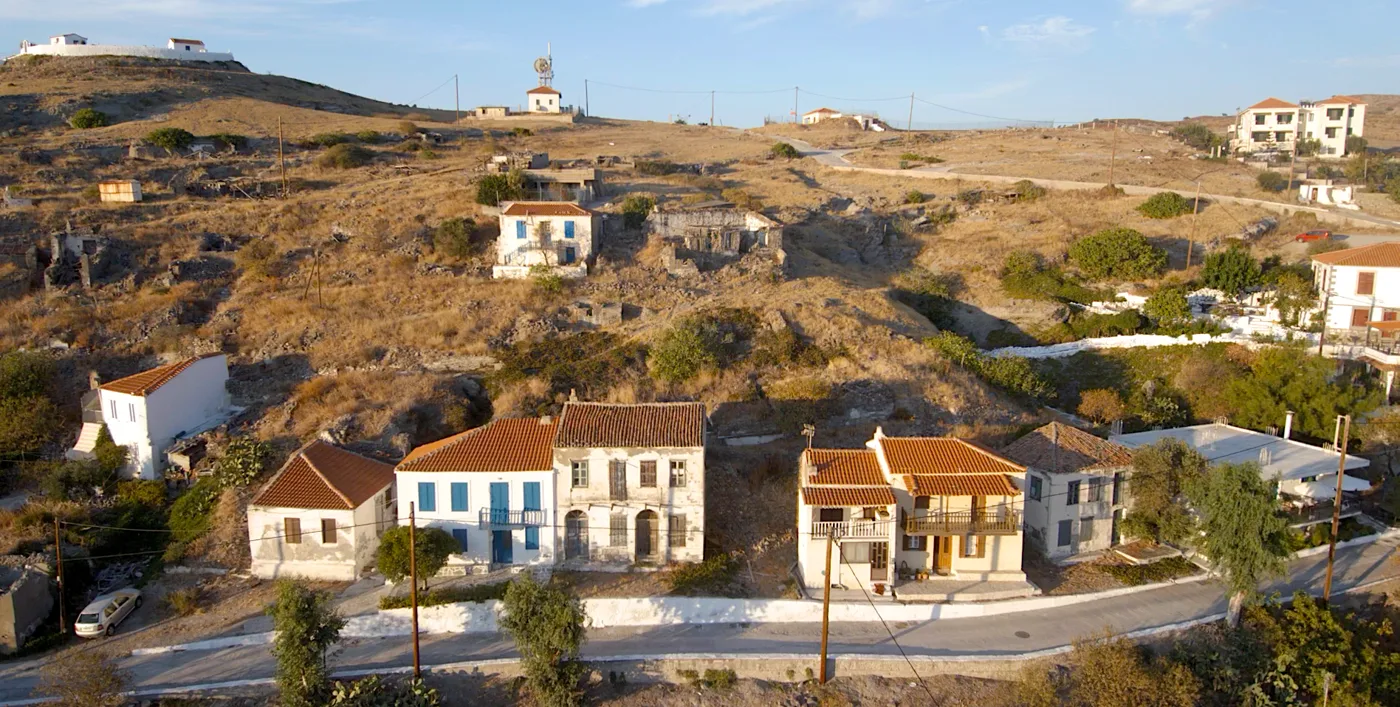
The ones that survived the earthquake.
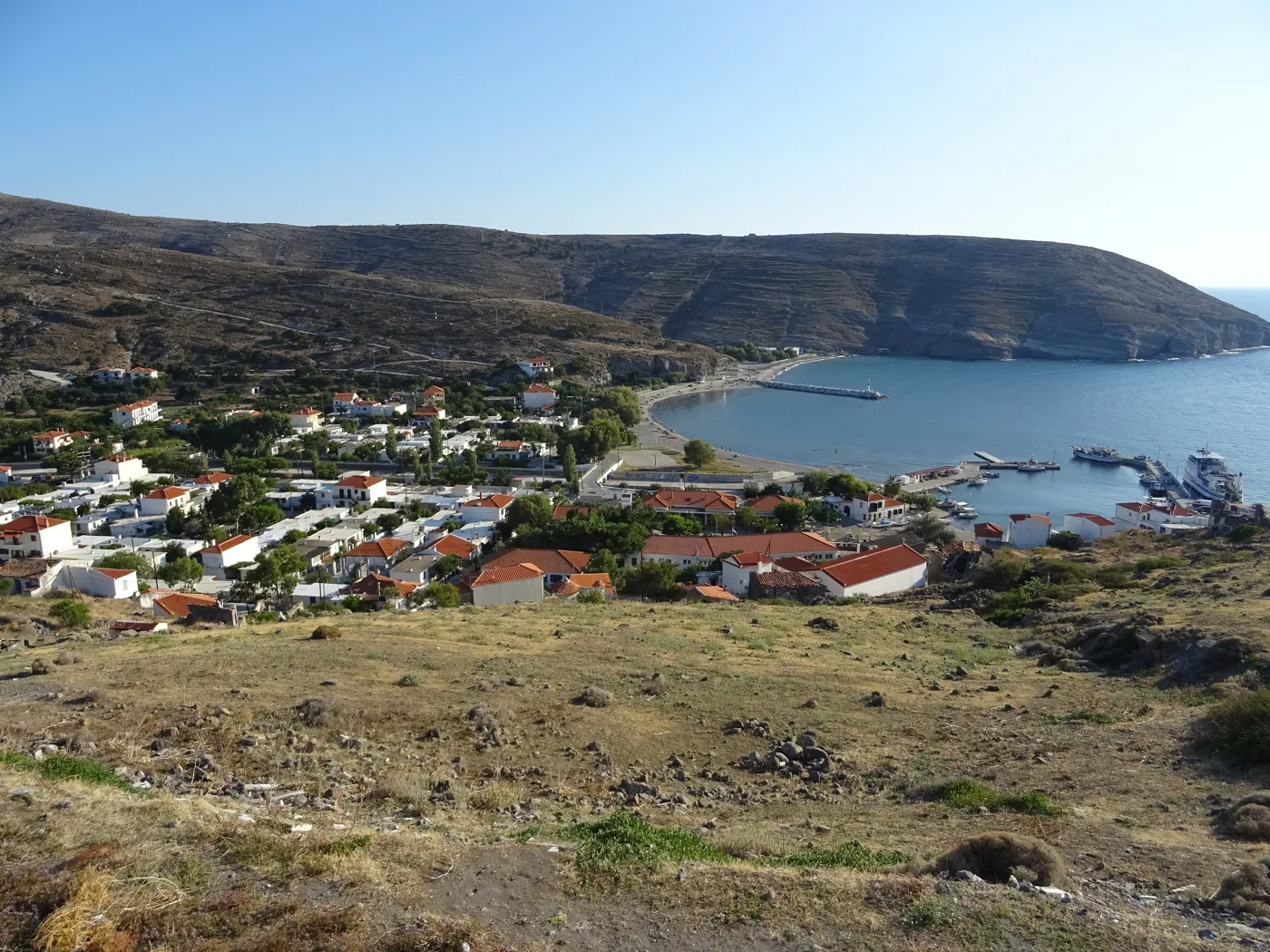
The bay of the harbour.
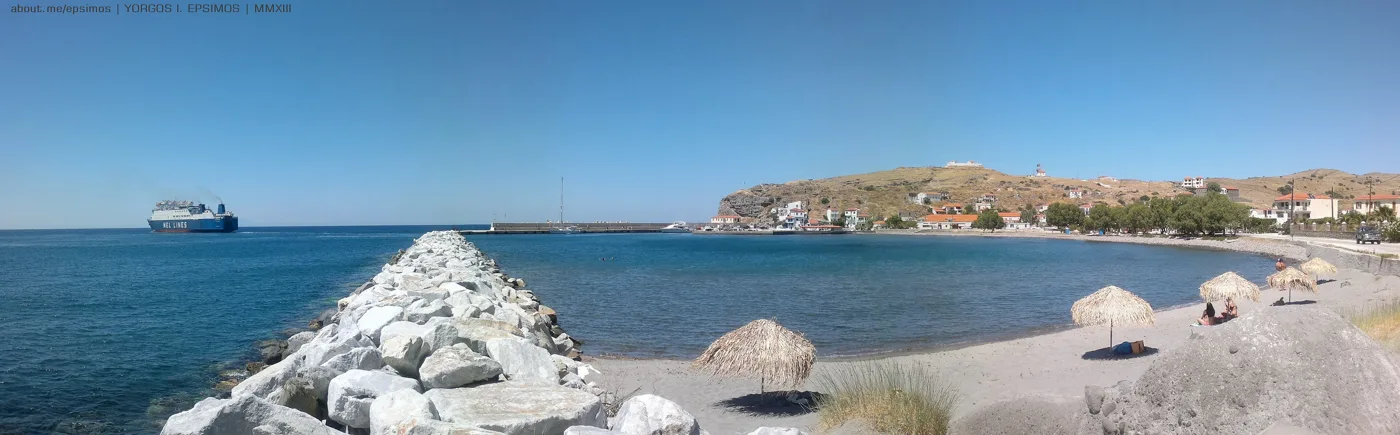
The ferry arrives.
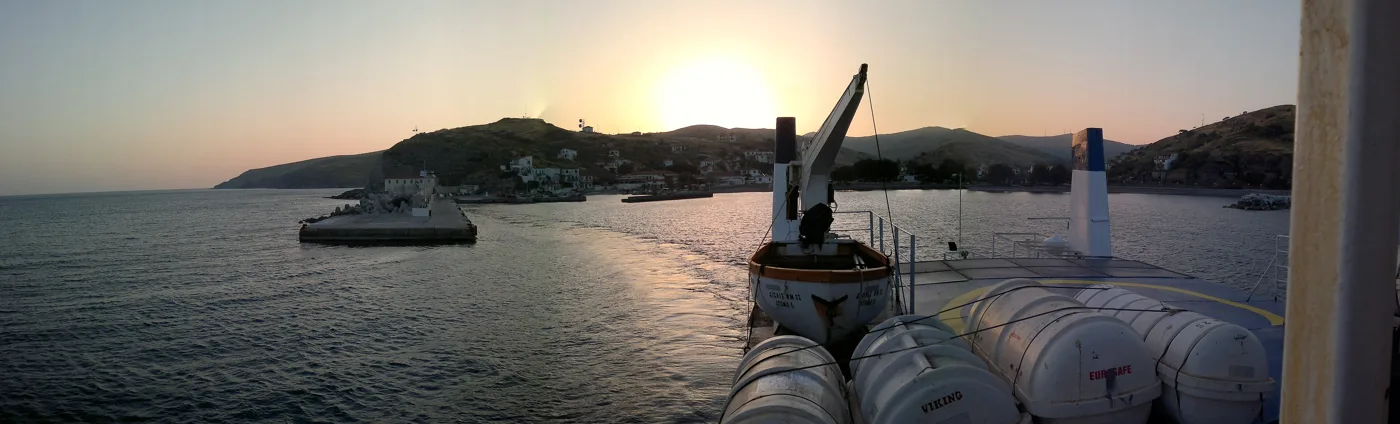
First light from the ferry.
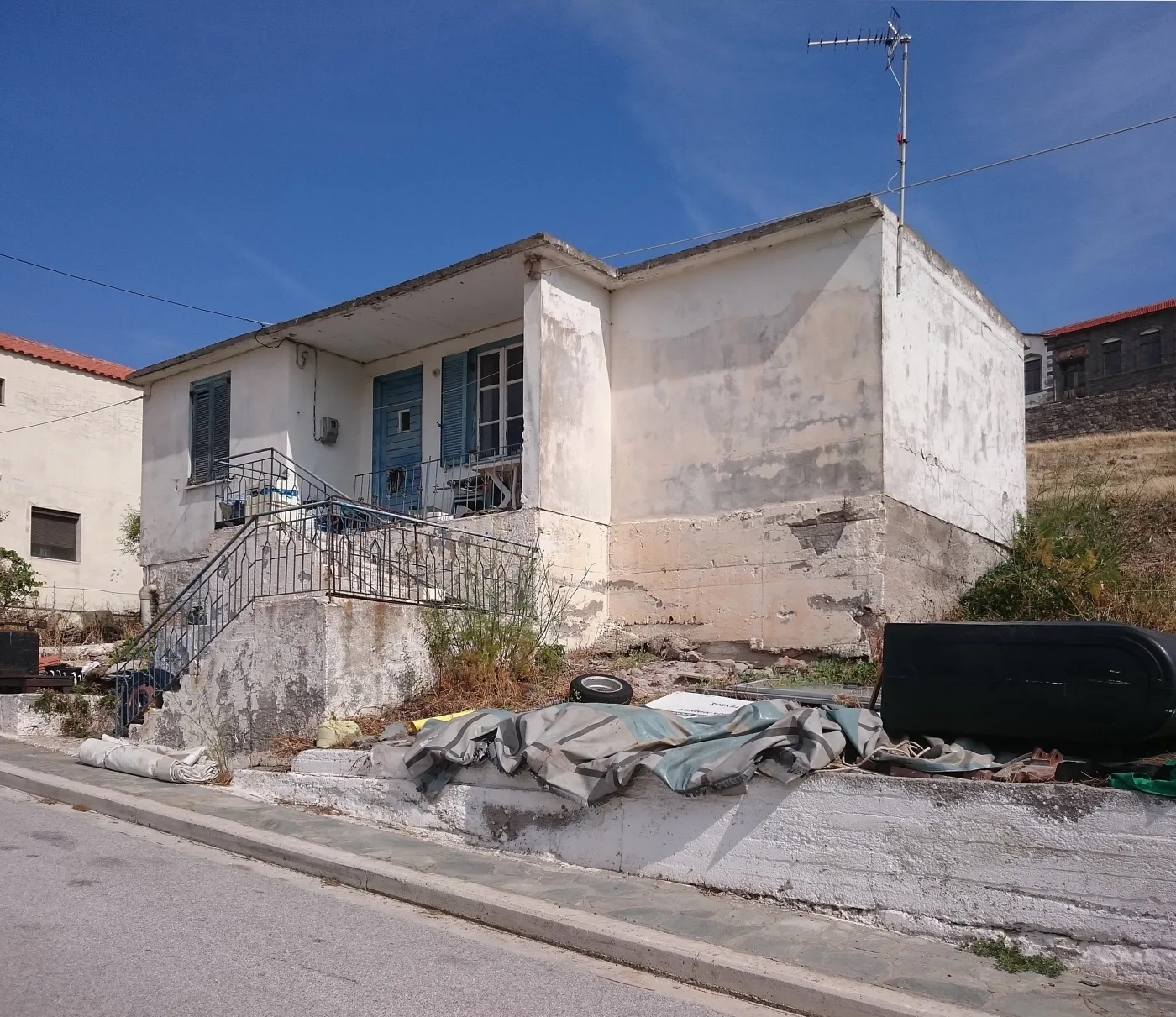
Built after the earthquake.
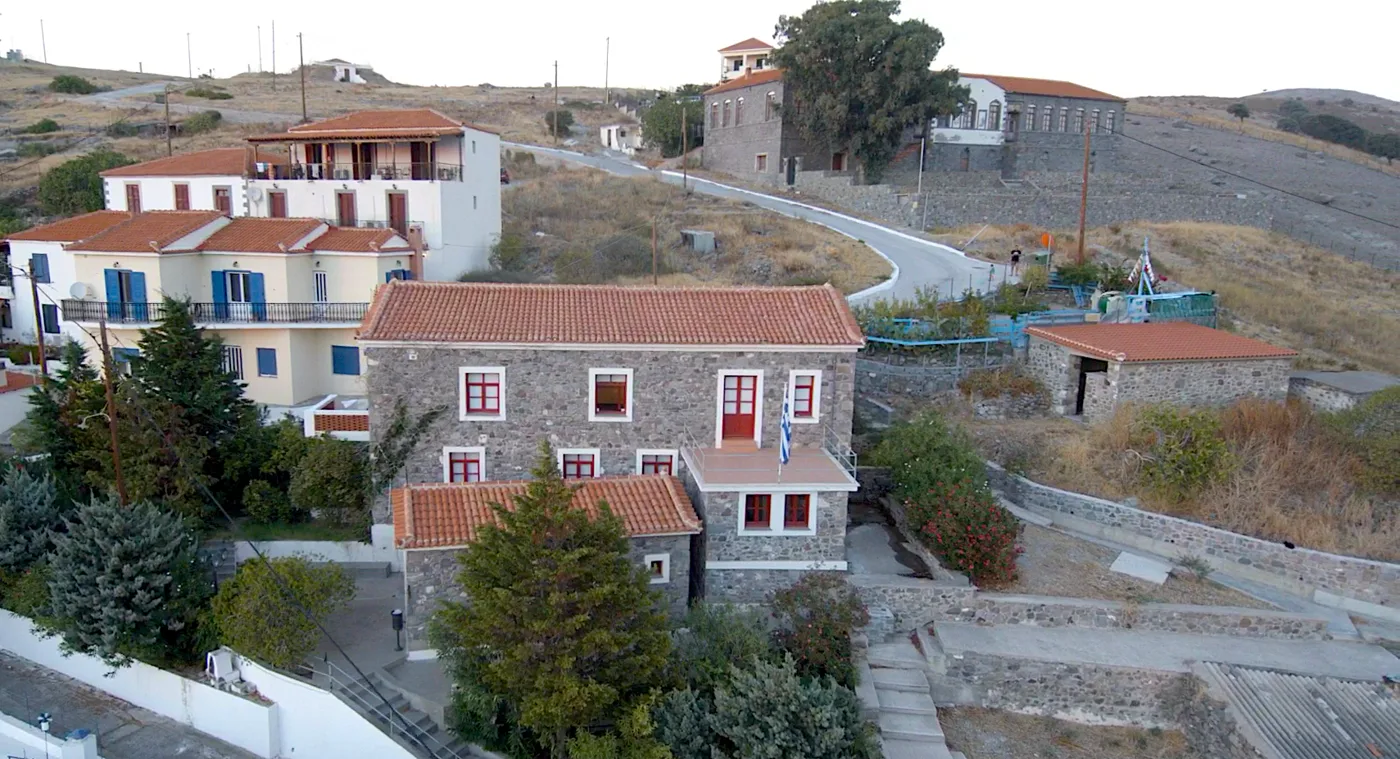
The memory of the exiles.
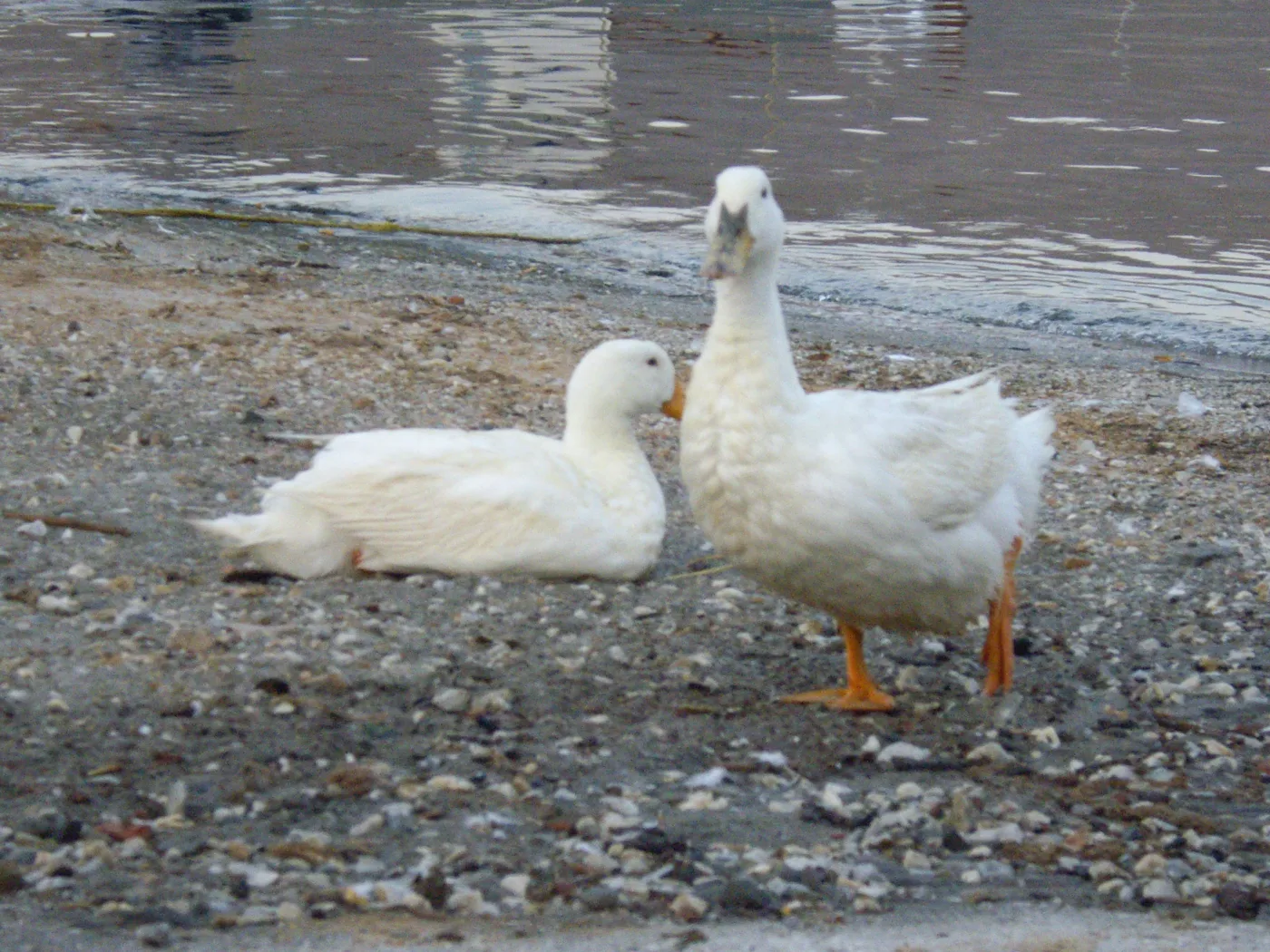
Residents of the harbour.
Photos: Athanasios Lampridis (CC BY-SA 4.0), AlkistiPiperou (CC BY-SA 4.0), Yorgos Iak. Epsimos (CC BY-SA 3.0), Art Grafix (CC BY-SA 4.0) · Wikimedia Commons
🏖️ Alonitsi
Alonitsi is the island’s biggest beach, a sandy beach a kilometre and a half long on the east coast, below cliffs carved by the wind. You reach it by dirt road from the village, and on most days you will be almost alone. There are no facilities at all, so take water, food and shade with you.
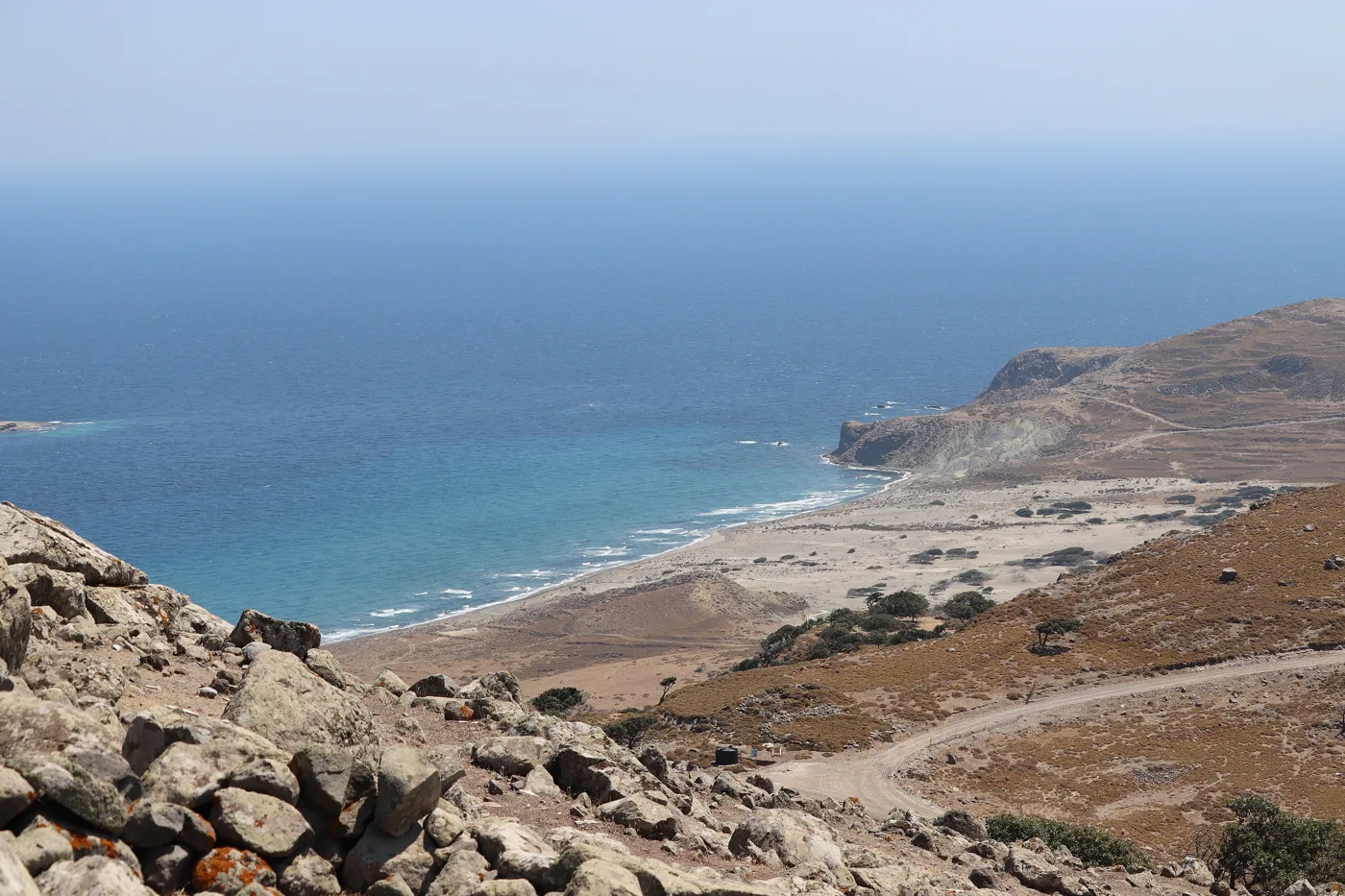
The biggest sandy beach.
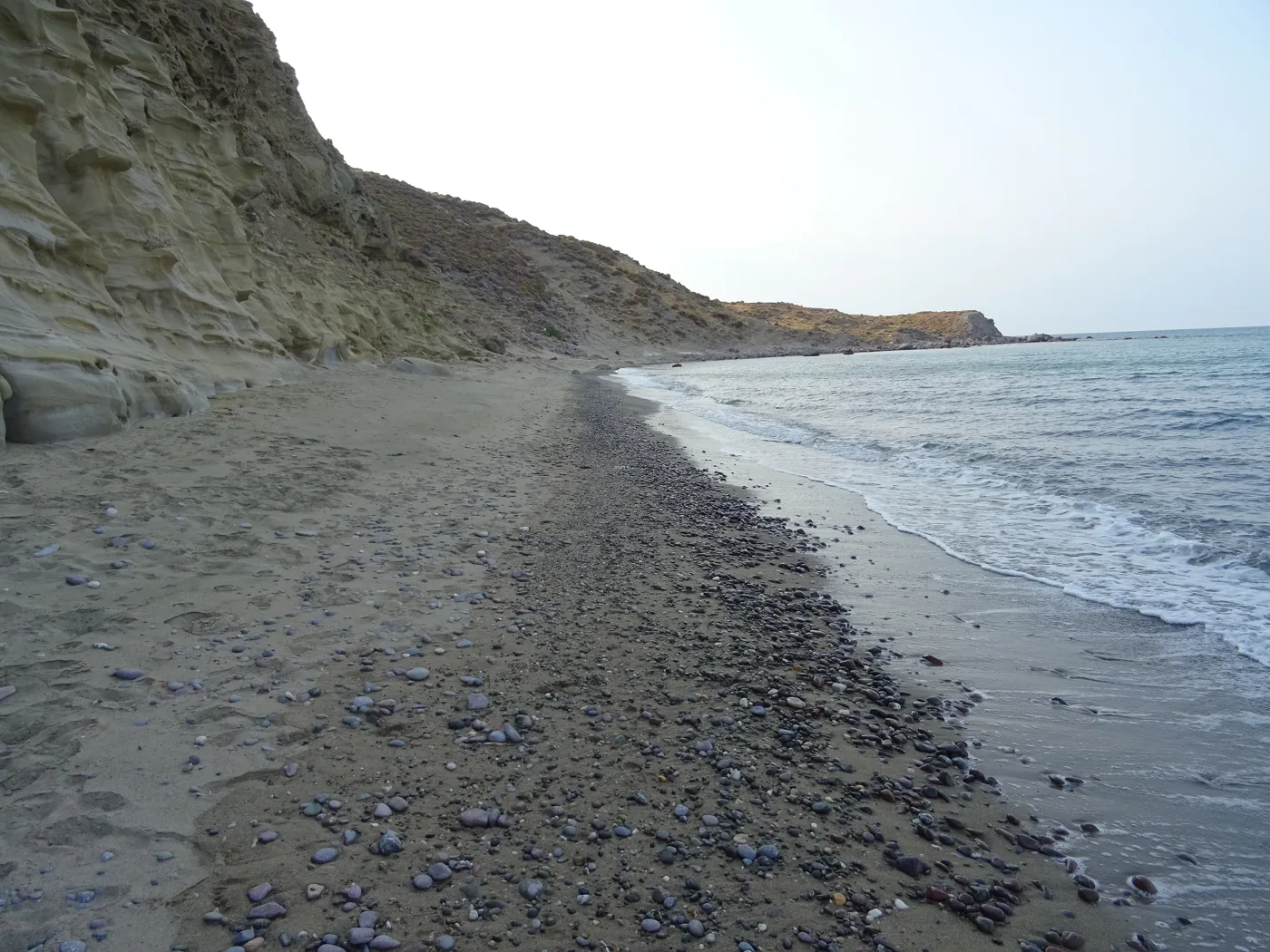
A kilometre and a half of sand.
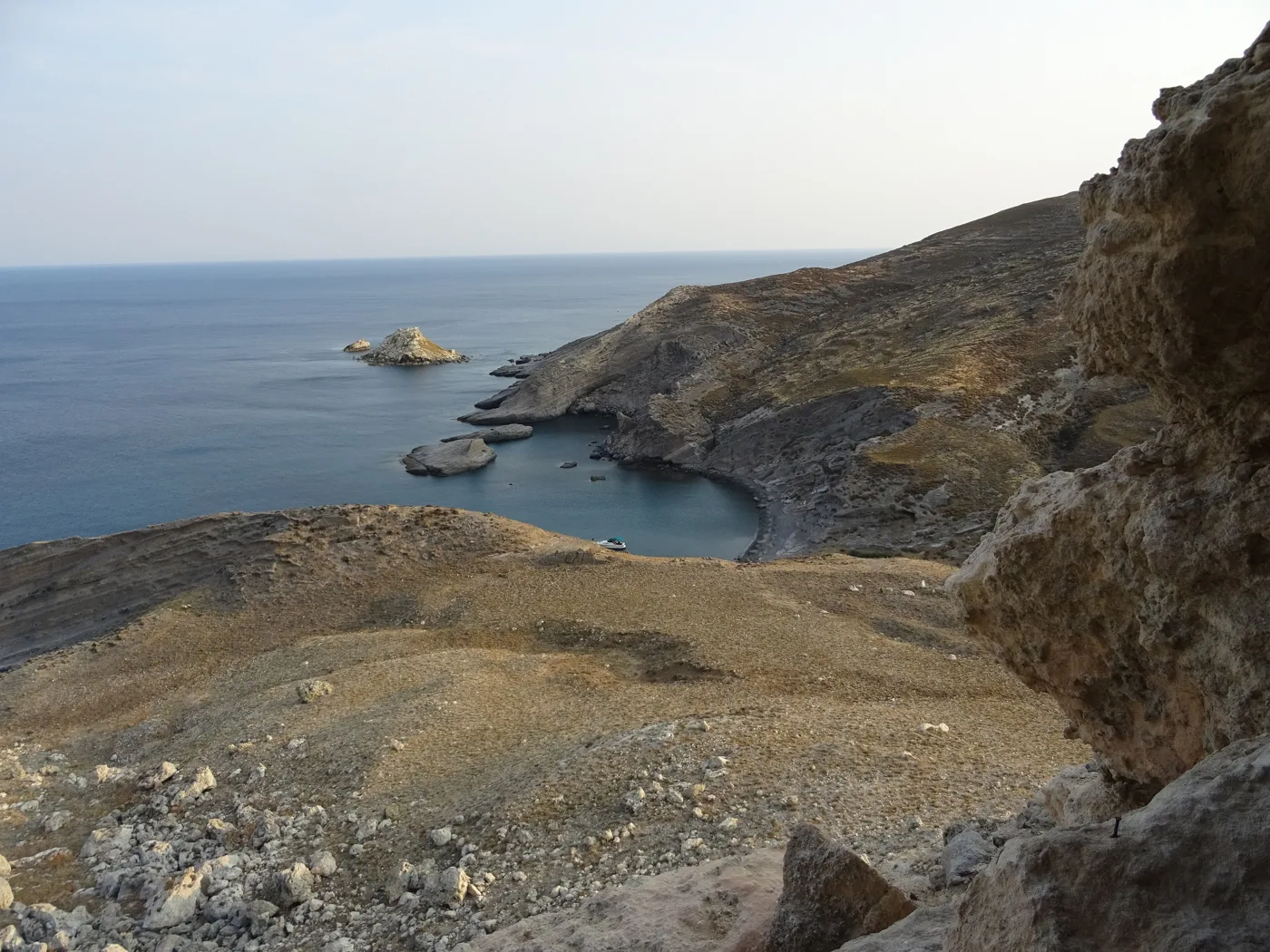
The view from the cliff.
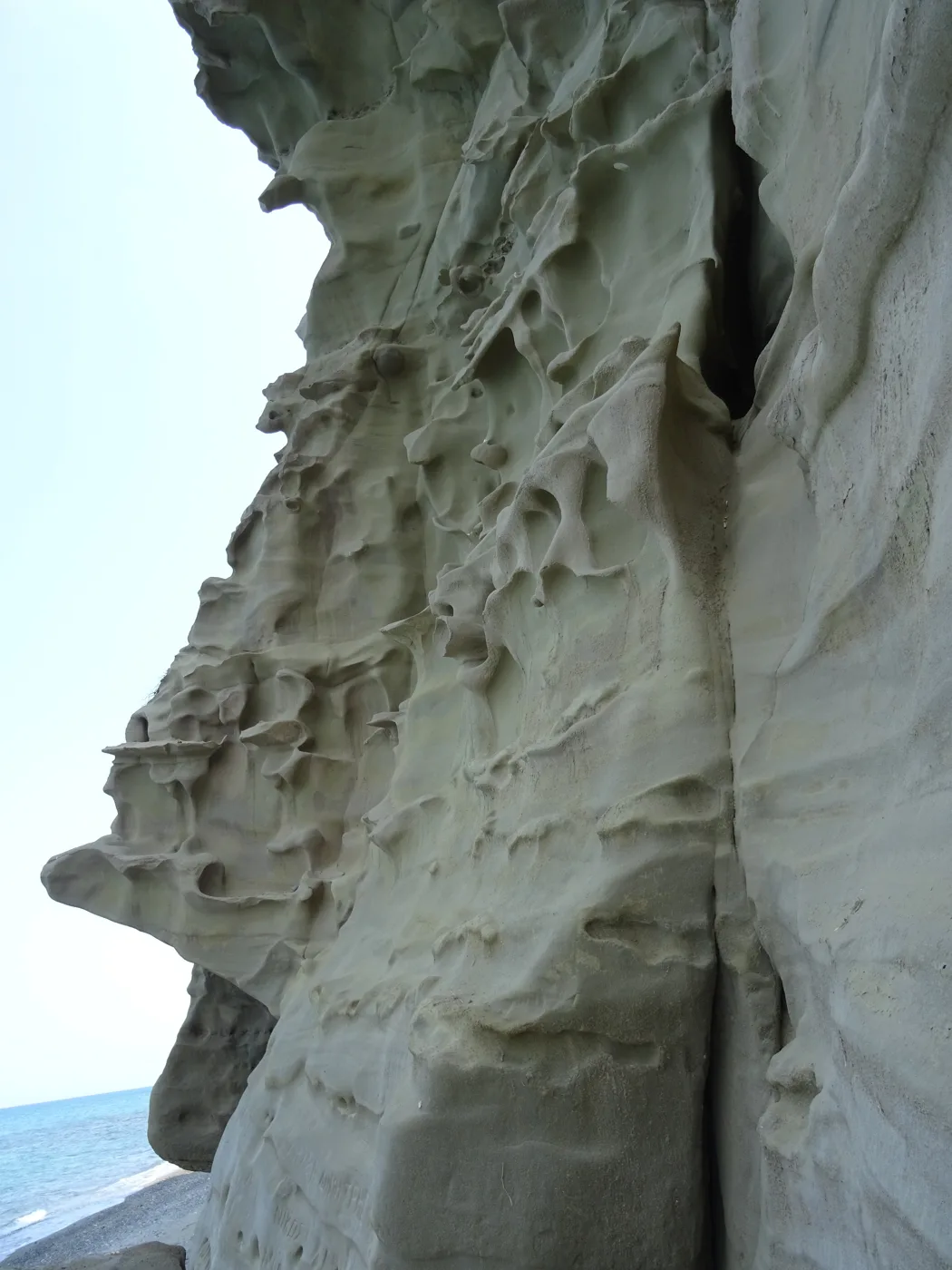
Carved by the wind.
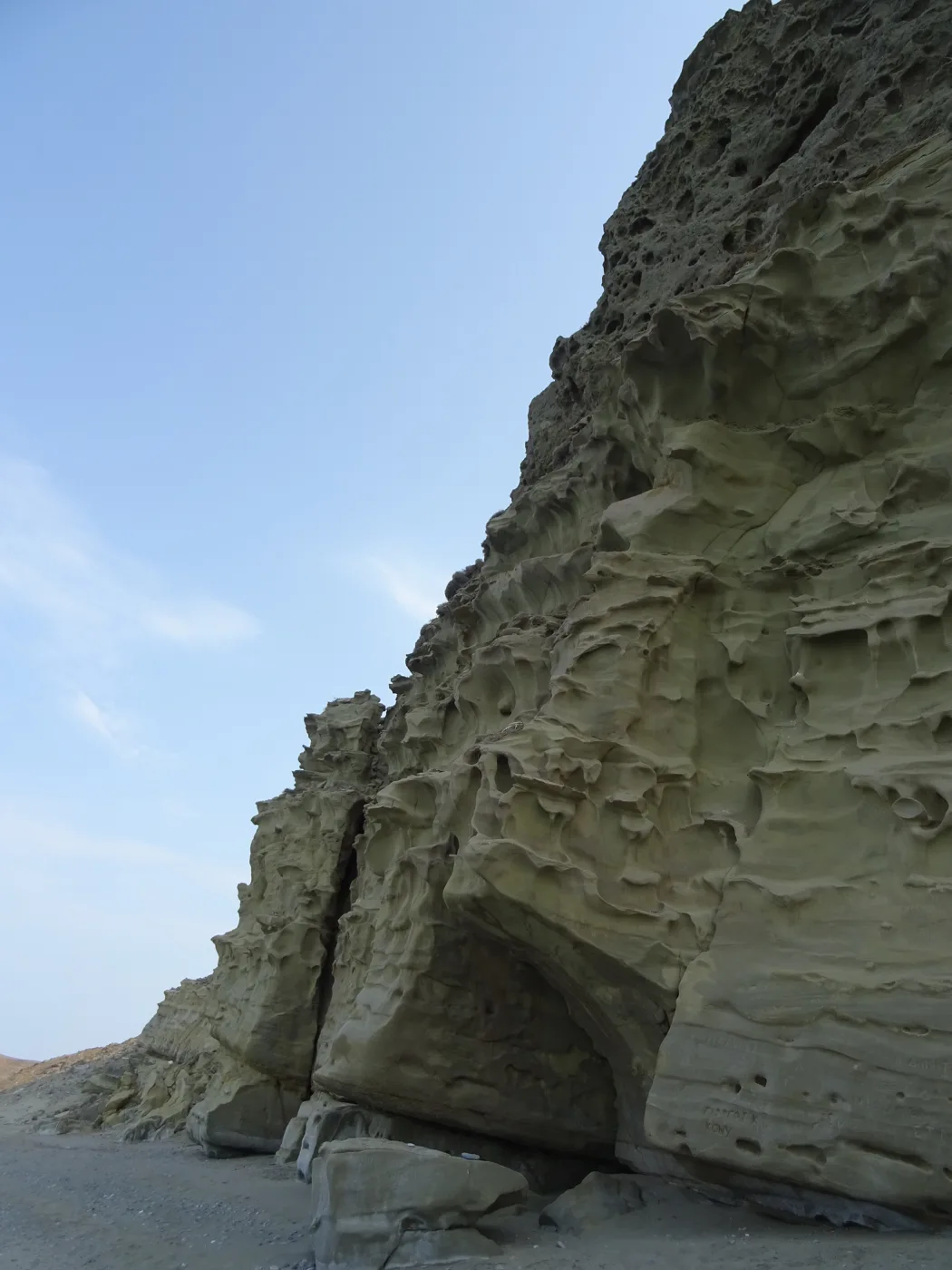
At the edge of the beach.
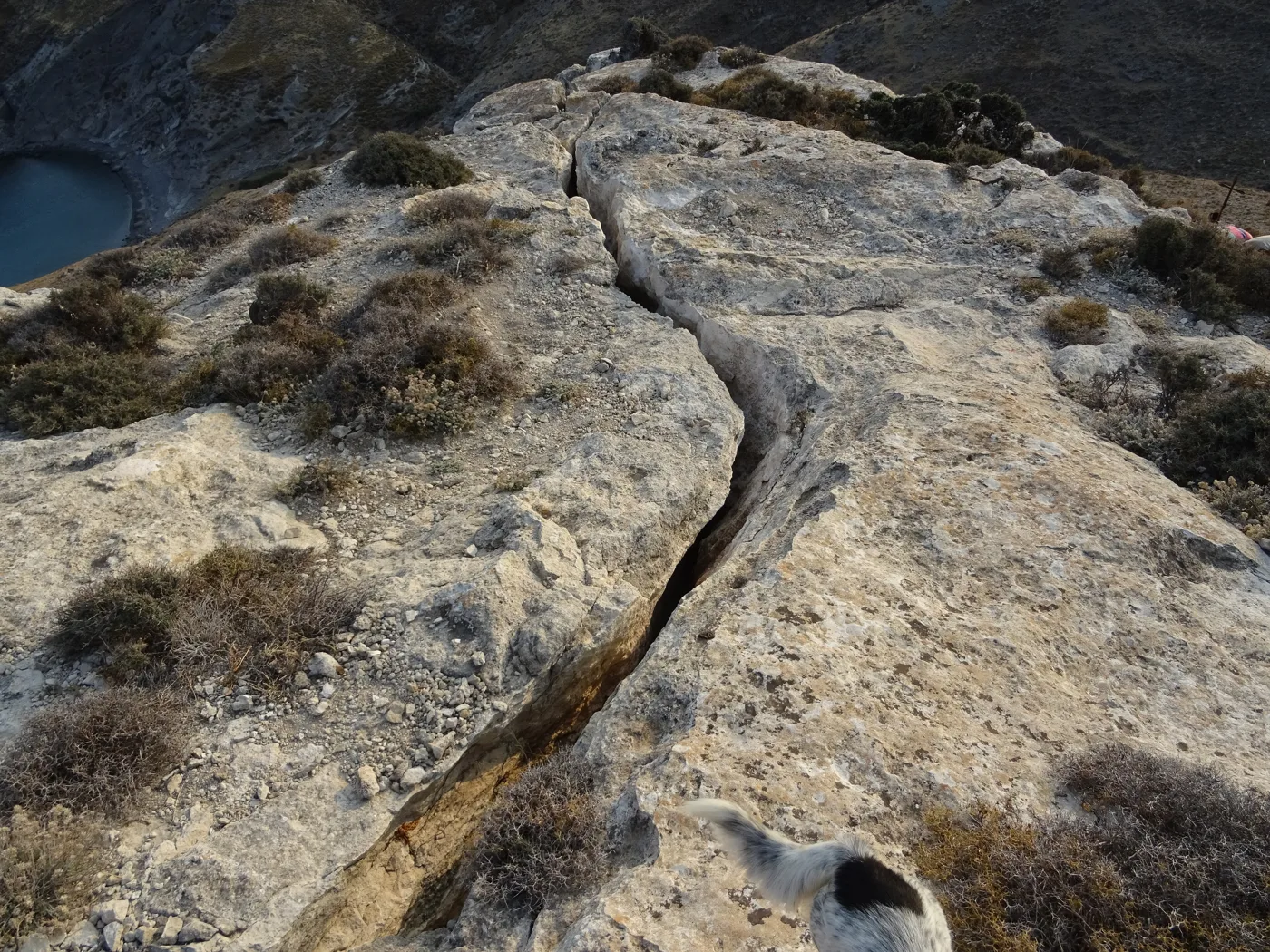
Above Alonitsi.
Photos: Yannis Karydas (CC BY-SA 4.0), AlkistiPiperou (CC BY-SA 4.0) · Wikimedia Commons
🌅 The beaches of the west
South of the village, the west coast has a string of small beaches. Mouroulia is the closest to the village, and a footpath continues to Agios Antonios, Agios Dimitrios, with sand and sea daffodils, and Trygari, with pebbles. Further south, Lidario, Agios Nikolaos and Trypiti are best reached by boat. Here the sun sets straight into the sea.
- Alonitsi: the biggest sandy beach, on the east coast.
- Mouroulia: the closest to the village.
- Agios Dimitrios: sand, sea daffodils and sunsets.
- Trygari: pebbles below wooded hills.
- Lidario, Agios Nikolaos and Trypiti: further away, by boat.
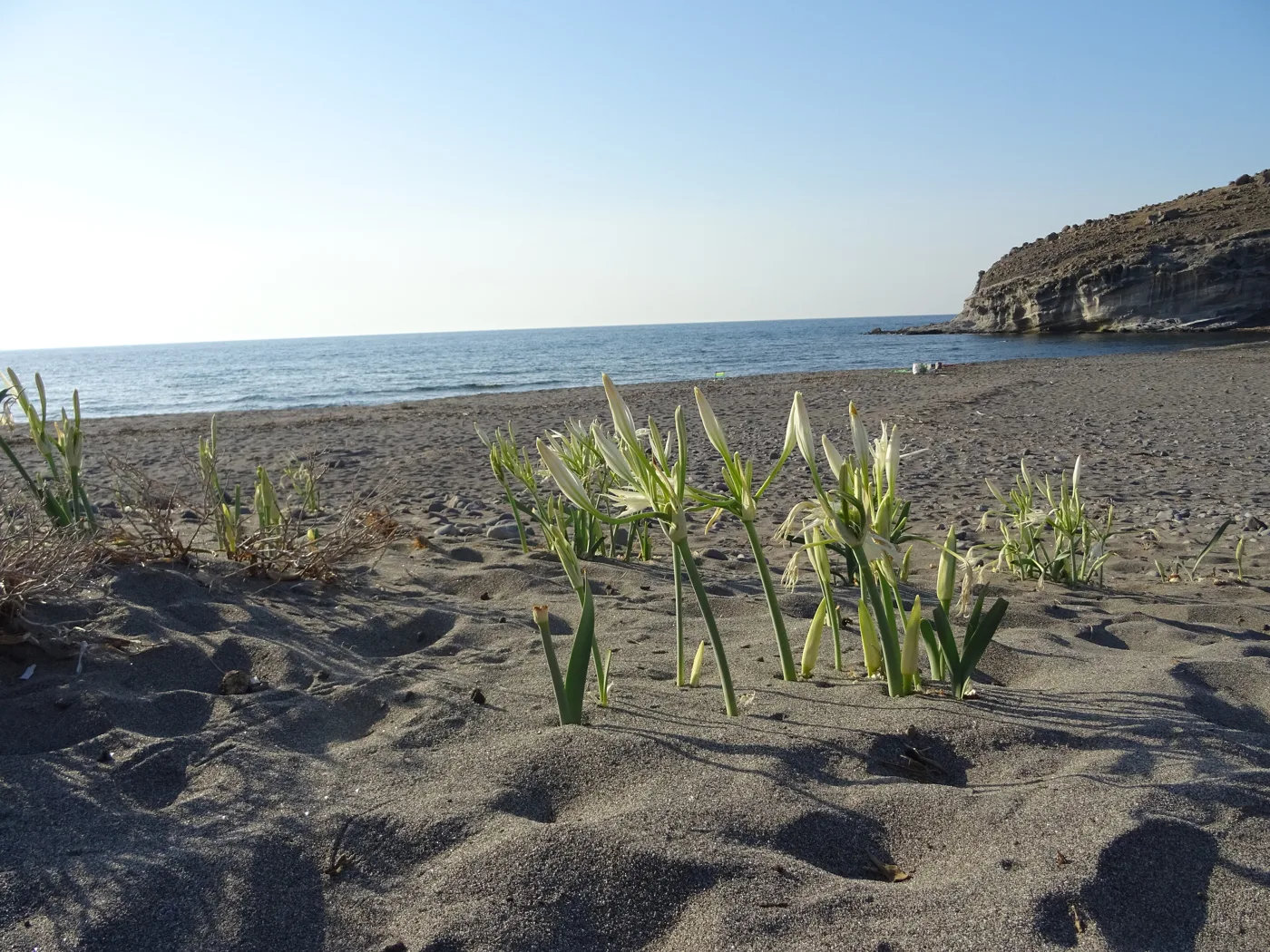
Sea daffodils on the sand.
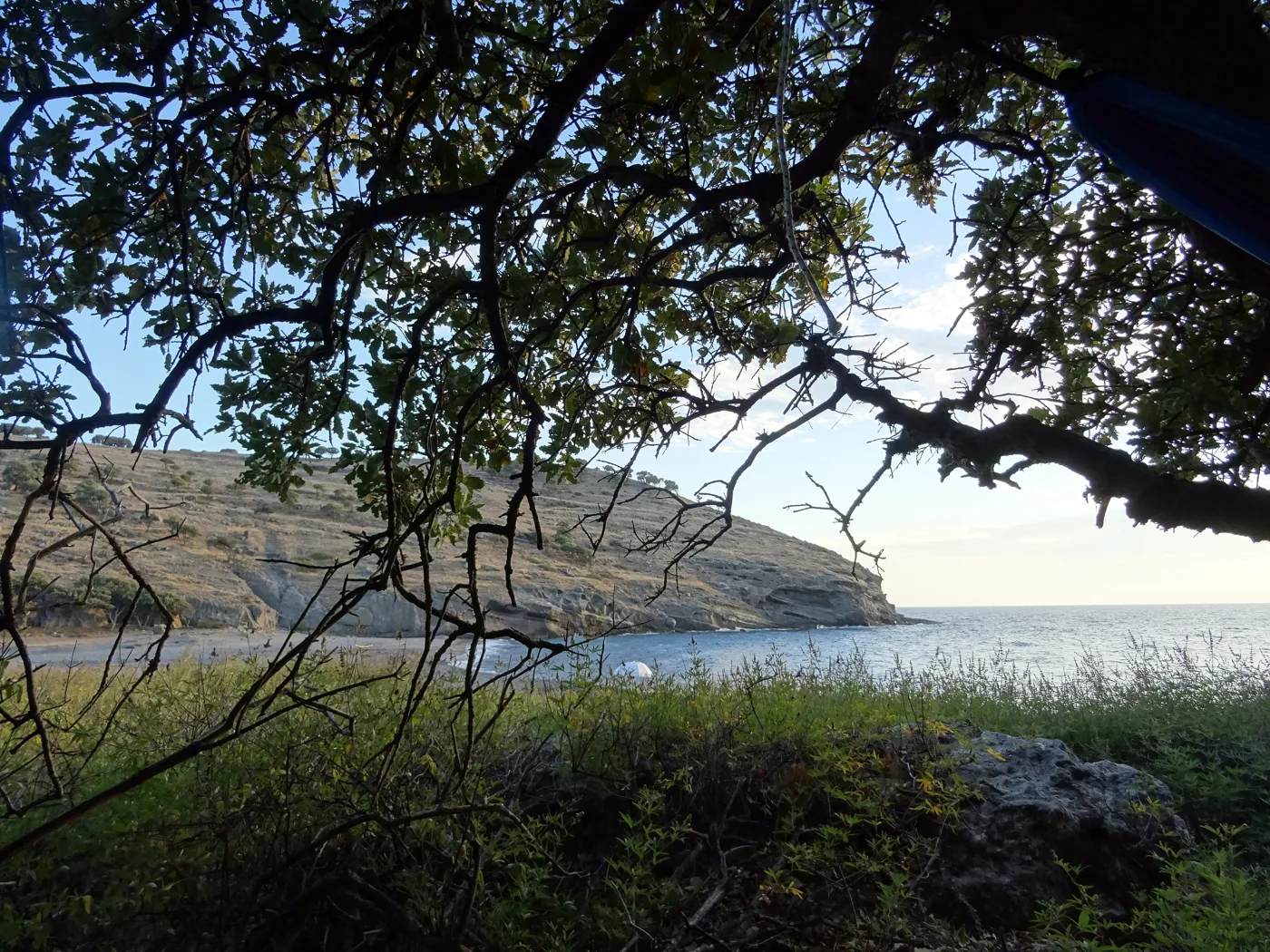
Shade under the trees.
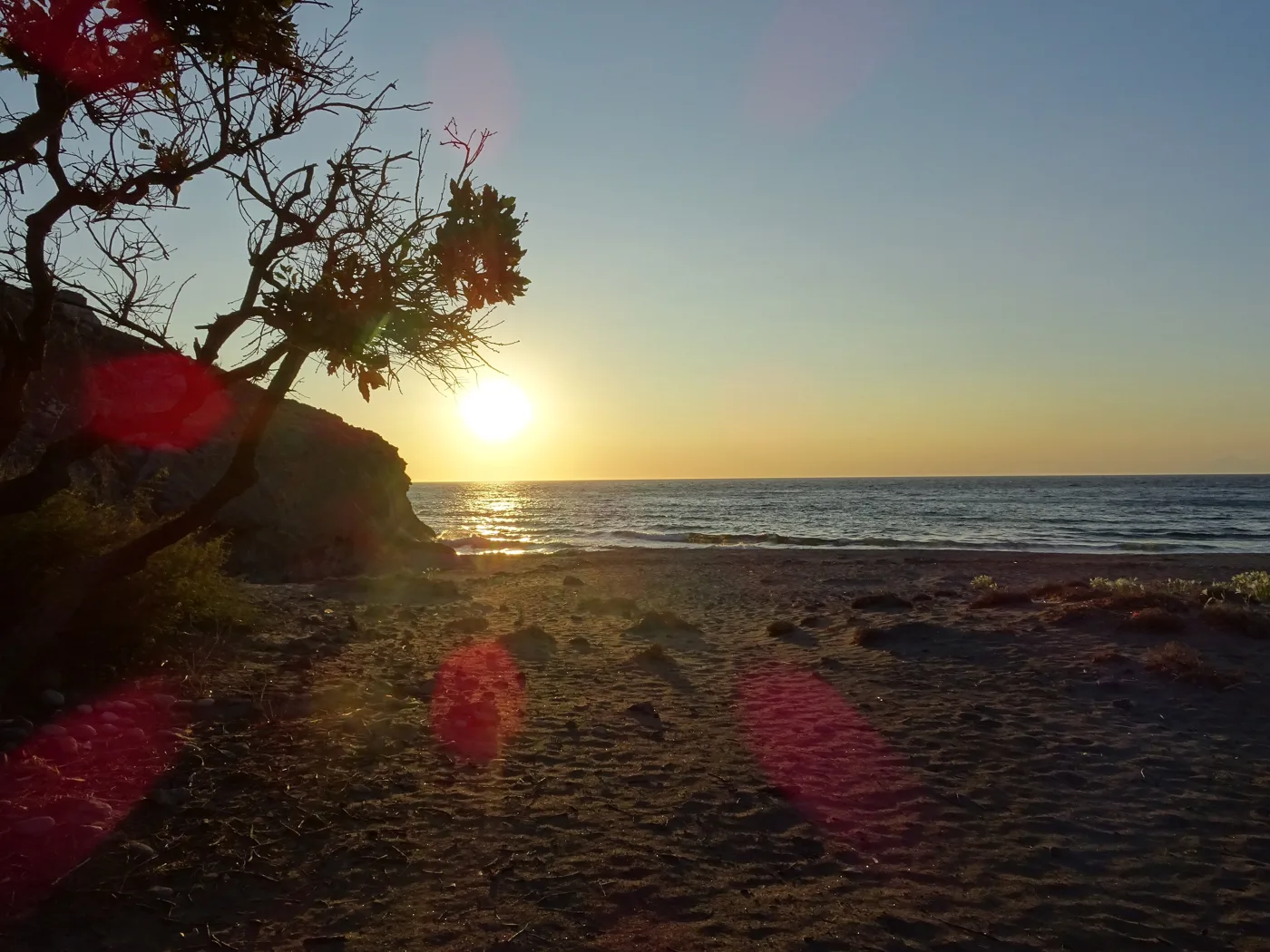
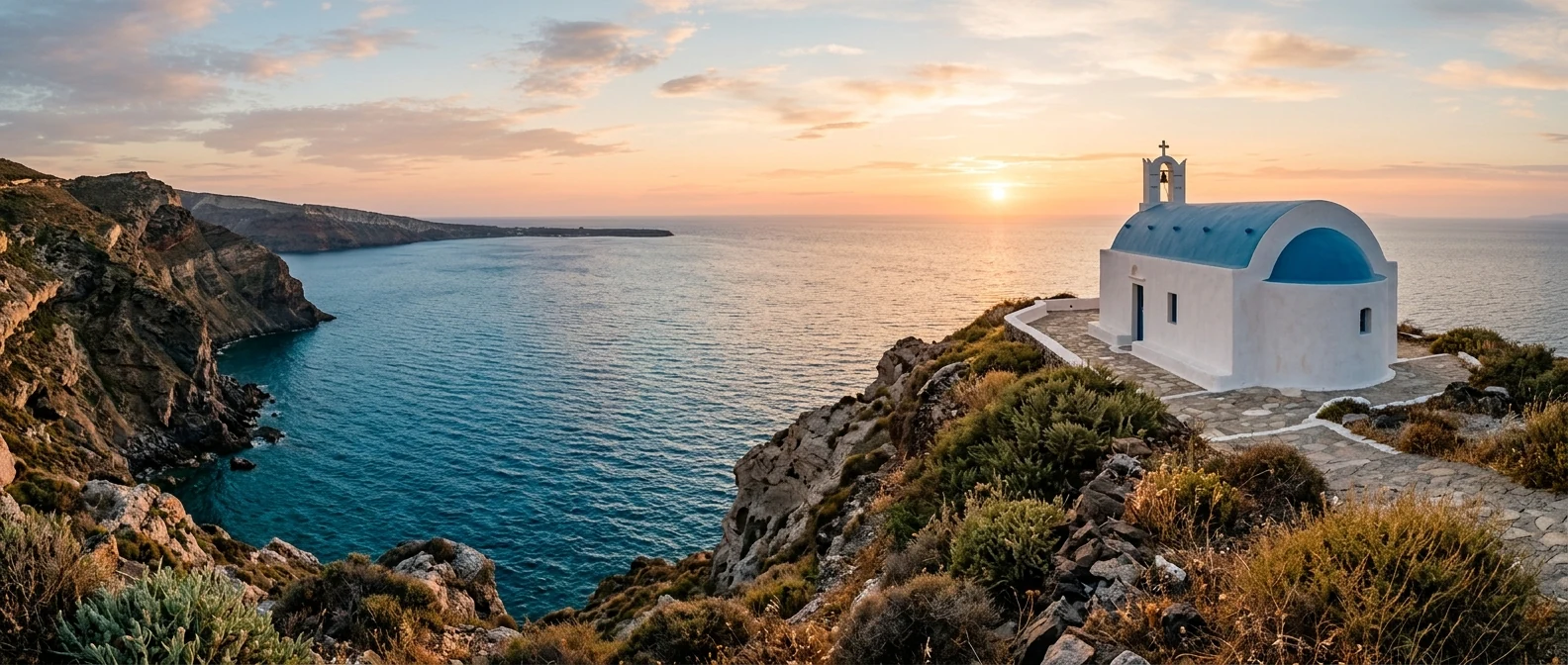
Sunset on the west coast.
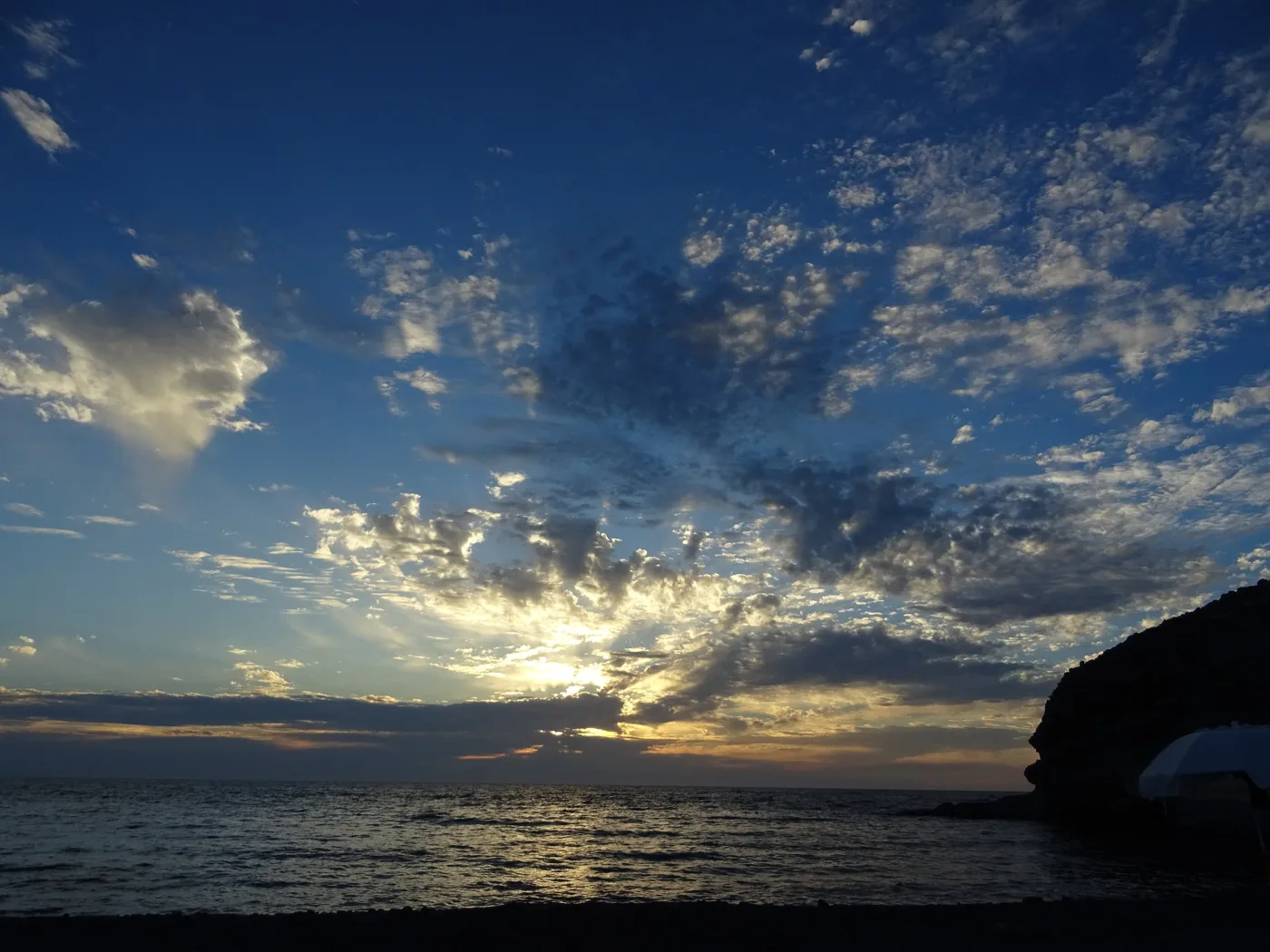
Colours at dusk.
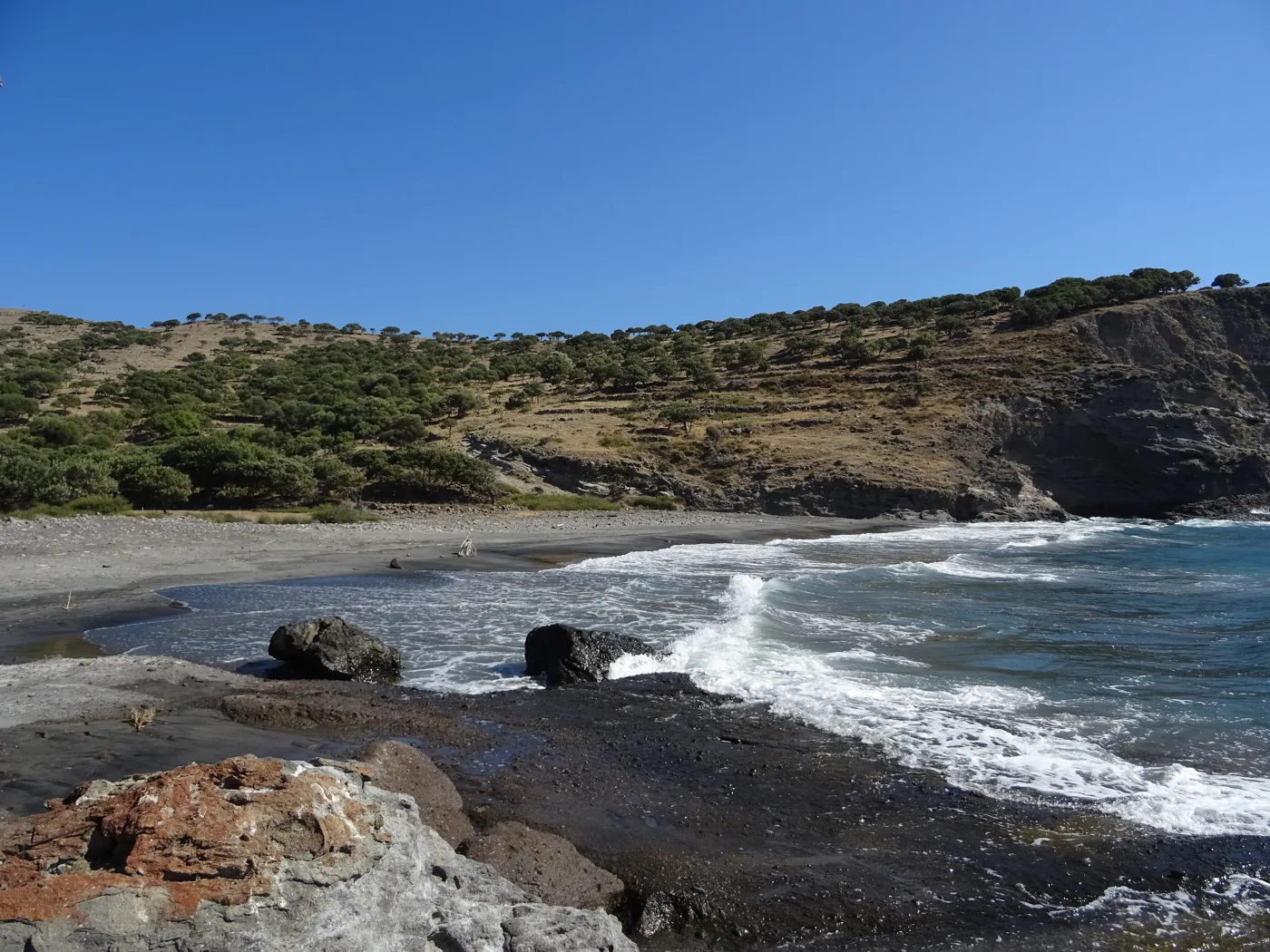
Pebbles and waves.
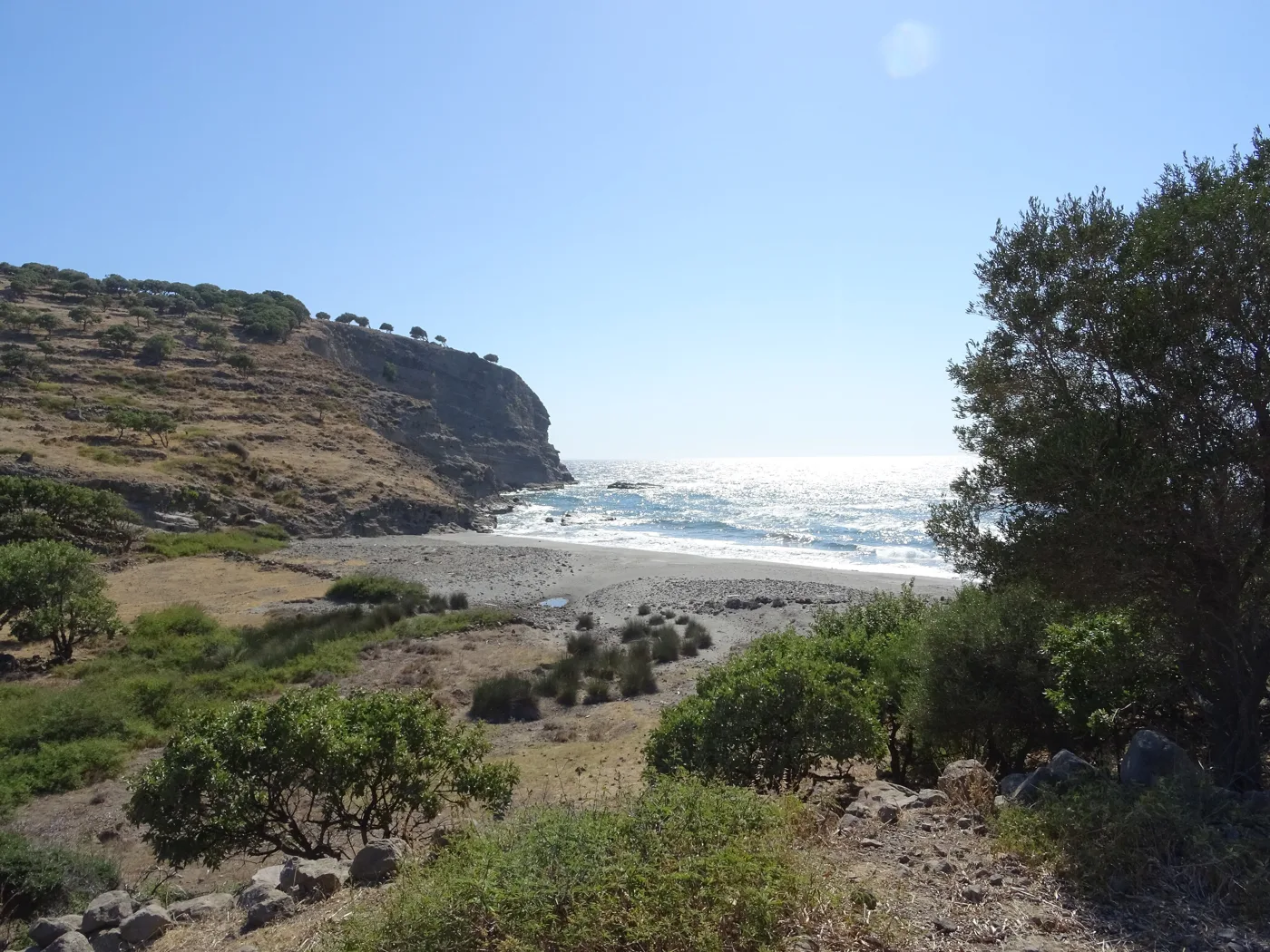
The way to the sea.
Photos: AlkistiPiperou (CC BY-SA 4.0) · Wikimedia Commons
In summer, fishermen from the harbour take visitors to the more distant beaches on the west coast and pick them up in the afternoon. Ask at the harbour or in the cafés the day before.
🌿 Nature
Agios Efstratios is one of the wildest islands in the Aegean, with oaks in the gullies, bushes, goats, birds and hedgehogs. Offshore, the monk seal, Monachus monachus, finds shelter in caves along the coast. On clear days, Mount Athos can be seen from the west coast, rising above the sea.
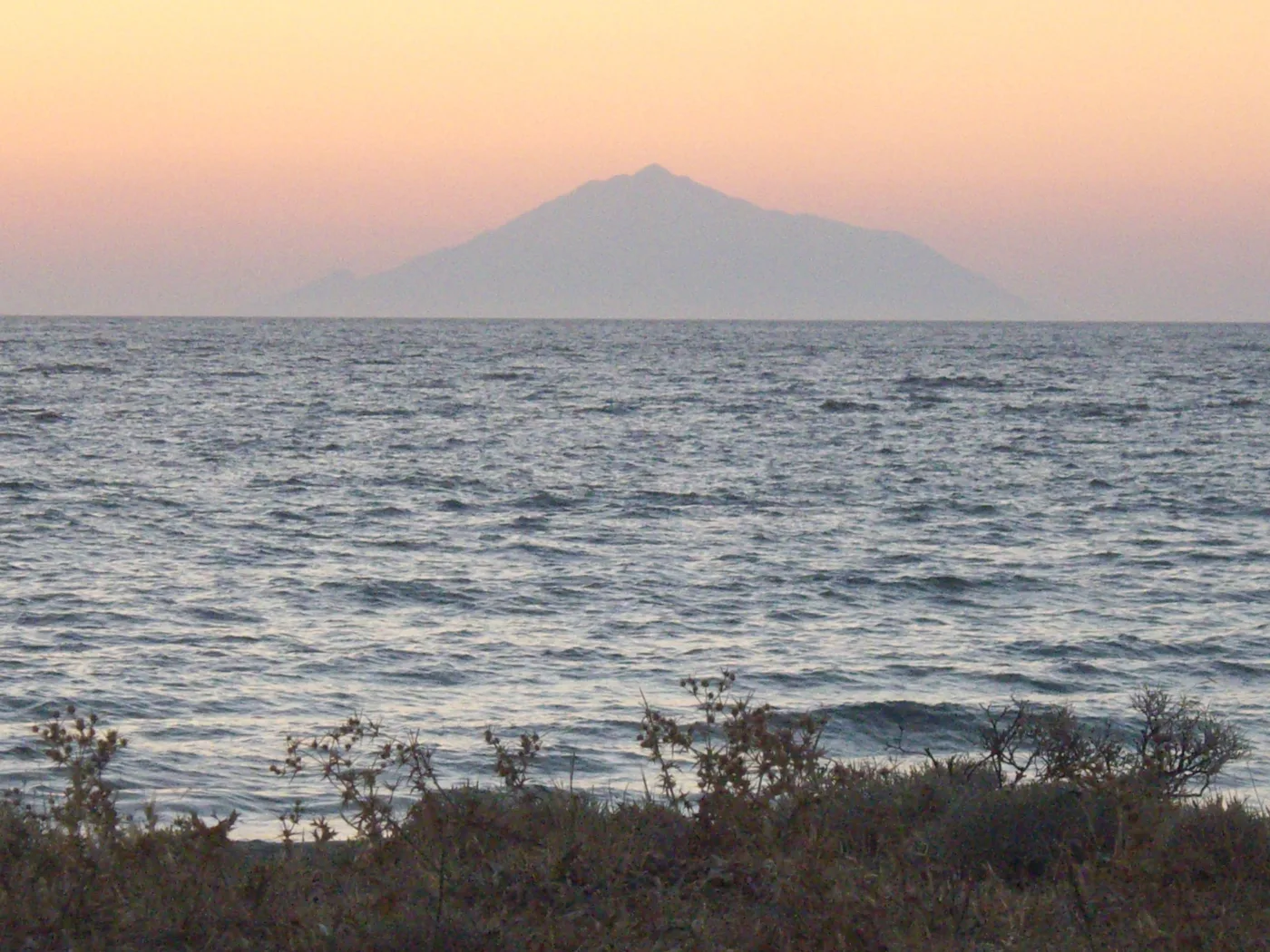
Visible on clear days.
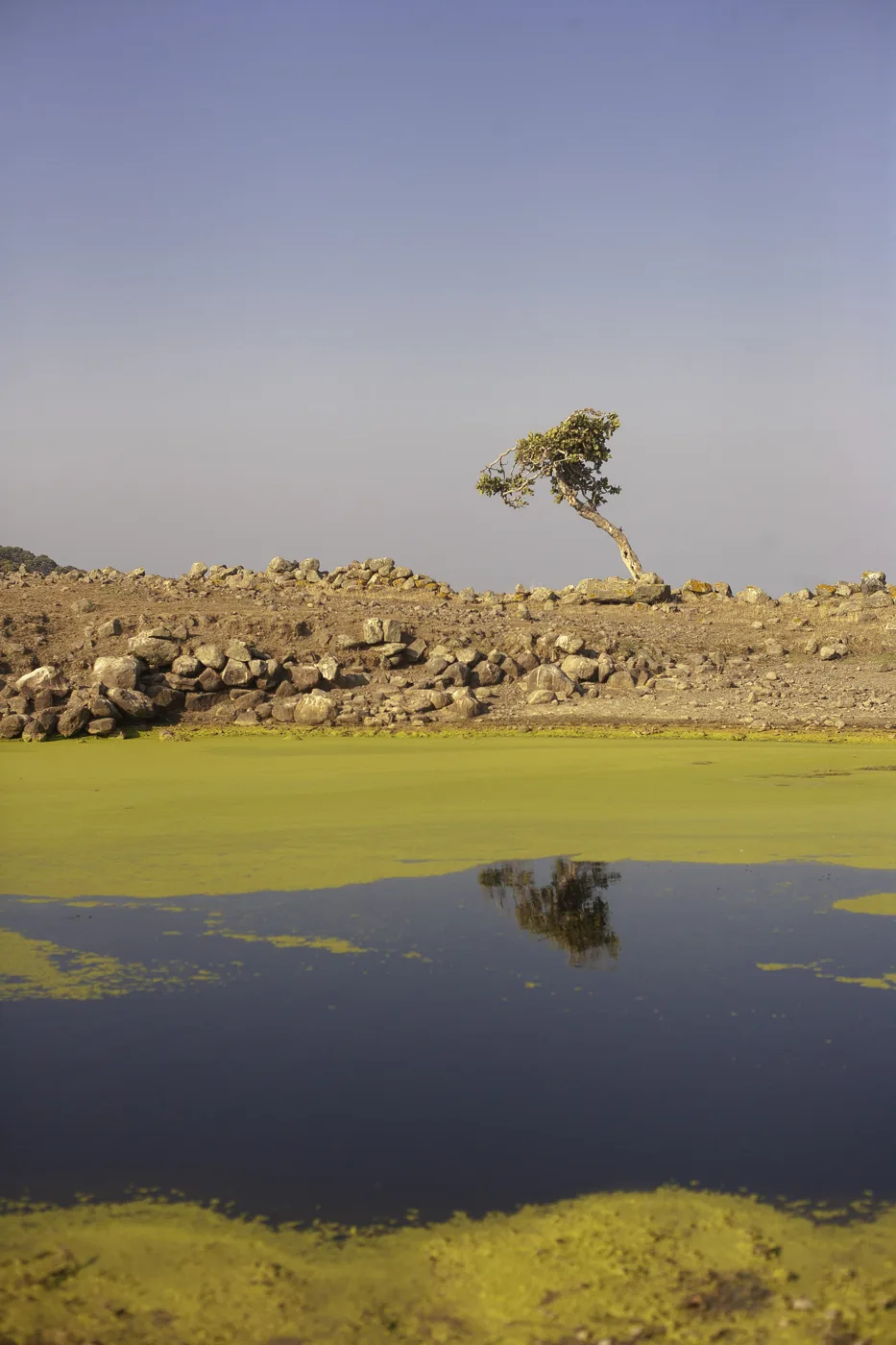
Water in the countryside.
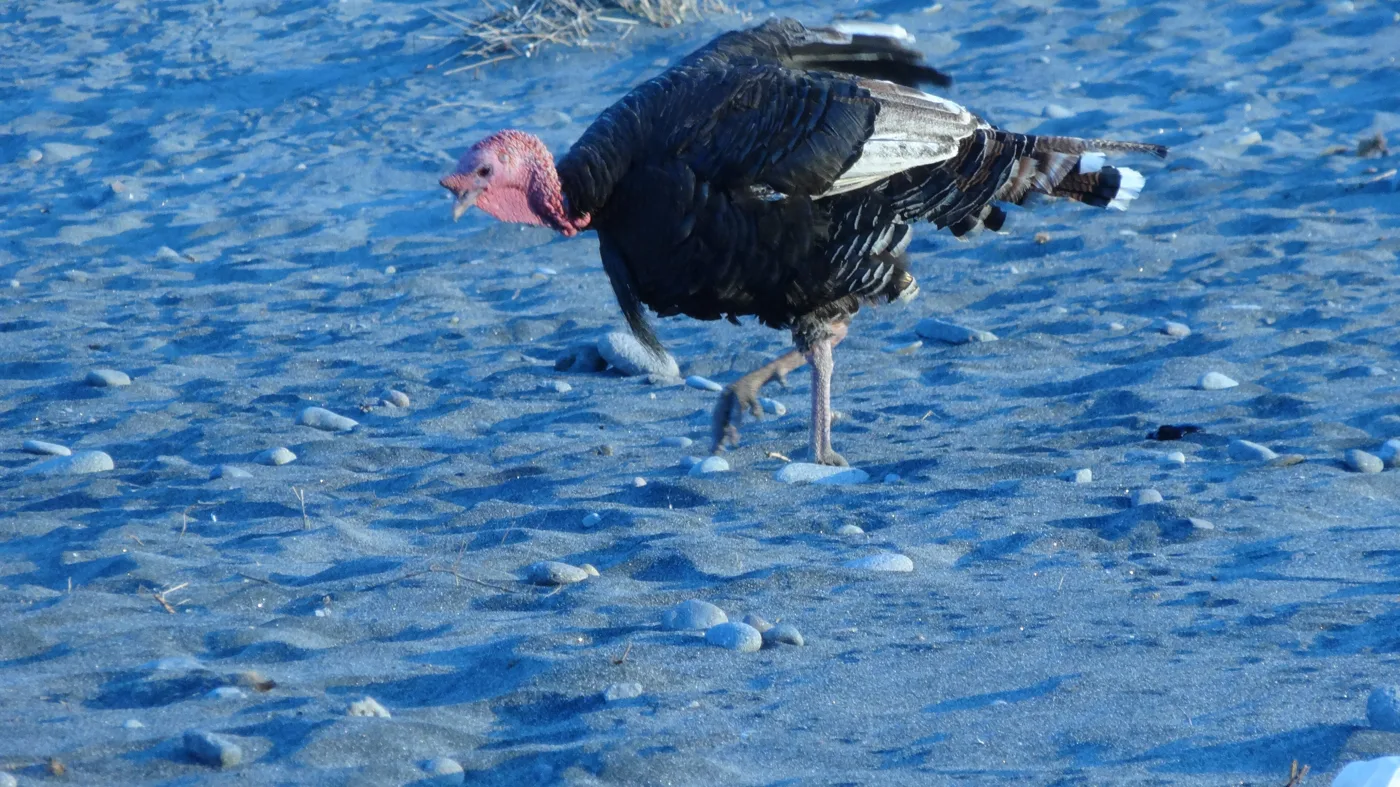
At Agios Dimitrios.
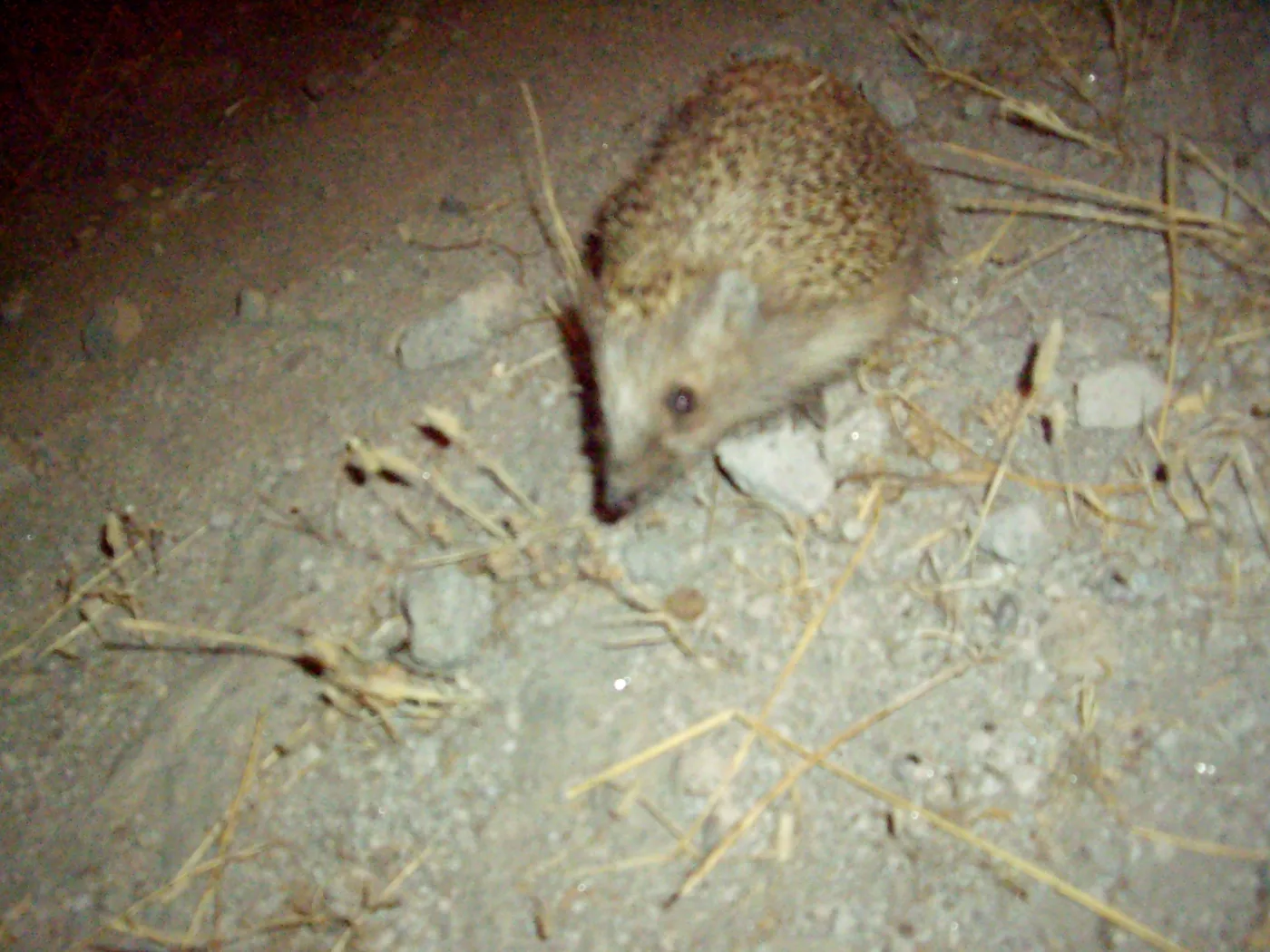
A night visitor.
Photos: AlkistiPiperou (CC BY-SA 4.0), Giorgos Diakoumakos (CC BY-SA 4.0) · Wikimedia Commons
🍽️ What to eat
The tavernas at the harbour serve fresh fish, lobster, kid goat and local cheese. The island is known for its lentils, grown in the fields around the village, and for its honey. Ask for whatever the boat caught that day.
📅 When to go
June and September are the best months, with warm sea and calm. In August most visitors arrive, mainly islanders living elsewhere, and rooms fill up. In winter there are few ferries and the wind often cancels them.
✈️ How to get there from Athens
| How | Duration | From | Notes |
|---|---|---|---|
| Ferry from Lavrio | About 8 to 10 hours | Lavrio | Few sailings a week, continuing to Limnos and Kavala. |
| Plane and ferry | About 1 hour to Limnos, plus 1.5 hours by ferry | Athens airport | Fly to Limnos and take the ferry from Myrina. |
From Ioulianou 50, the airport is one hour on Line 3, and for Lavrio there are KTEL Attica buses from Pedion tou Areos, taking about an hour and a half. Check the timetables in advance, as ferries are few and change with the season. Agios Efstratios is easy to combine with Limnos: read our guide to Limnos.
🗓️ Three days on Agios Efstratios
The village and the Museum
Stroll around the harbour and the old houses that survived the earthquake, and visit the Museum of Democracy. A swim at Mouroulia, near the village, and in the evening fish at the harbour.
Alonitsi
Go early to Alonitsi, the biggest sandy beach on the island, on the east coast. Take water and food, as there is nothing there, and walk to the far end of the beach.
The beaches of the west
Follow the footpath south of the village to Agios Antonios, Agios Dimitrios and Trygari. Stay for the sunset and, if the sky is clear, look for Mount Athos across the sea.
Frequently asked questions
Do I need a car on Agios Efstratios?
Not necessarily. The village and the nearby beaches can be reached on foot, and there is a boat for the distant ones. For Alonitsi a car or one of the island’s taxis helps.
Where should I stay on Agios Efstratios?
In the village, which is the only place with rooms. Book early, as rooms are few, especially in August.
Is the Museum of Democracy worth it?
Yes. It is small but moving, and it helps you understand why Ai Stratis holds such a special place in modern Greek history. Check the opening hours in the village.
How many days do I need?
Three to four days are enough for the village, Alonitsi and the western beaches. Because ferries are few, a stay often lasts from one sailing to the next.
— Kathy