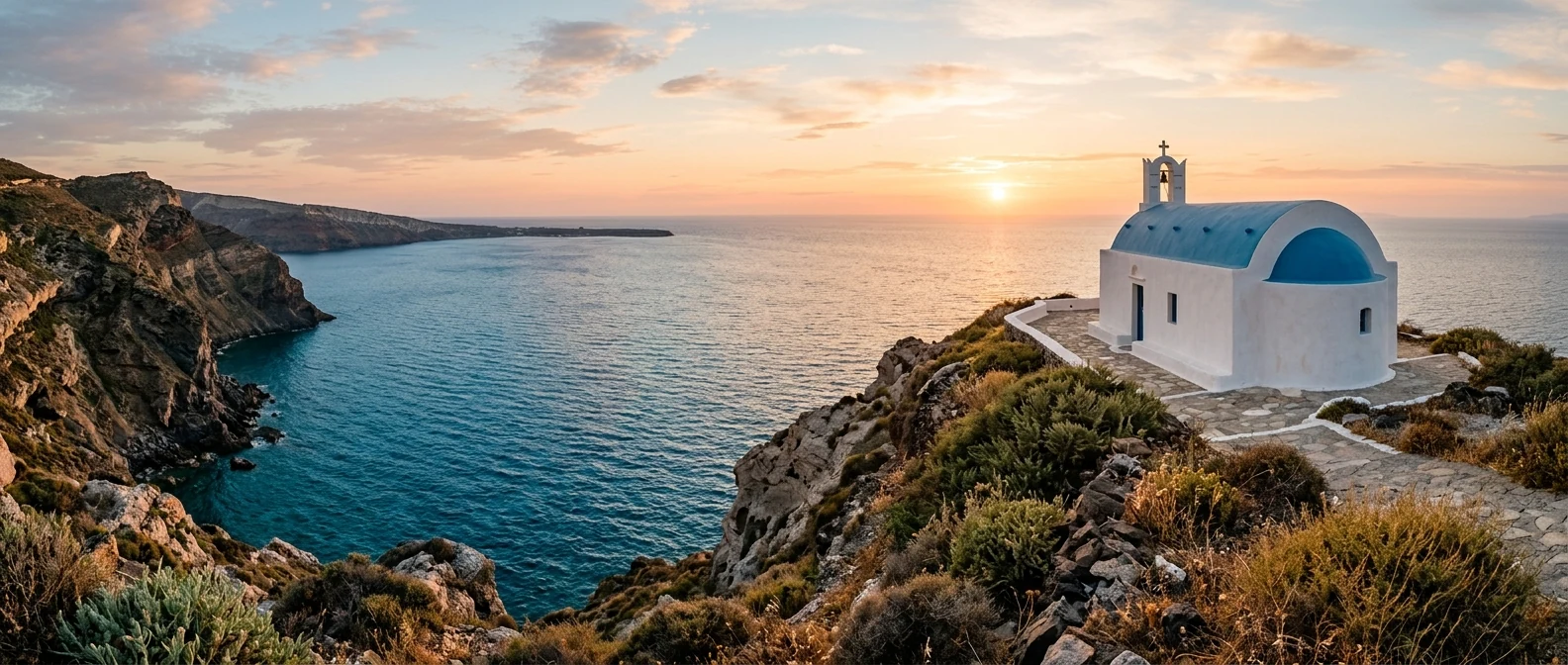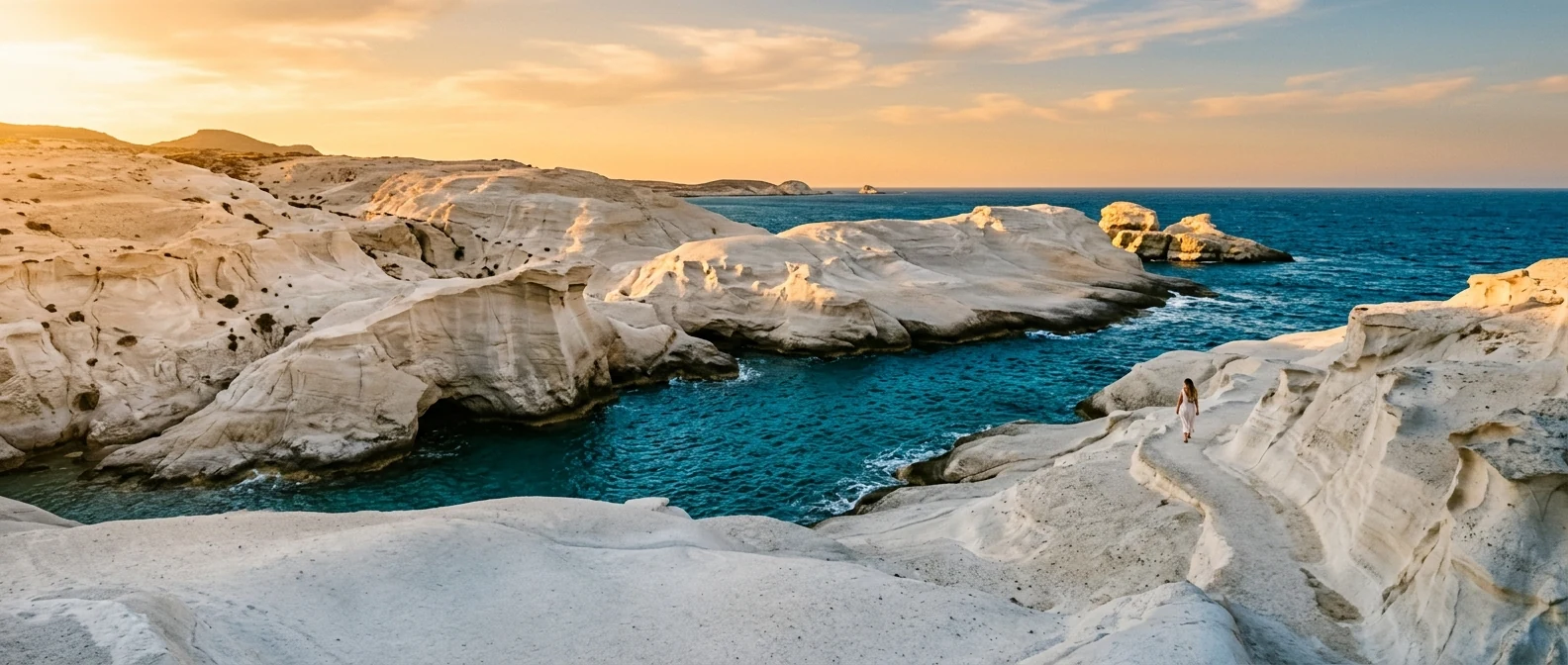
The island pair
Paros has scale: port, airport, villages, beaches, nightlife, walks and movement. Antiparos keeps a smaller rhythm, with one main town, simpler beaches, the big cave and less hurry.
Most visitors stay on Paros and cross to Antiparos for a day. Others choose Antiparos as their base if they want a quieter week. The practical point is that there is no real dilemma between them. The two islands work together.
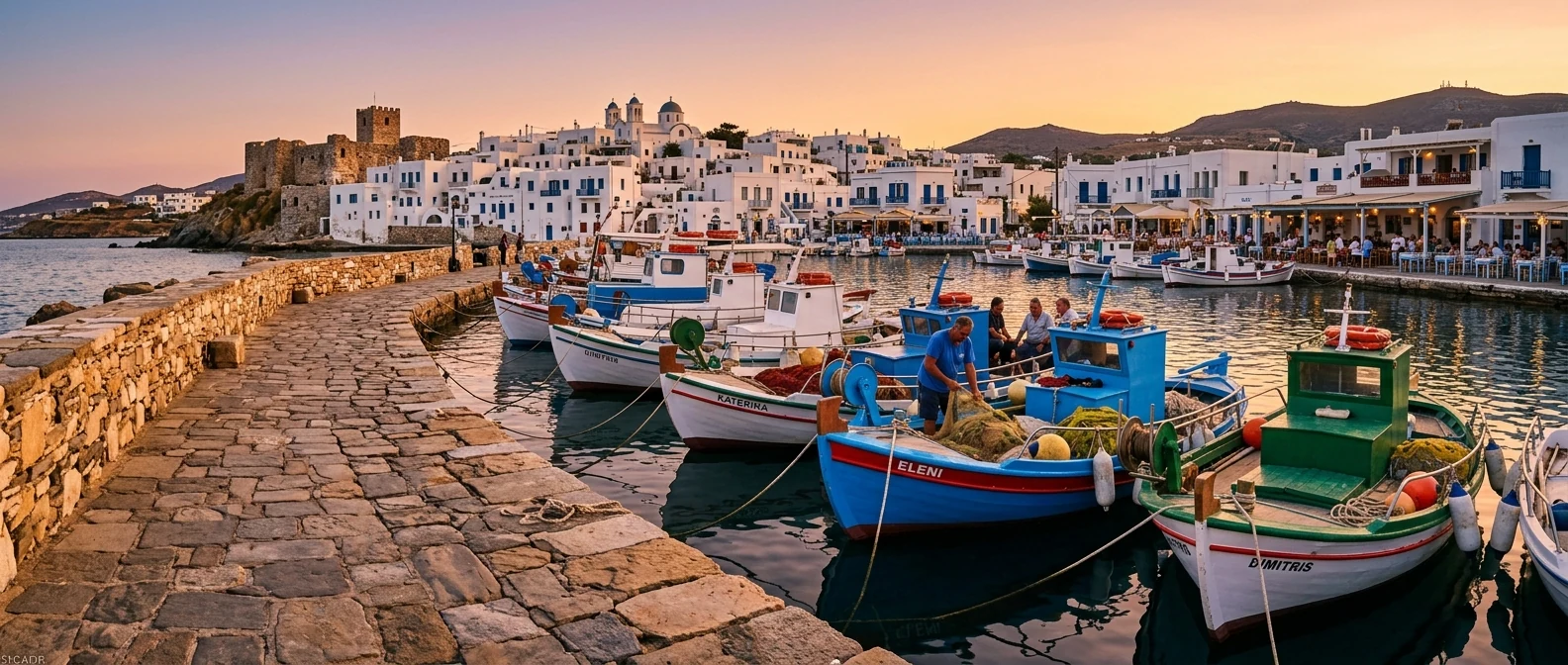
Naoussa: the old harbour
- Naoussa: on the north side of Paros, and still recognisable as an old fishing village despite the newer bars, restaurants and expensive rooms around it.
- The old harbour: tavernas still hang octopus in the sun, and the setting has not lost that entirely working feel.
- Venetian remains: half-sunken traces of a 15th-century fort still stand at the harbour entrance.
- The lanes behind the port: small, whitewashed and easy to walk.
- In the evening: Naoussa gets busy, but it does not have the raw intensity of Mykonos.
Parikia and Ekatontapyliani
- Parikia: the capital and main arrival port.
- The old town: behind the seafront, with narrow lanes and the 13th-century Frankish Castle built with reused marble from older structures.
- Panagia Ekatontapyliani: one of the most important early Christian and Byzantine monuments in the Cyclades. Check current opening hours if you want the baptistery or the museum.
- Archaeological Museum: small, but important, and home to part of the Parian Chronicle.
Parian marble
The marble from Marathi
At Marathi, in the centre of Paros, one of the major sources of white marble in antiquity was quarried. Parian marble, known as lychnites, had a fine grain and a translucency that made it especially suitable for sculpture. Major ancient works are associated with it, although the exact origin of some statues is still debated by specialists. The old quarries at Marathi survive as open chambers cut into the hillside, and access needs some care and proper shoes.
The beaches of Paros
Kolymbithres
Granite rocks, small coves and shallow water near Naoussa. It gets busy early.
Santa Maria
Sand, dunes and beach bars on the north coast. Practical for families, but not always quiet.
Golden Beach
Large sandy beach on the south side. Known for windsurfing and water-sports schools.
Pounta
West coast opposite Antiparos. Steady winds and kitesurfing for much of the season.
Martselo
Near Parikia, and a calmer option if you do not want a long trip.
Faraggas
To the southwest, with small coves and less building than the better-known beaches.
Lefkes and the inland villages
- Lefkes: the best-known village inland, with marble-paved lanes, older houses and, on clear days, views toward Naxos. Part of the old marble road to Prodromos starts here.
- Marpissa: quieter, with three windmills and a 16th-century monastery.
- Marmara: a village whose name comes from the local stone.
- Prodromos: keeps an entrance that still feels like a small fortified gateway.
Butterflies
- The valley: near Parikia, where Jersey tiger moths appear in the summer months.
- Why they gather: the local vegetation and cooler microclimate help keep them there.
- How to visit: quietly, because the butterflies are easily disturbed and lose energy when they fly without reason.
- Before you go: check if the site is open and which period is best for seeing them.
Antiparos: a slower rhythm
- Smaller scale: Antiparos moves more slowly than Paros and feels easier to take at its own pace.
- Antiparos Chora: a pedestrian street with shops, cafes and tavernas that leads to the remains of a 15th-century castle.
- The cave: full of stalactites and stalagmites, with traces of use since antiquity. The descent and climb back involve many steps, especially tiring in the heat.
- Beaches: Soros, Sifneiko, Apantima and Faneromeni keep a simpler feel than many of the organised beaches on Paros.
- Privacy: the island has well-known visitors, but locals usually do not make a show of anyone's private life.
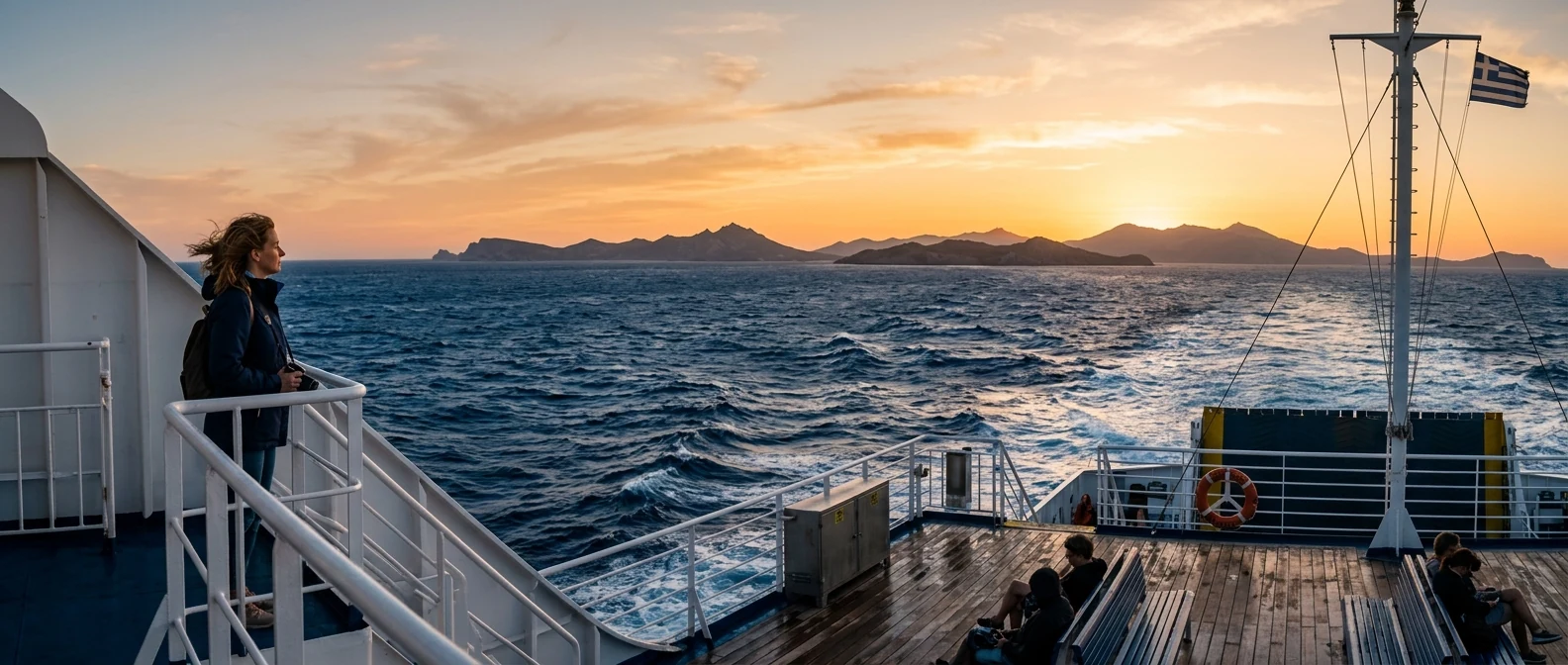
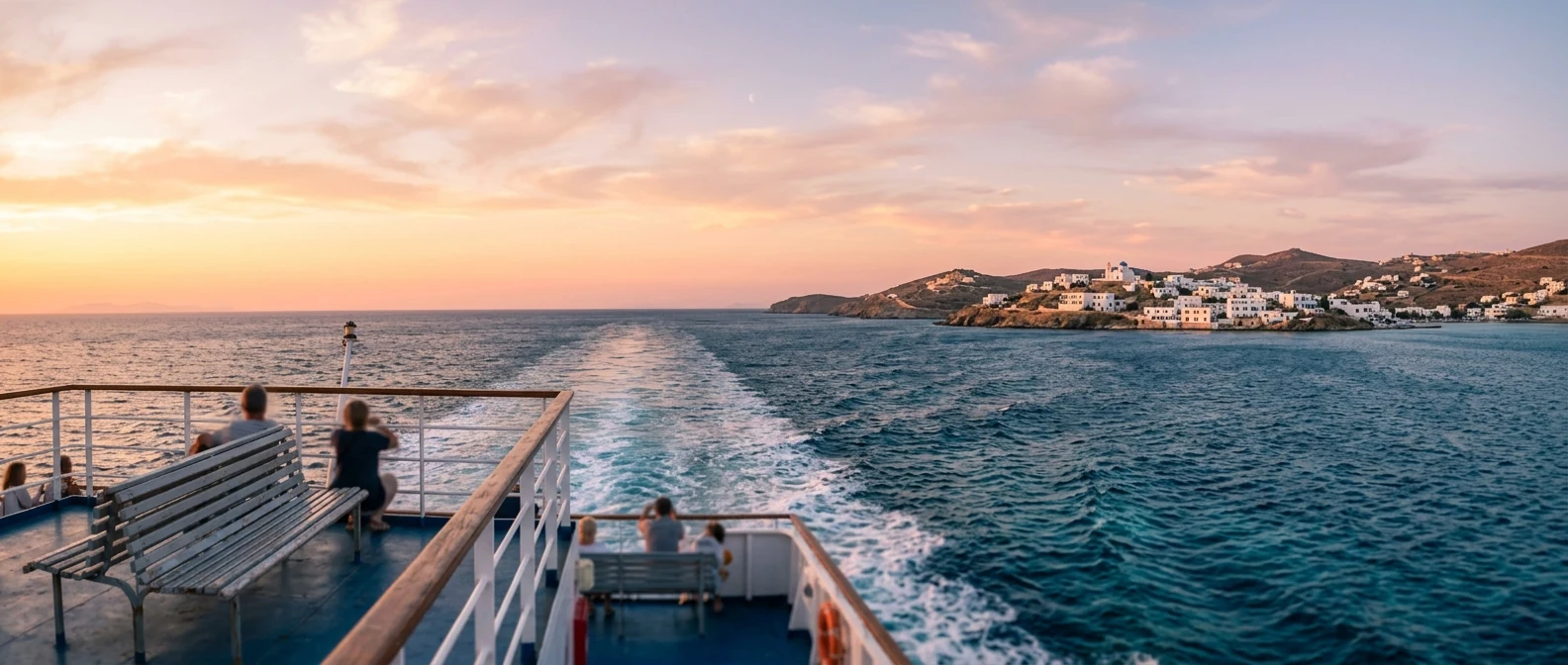
- Crossing over: the ferry from Pounta is short and frequent in the tourist season, and in summer there is usually also a passenger boat from Parikia. For times, prices and car transport, check the current timetable.
Useful facts
Island pair
One trip can combine a busier island and a slower one without much strain.
Ekatontapyliani
One of the most important early Christian monuments in the Cyclades.
Short crossing
Pounta to Antiparos is an easy ferry hop rather than a full travel day.
Marathi
The old marble quarries are part of what makes inland Paros worth the detour.
Food and wine
- Gouna: sun-dried mackerel, opened and grilled.
- Karavoles: snails with rosemary and lemon.
- Revithada: chickpeas cooked slowly, often linked with the Sunday table.
- Souma: a local grape-pomace spirit related to raki.
- Wine: Paros has PDO wines based on Mandilaria and Monemvasia, and some wineries accept visitors depending on the season and schedule.
Getting around and getting there from Athens
- Buses (KTEL): connect Parikia, Naoussa, Lefkes and the main beaches.
- For villages and quieter stops: a car or scooter helps with Butterflies, Marathi, inland villages and less central beaches. In peak season, book early rather than hoping for a last-minute vehicle.
- From Athens: Victoria station is a short walk from 50 Ioulianou, and Line 1 goes directly to Piraeus. Ferries to Paros vary by company, vessel type and season, while the airport has Athens flights with availability that changes through the year.
Island connections
- Paros as a hub: it links easily with Naxos, Santorini, Mykonos and Ios.
- Useful pairing: that makes it simple to place Paros into a wider Cycladic route.
- For current schedules: always check the real timetable for the period you are travelling.
When to go
- June and September: the most balanced months, with warm sea, regular ferry routes and less pressure on prices.
- July and August: fill quickly, especially in Naoussa, so early booking matters.
- May and October: milder months for villages, walking and food. The sea can be cool in May, but often stays pleasant in October.
A week across the two islands
- Days 1 and 2: Parikia, Ekatontapyliani, the Frankish Castle and Martselo.
- Day 3: Naoussa and Kolymbithres.
- Day 4: Lefkes and the old marble road toward Prodromos.
- Day 5: a full Antiparos day for Chora, the cave and a beach.
- Day 6: Butterflies, Marathi or another inland detour.
- Day 7: Golden Beach, Pounta or whichever coast you liked most.
Frequently asked questions
Is it worth doing both islands in one trip?
Yes. That is usually the easiest way to enjoy them, because the crossing is simple and the two islands balance each other well.
Which island is calmer as a base?
Antiparos is calmer. Paros is easier if you want more transport options, more beaches and a wider range of places to stay.
Do you need a car?
Not for the basics. Buses cover the main towns and beaches, but a car helps once you start adding villages, Marathi or quieter corners.
Can Antiparos work as the main base?
Yes, if you want a quieter week. Just expect fewer options than on Paros and rely on the ferry when you want more range.
What local things should I try?
Gouna, karavoles, revithada, souma and the local wines are the obvious starting points.
When is the easiest time to visit?
June and September are usually the easiest balance of sea temperature, transport and price pressure.
Sources:
— Kathy