🪪 The island at a glance
📍 Where they are
Psara lies in the North Aegean, about 20 kilometres off the northwestern tip of Chios, and belongs to the regional unit of Chios. Together with the islet of Antipsara and a few rocky islets it forms the Municipality of Psara. Ferries come from the port of Chios and from Limnia, in northwestern Chios. There is no airport, so most people fly to Chios.
📍 Where Psara is
Psara lies in the North Aegean, northwest of Chios. The island is shown in red, and in green are Chios and Limnia, where the ferries come from, and Piraeus.
🗺️ The map of the island
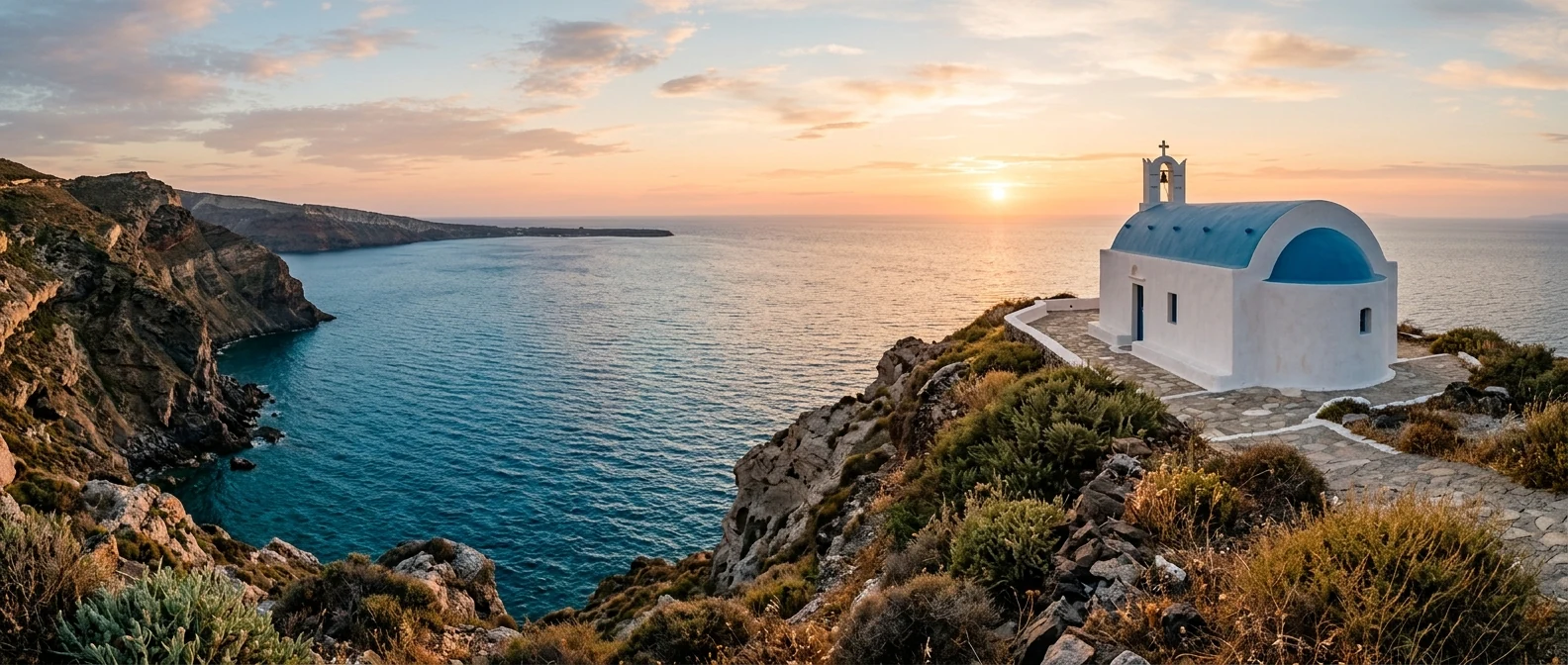
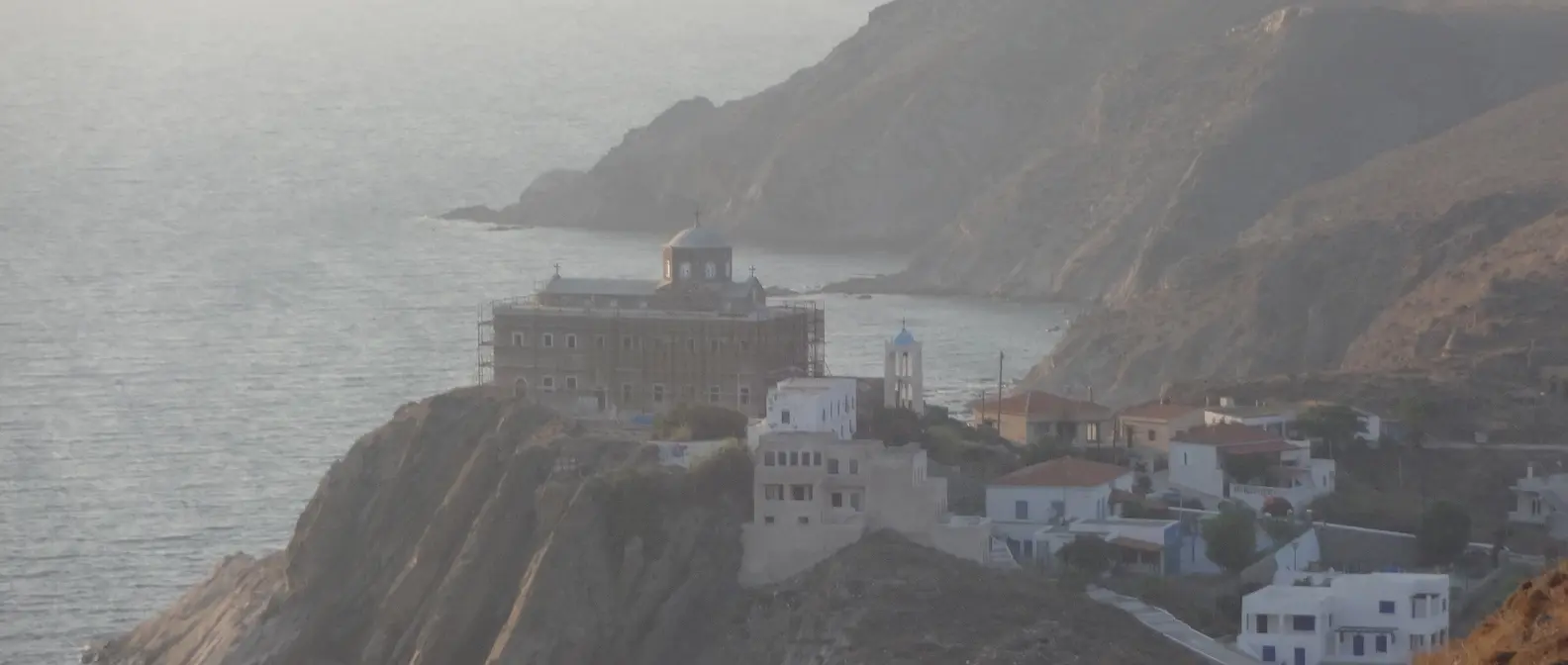
Psara is hilly, dry and almost treeless, with scrub, dry-stone walls and many small chapels. The highest peak, Profitis Ilias, rises above 500 metres. The only village is on the south coast, around the harbour, and the nearest beaches are within walking distance. Archontiki lies on the west coast and the monastery in the north.
🗺️ Map of Psara
Psara is hilly and bare, with a single village on the south coast, around the harbour. Near the village are the Black Ridge and most of the beaches. Archontiki is on the west coast, the monastery in the north and Antipsara to the west. Tap each number to see what it is.
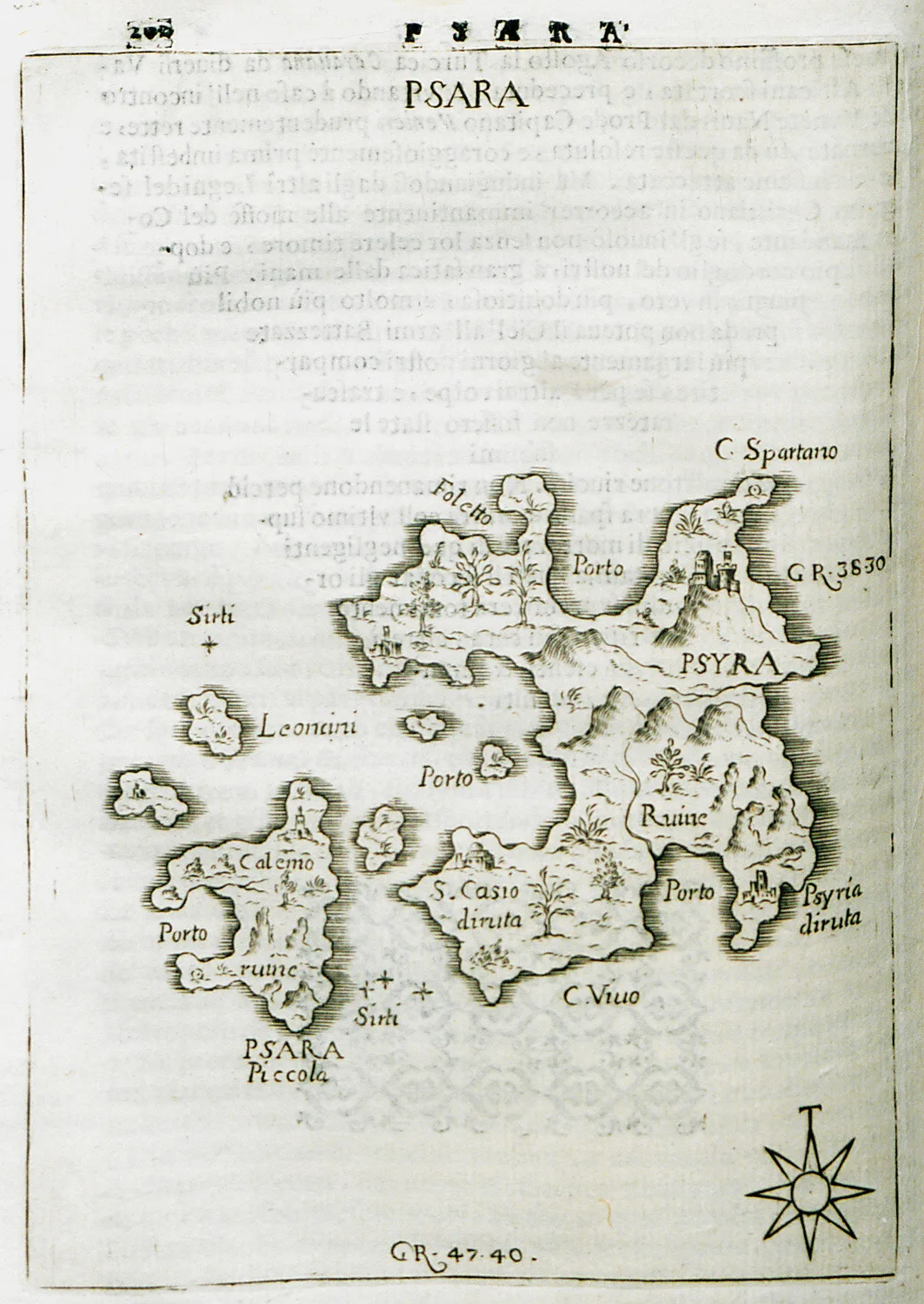
Map: Francesco Piacenza (Public domain) · Wikimedia Commons
⚖️ Is it worth it? The pros and cons
Psara is for anyone who wants to get away and stand in a place with a heavy history. Here is an honest picture.
📊 At a glance, from 1 to 5
👍 The pros
- One of the most historic islands in Greece.
- The Black Ridge and the view down over the village and the harbour.
- Quiet beaches with clear water, close to the village.
- An archaeological site with a Mycenaean settlement.
- Peace and quiet, welcoming locals and fresh fish.
👎 The cons
- Hard to reach, with few ferries and winds that cancel them.
- A bare landscape, almost without trees or shade.
- Few rooms and few shops.
- Very little going on outside summer.
🏘️ The village and the Black Ridge
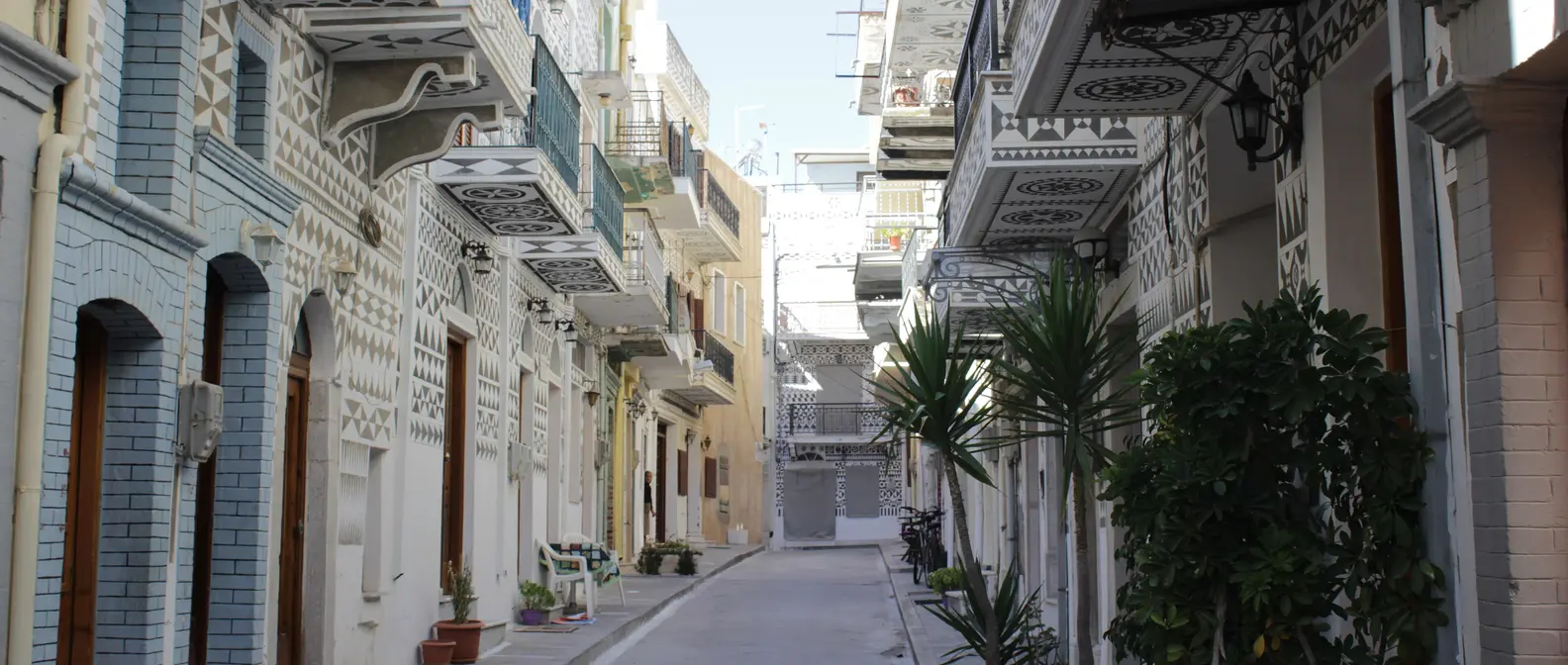
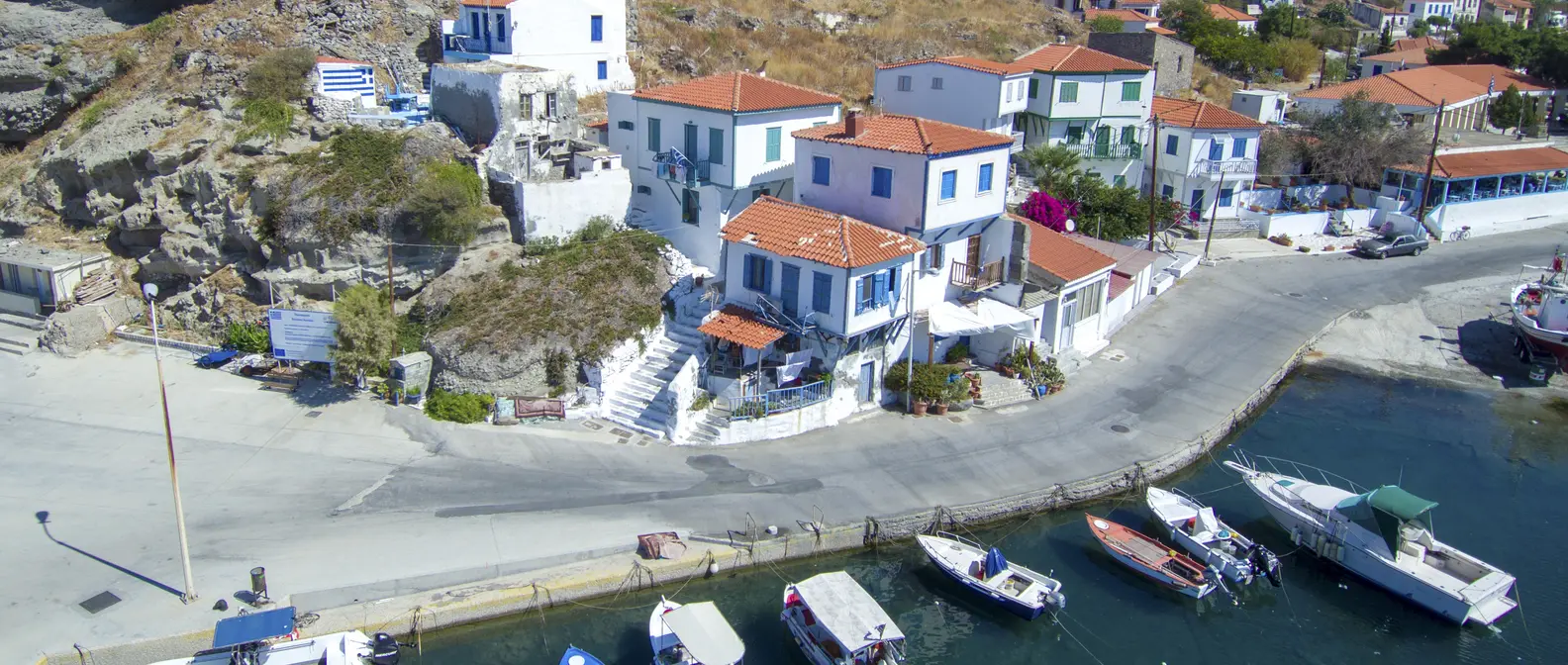
The village spreads around the harbour, with stone houses, churches, tavernas and cafés on the waterfront. In its alleys you will see the bust of Konstantinos Kanaris, on the spot where his house stood, and busts of other captains of the War of Independence. Above the harbour, the church of Agios Nikolaos stands on a rock over the sea.
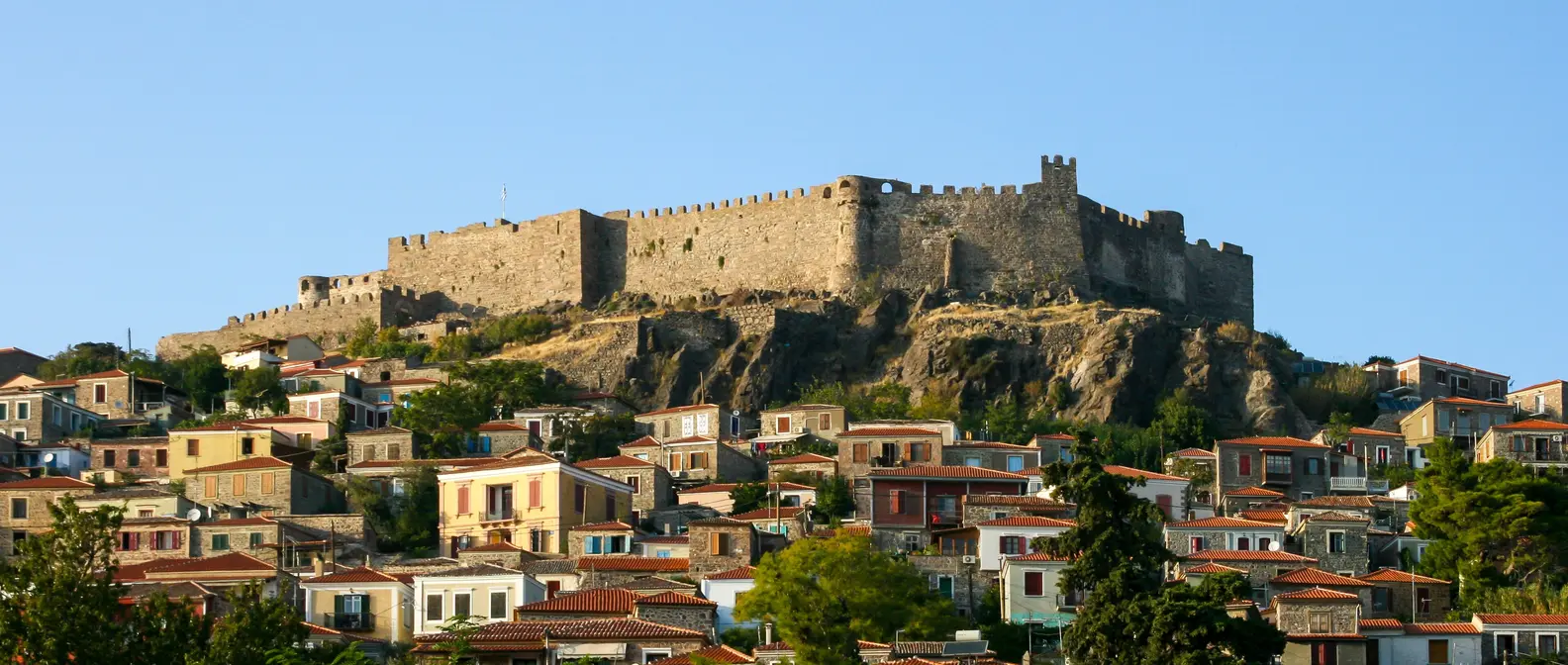
South of the village rises the Black Ridge, Mavri Rachi or Palaiokastro, with the monument to the destruction of 1824. Go up in the afternoon: the view over the village, the harbour and the sea is the finest on the island.
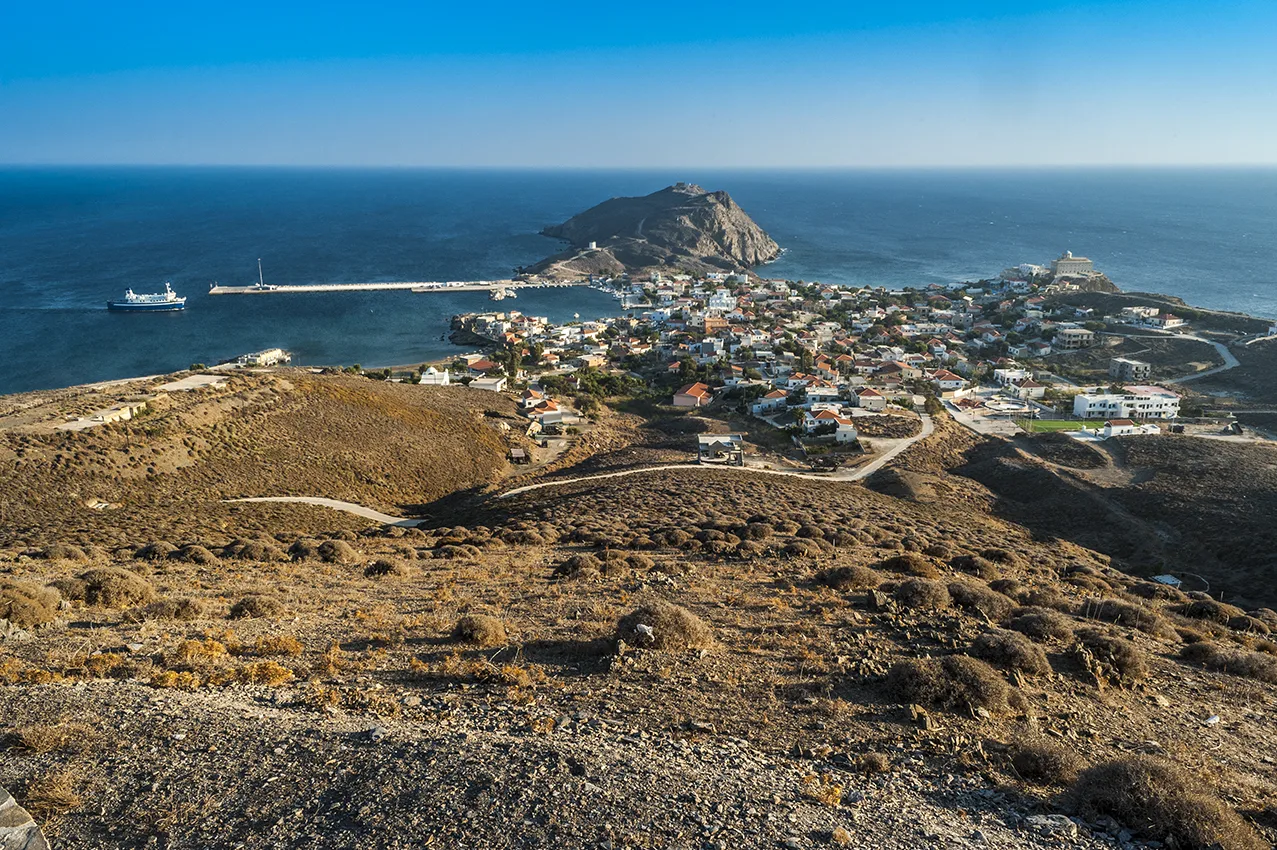
The hill of 1824.
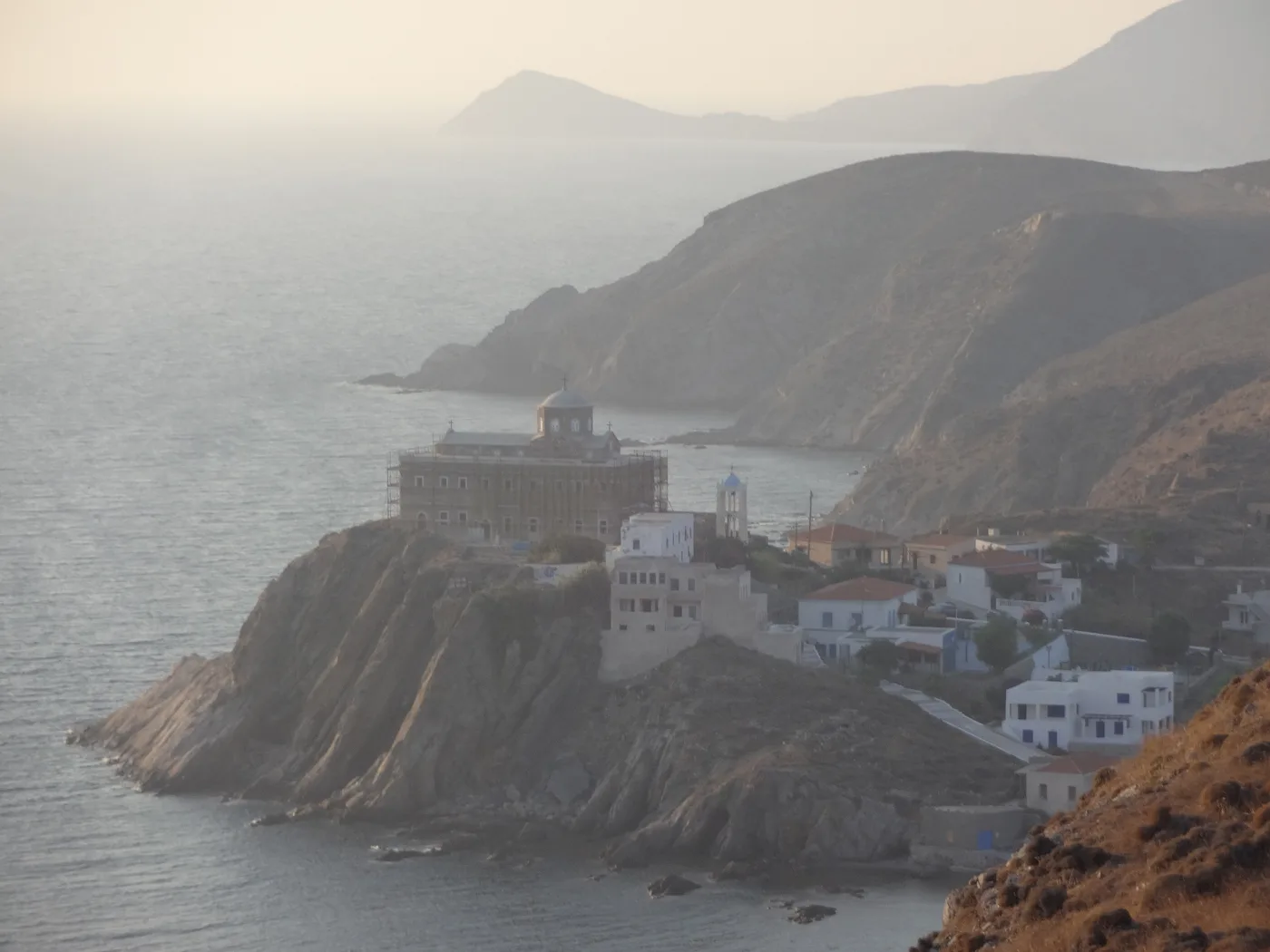
Above the village.
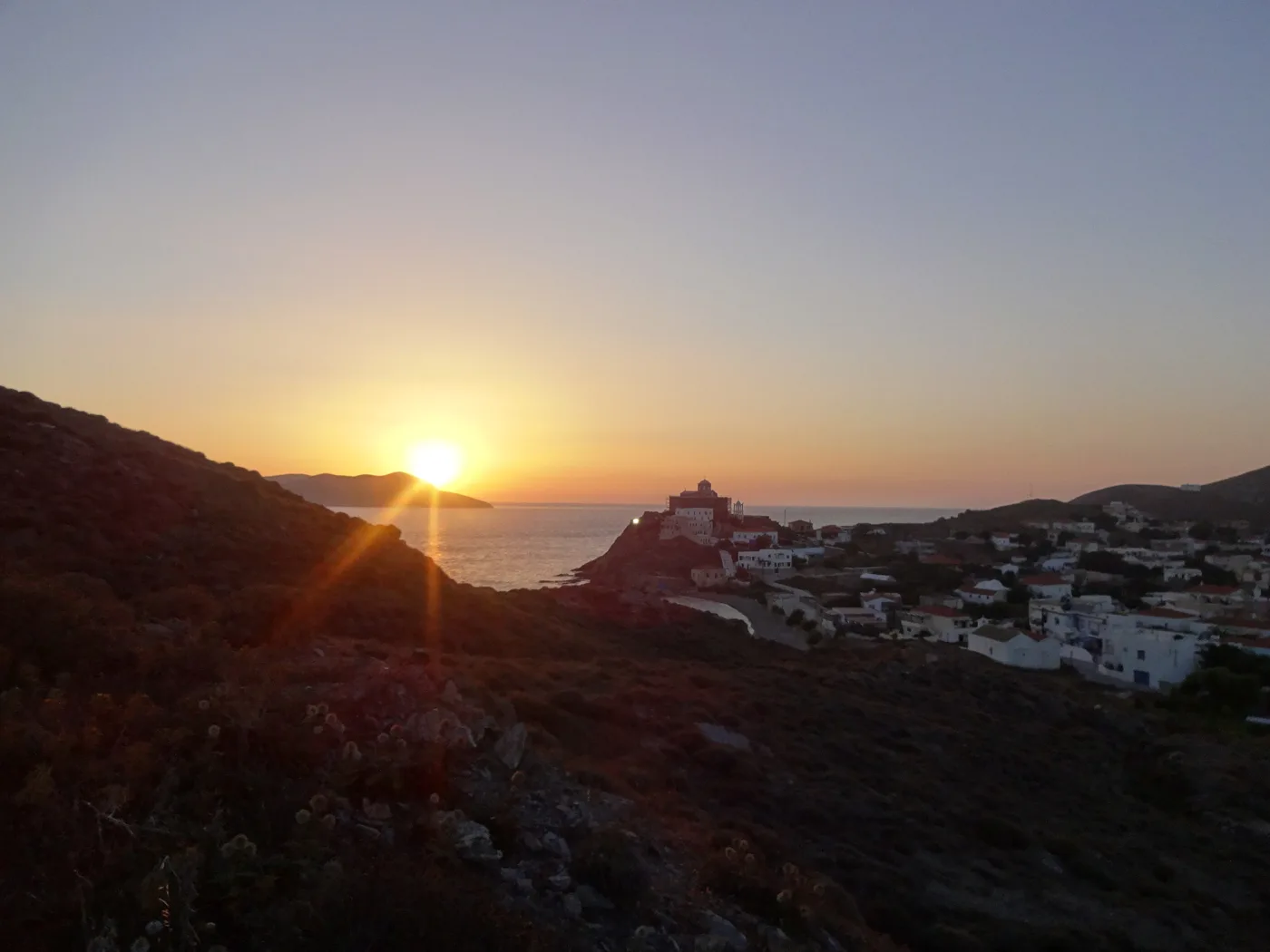
The sun over the village.
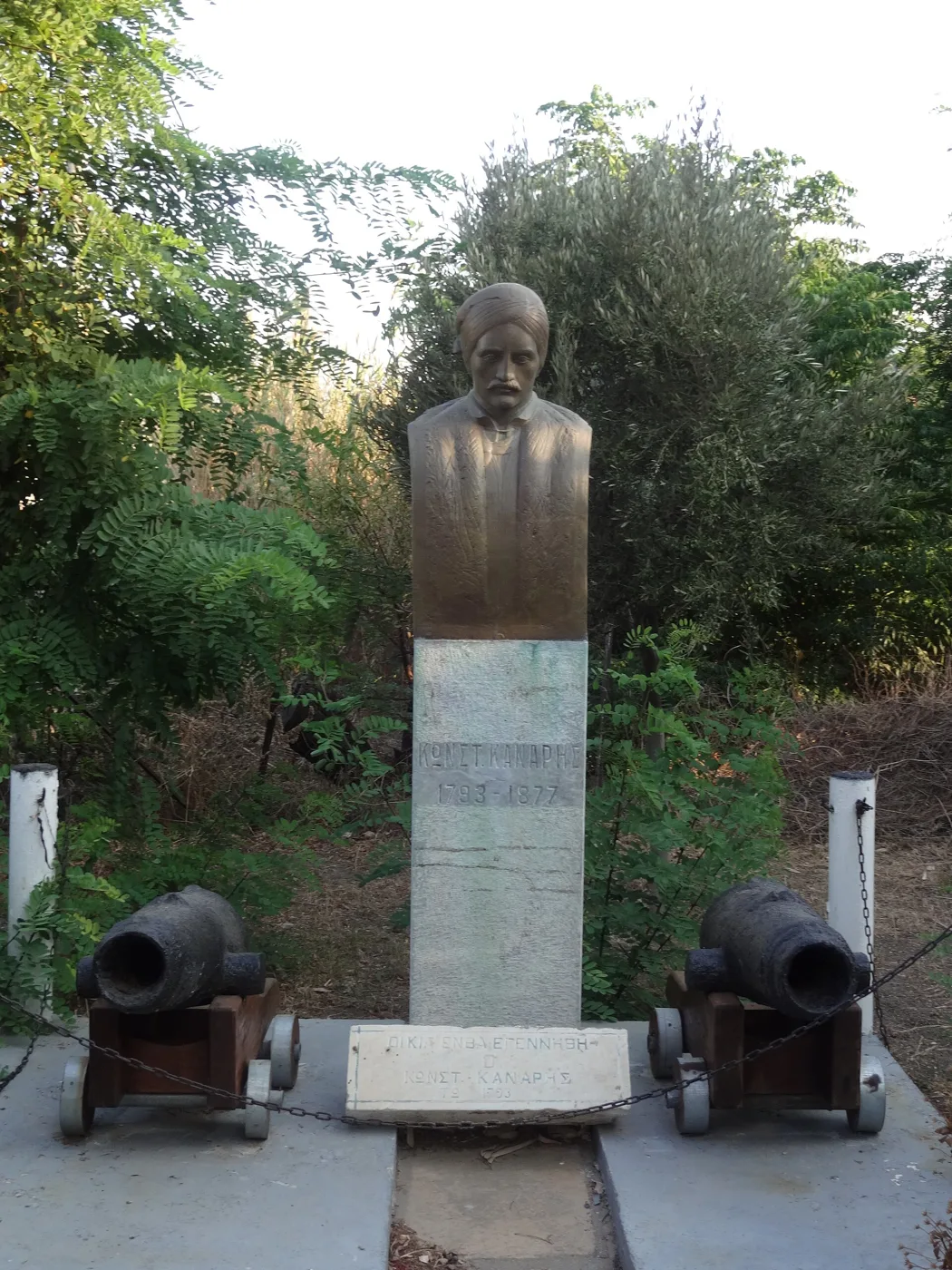
On the site of his house.
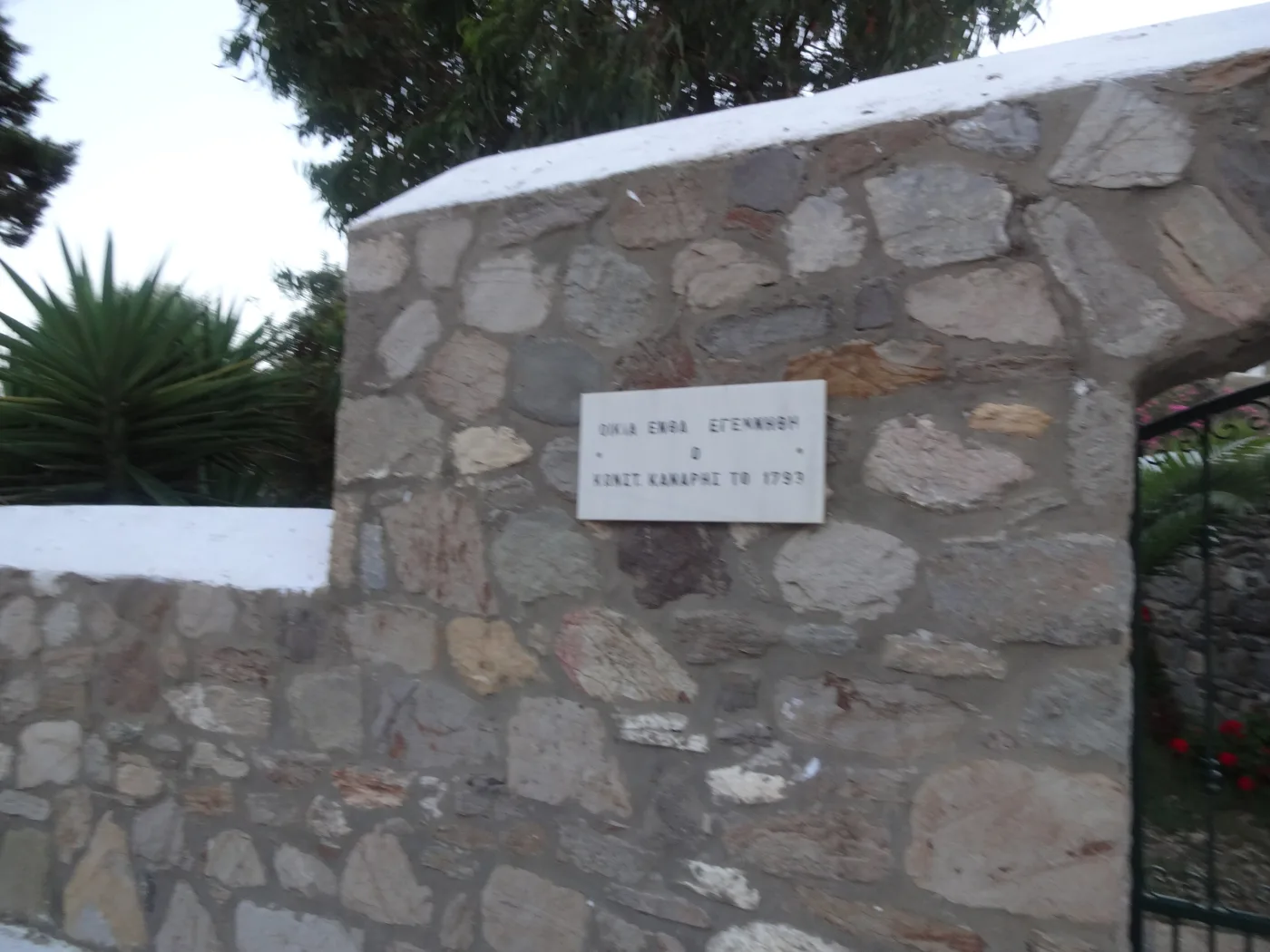
The plaque on the wall.
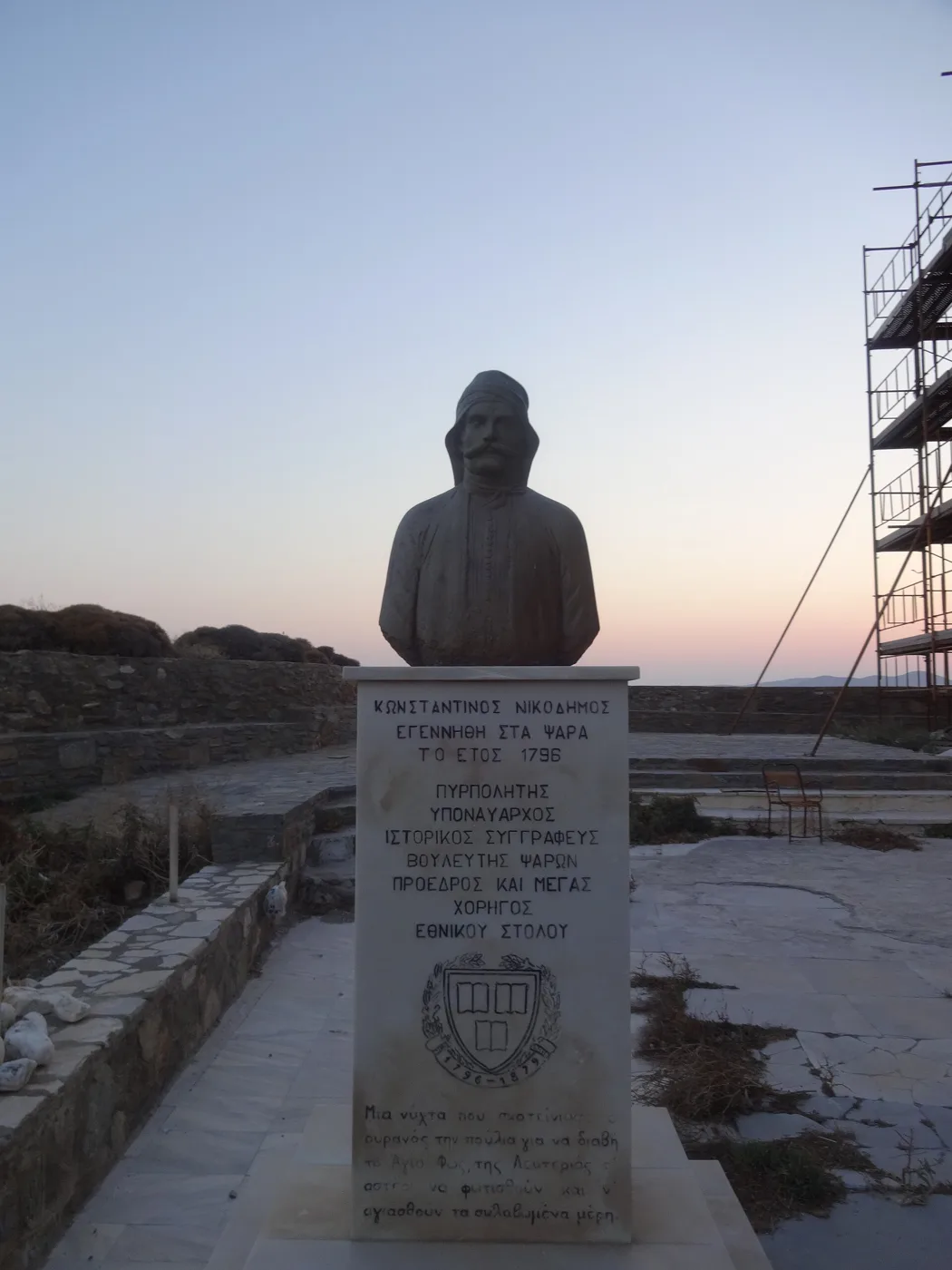
One of the captains.
Photos: Thanasis Christodoulou (Attribution), Macedon-40 (CC BY-SA 4.0) · Wikimedia Commons
📜 The history of Psara
In the 18th century the people of Psara became seafarers and merchants, and by the early 19th century they had the third largest fleet in Greece, after Hydra and Spetses. Psara rose up in April 1821, and its captains, such as Kanaris and Papanikolis, burned Ottoman ships with fire ships. In June 1824 the Ottoman fleet took the island. The last defenders shut themselves in on the Black Ridge and blew up the powder magazine rather than surrender. Thousands were killed or sold as slaves, and the island was left deserted.
The destruction shocked Europe and inspired the epigram by Dionysios Solomos “On the all-black ridge of Psara”, the ode by Andreas Kalvos and the paintings of Nikolaos Gyzis and Nikiforos Lytras. Psara became Greek again in 1912. Every year, at the end of June, the island commemorates the anniversary of the holocaust.
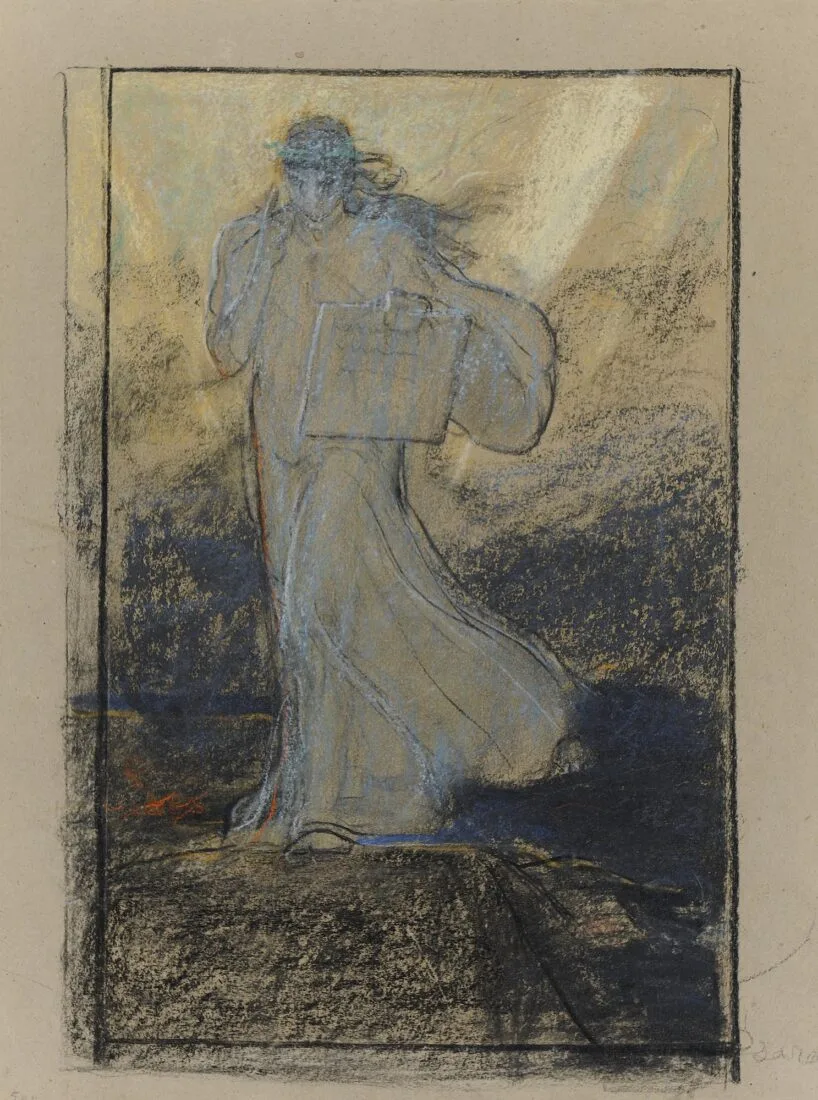
Nikolaos Gyzis, 1898.
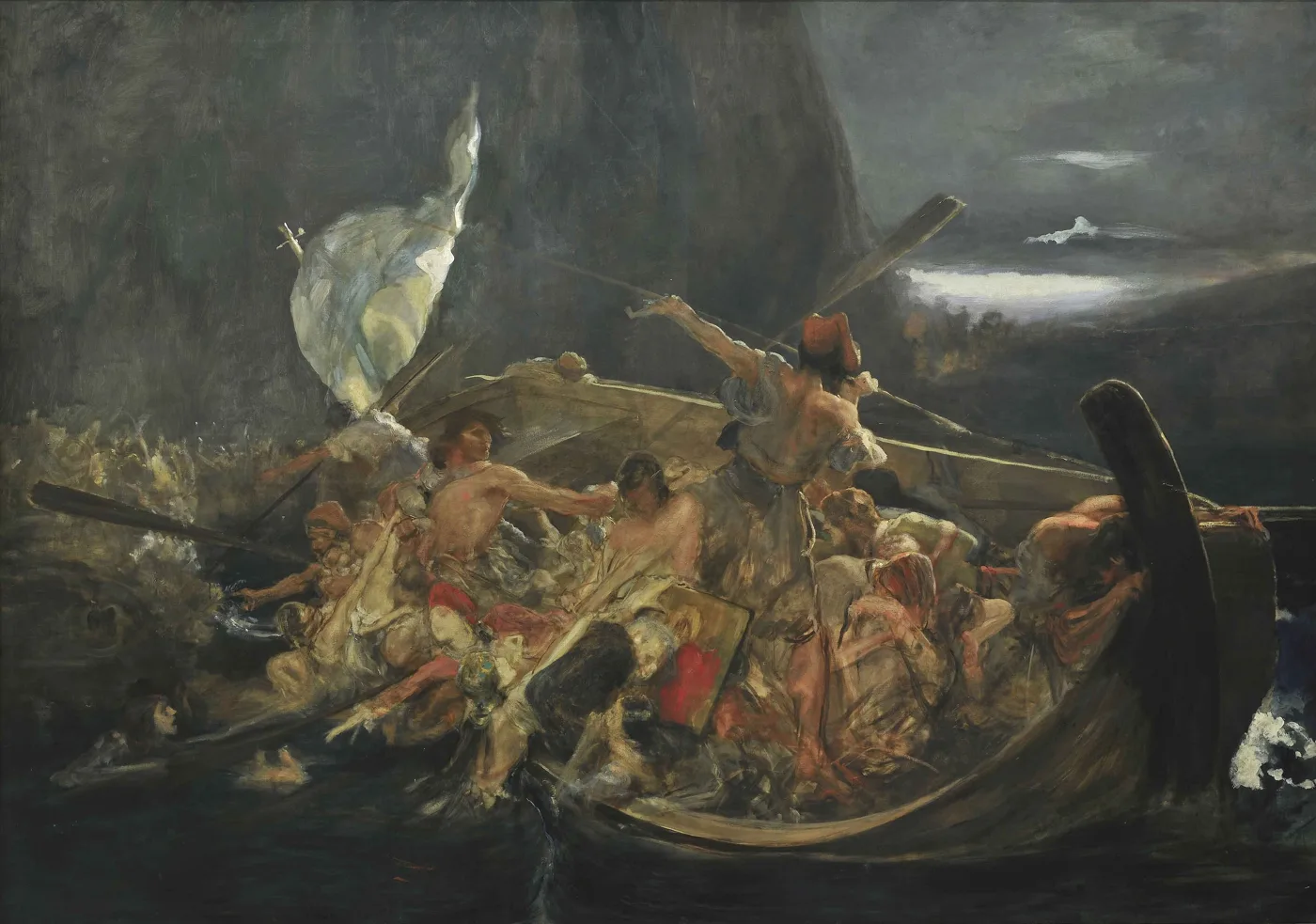
Nikolaos Gyzis.
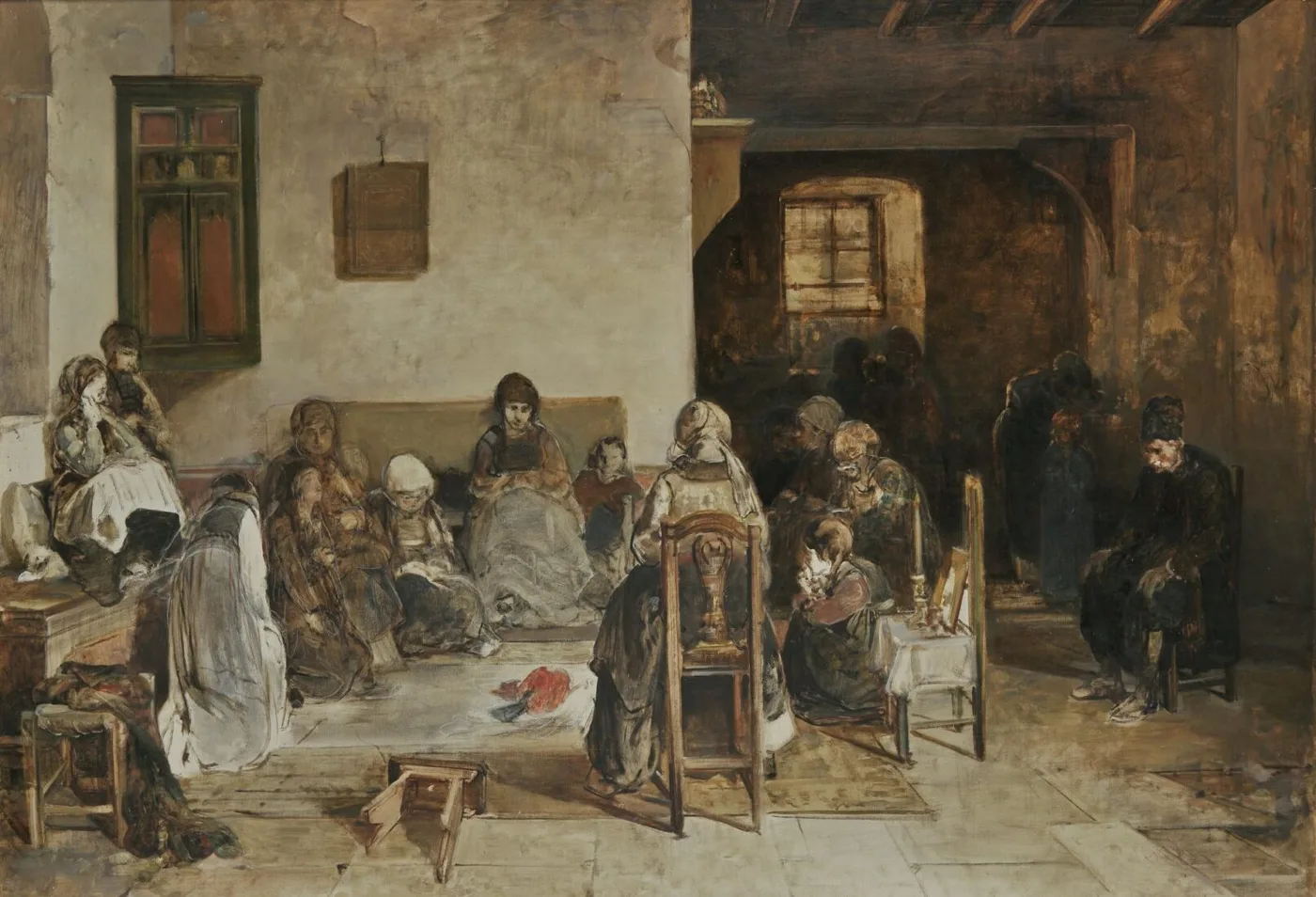
Nikiforos Lytras.
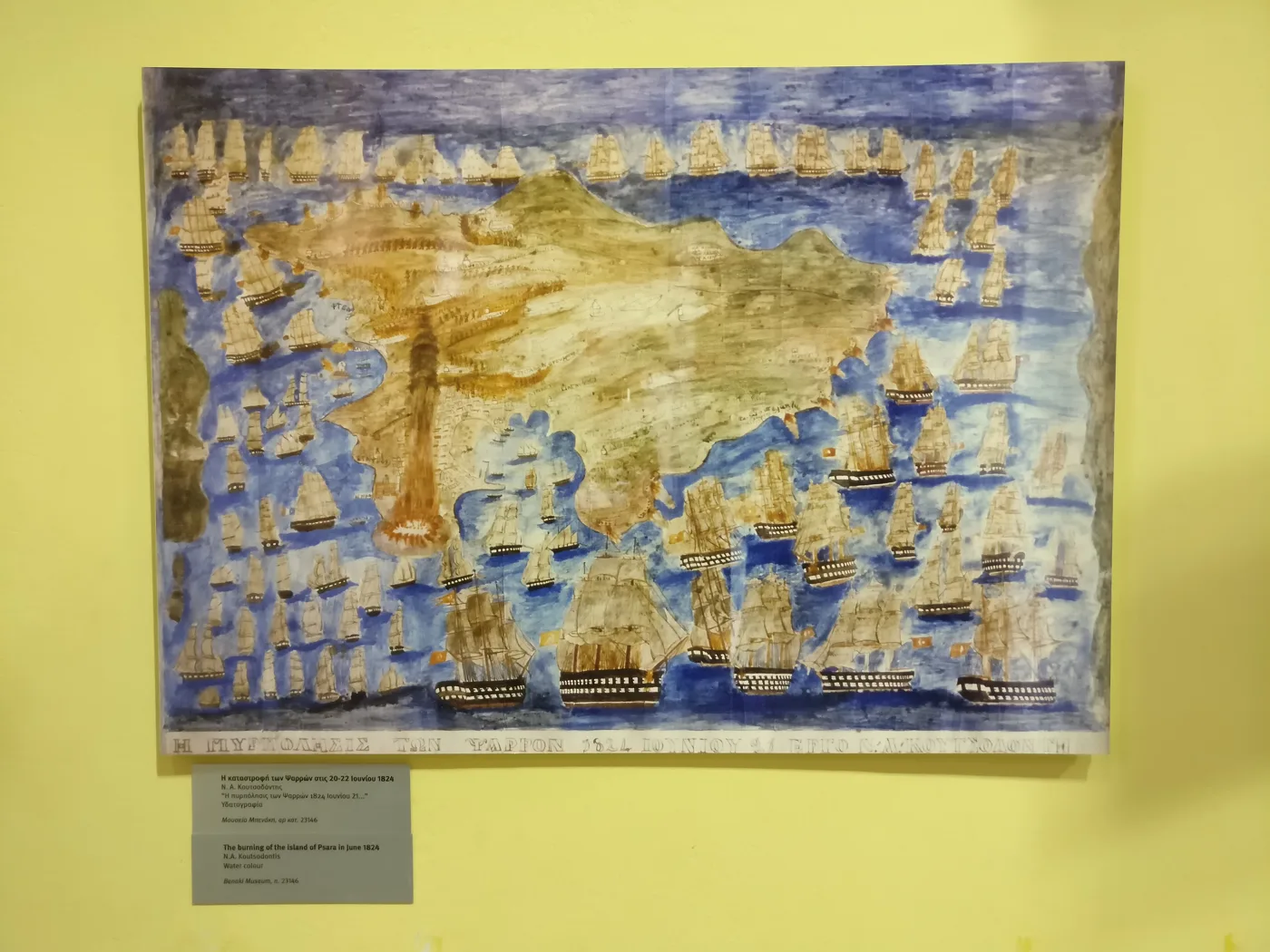
The fleet around the island.
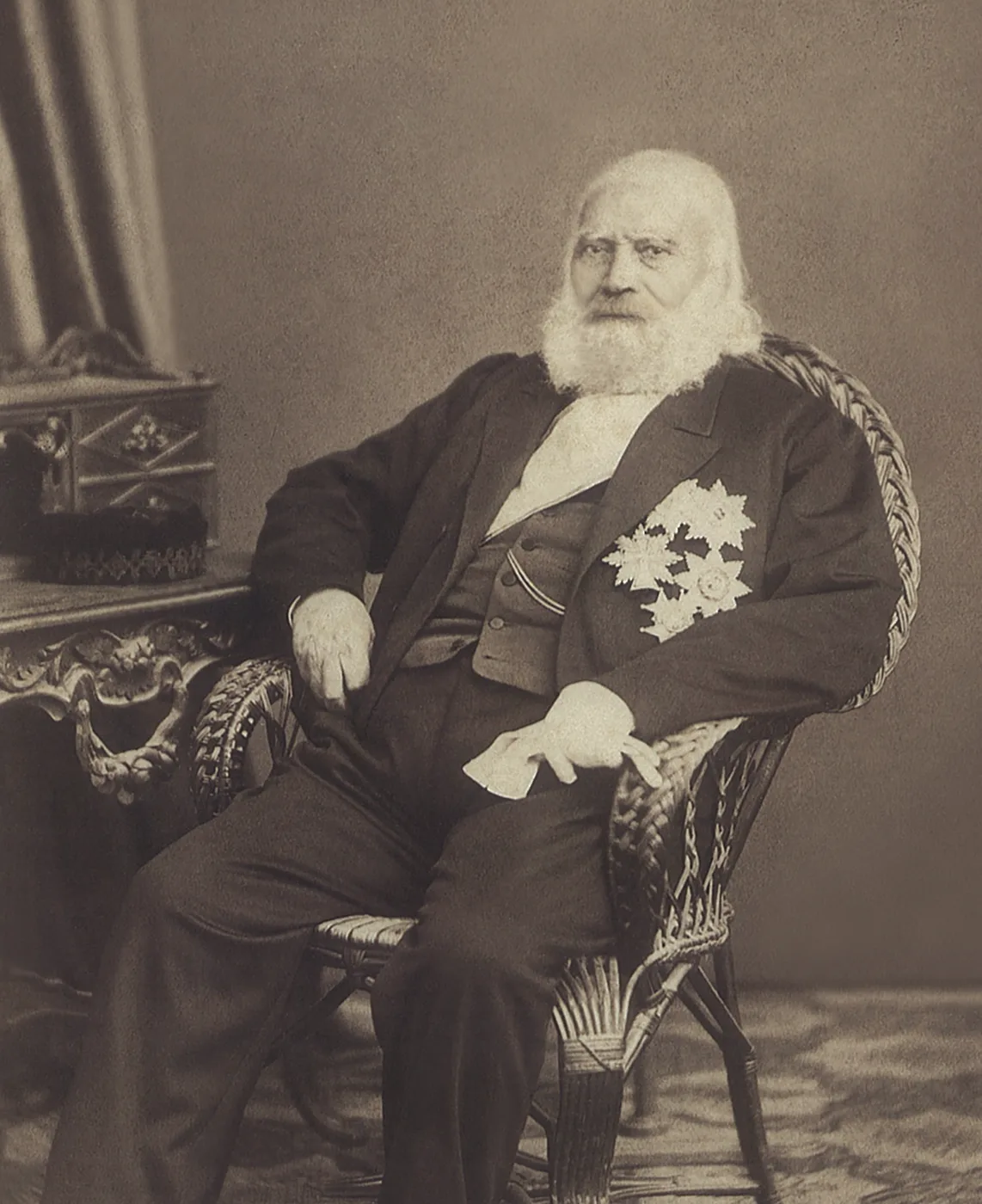
The admiral from Psara.
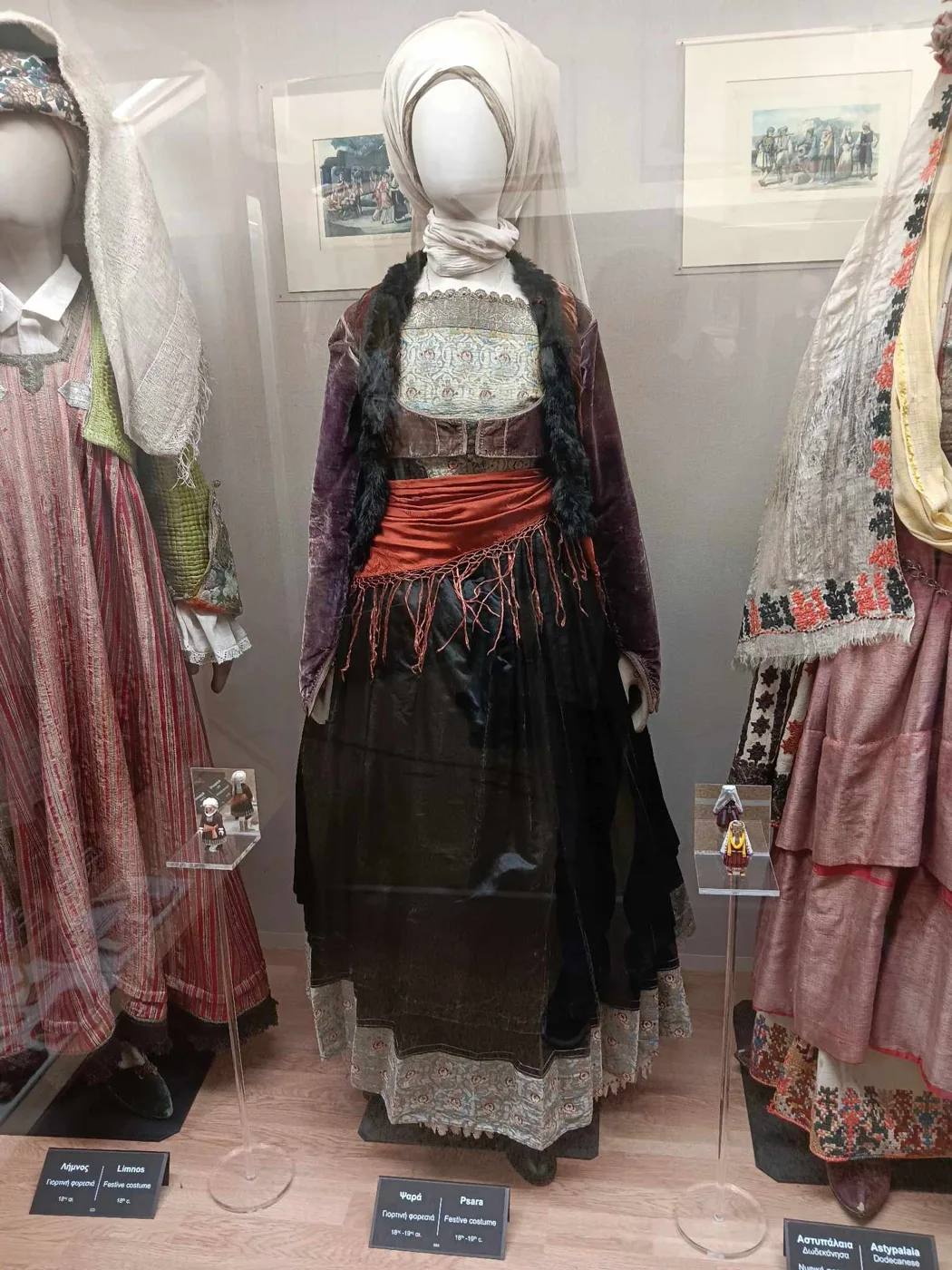
A costume of Psara.
Photos: Nikolaos Gyzis (Public domain), Nikiforos Lytras (Public domain), N.A. Koutsodontis (CC BY 3.0), Petros Moraites (Public domain), Catlemur (CC BY-SA 4.0) · Wikimedia Commons
🏺 Archontiki
On the west coast, at Archontiki, excavations uncovered a Mycenaean settlement, with houses and storerooms from 1400 to 1100 BC, and a cemetery with rich grave goods. The site has panels that explain what you are seeing, and opposite lies the islet of Daskalio. The finds are on display in the Archaeological Museum of Chios. Next to the site there is a beach for a swim.
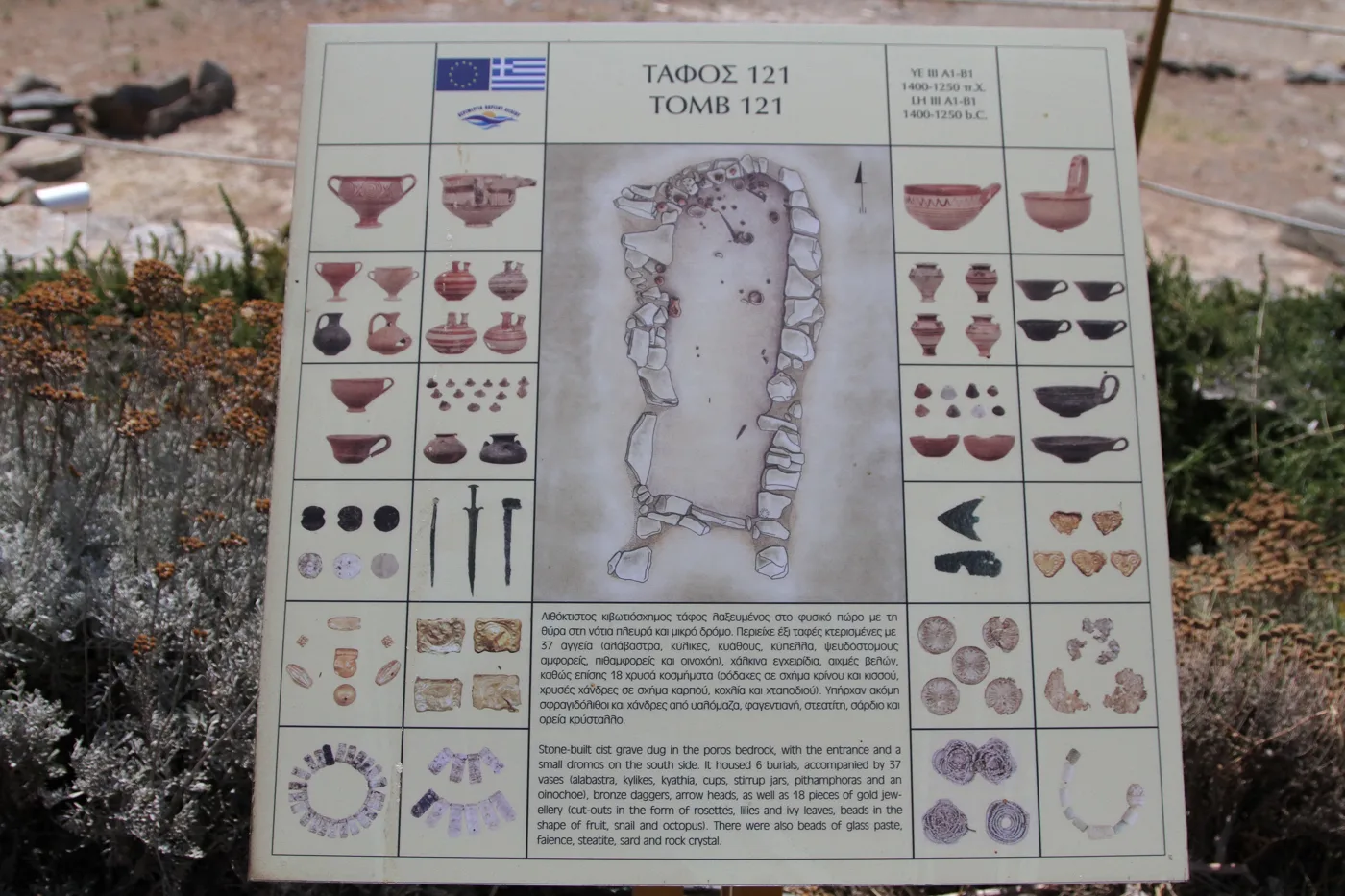
The Mycenaean settlement.
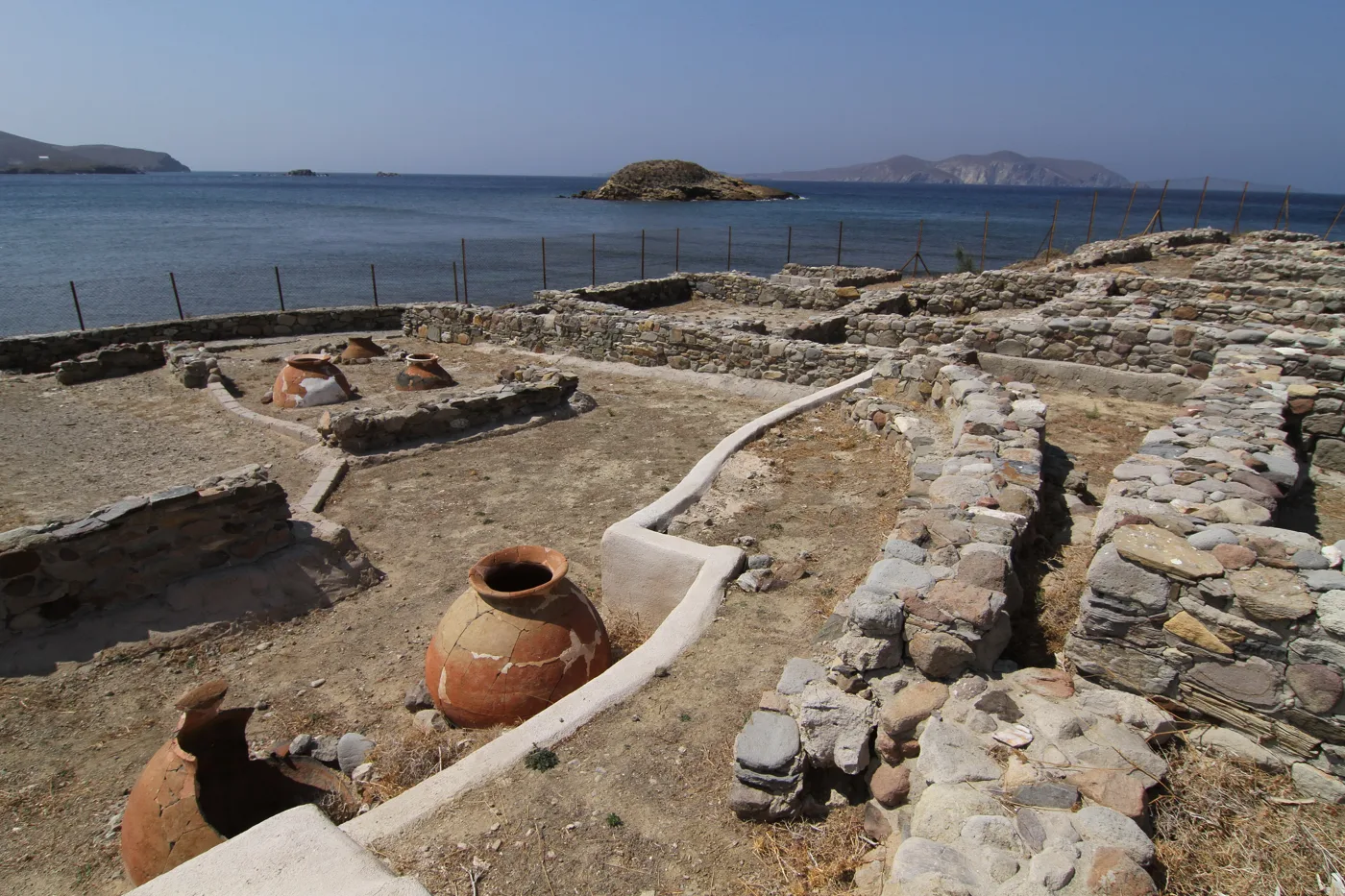
The islet of Daskalio opposite.
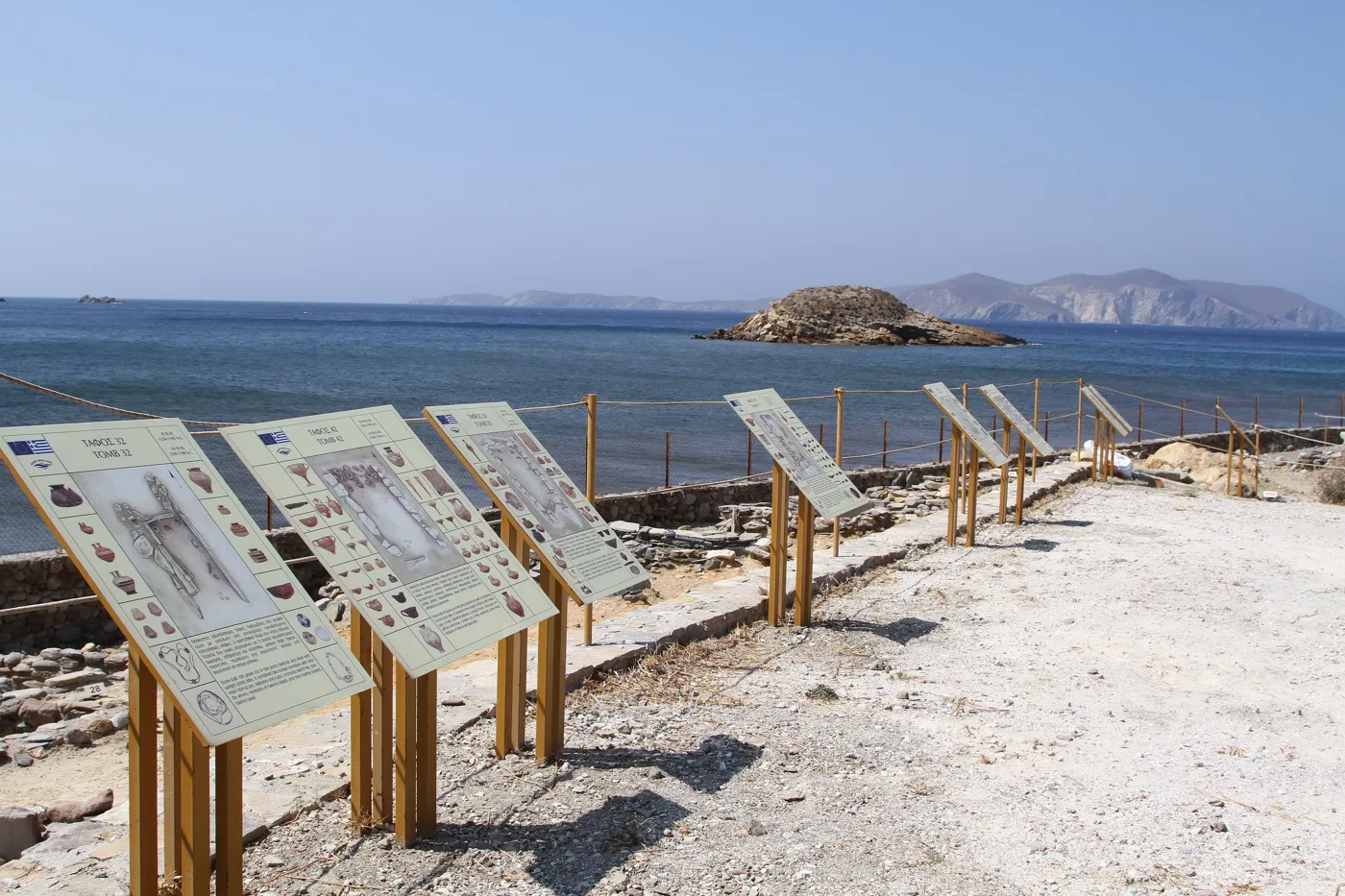
Walls and storage jars.
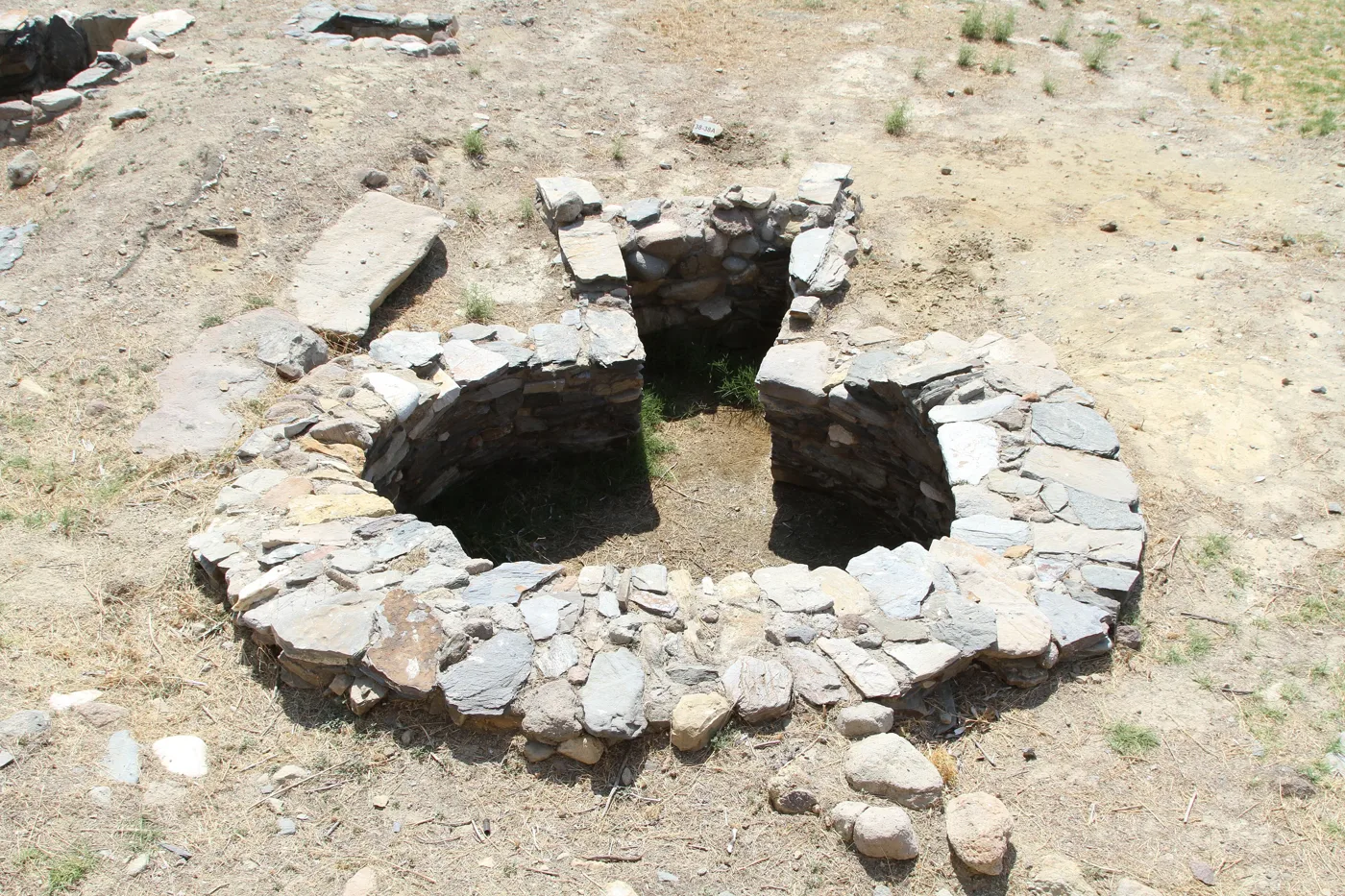
Burials from antiquity.
Photos: FLIOUKAS (CC BY-SA 4.0) · Wikimedia Commons
🏖️ The beaches and Antipsara
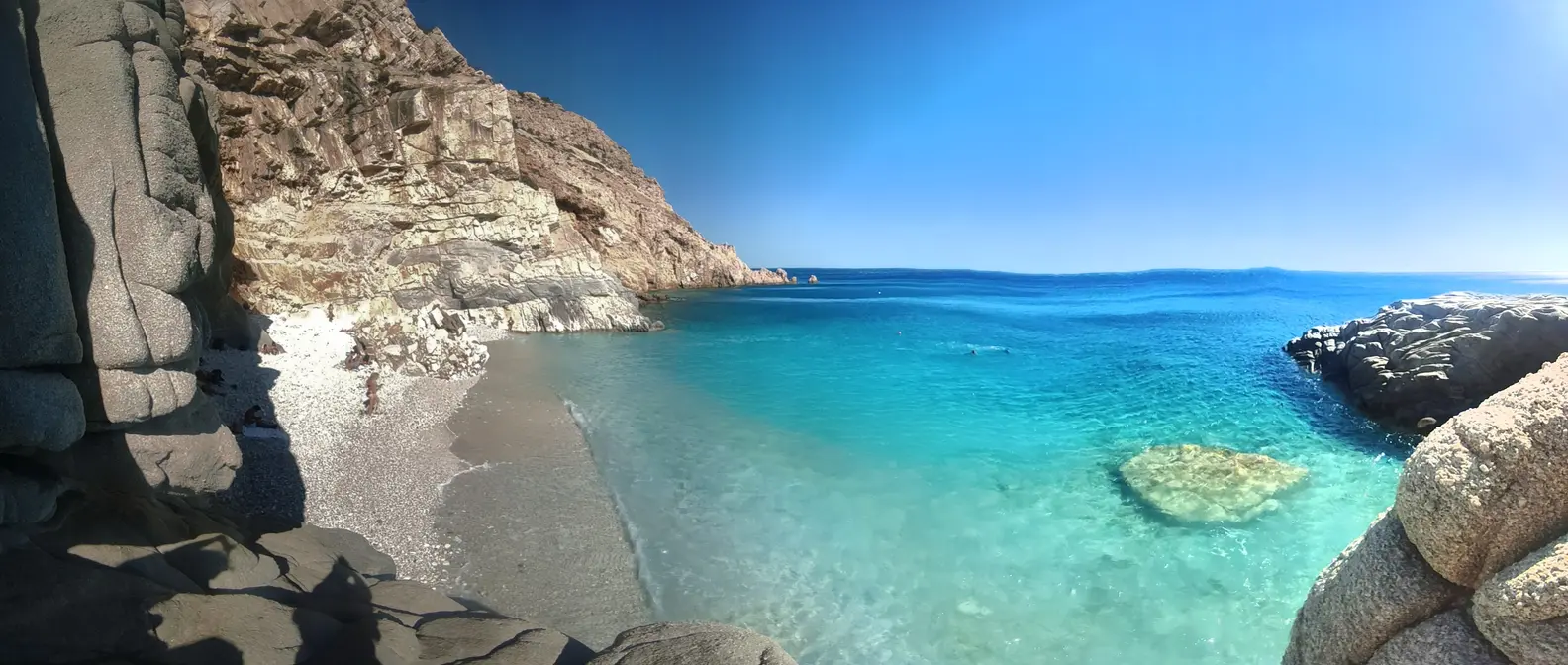
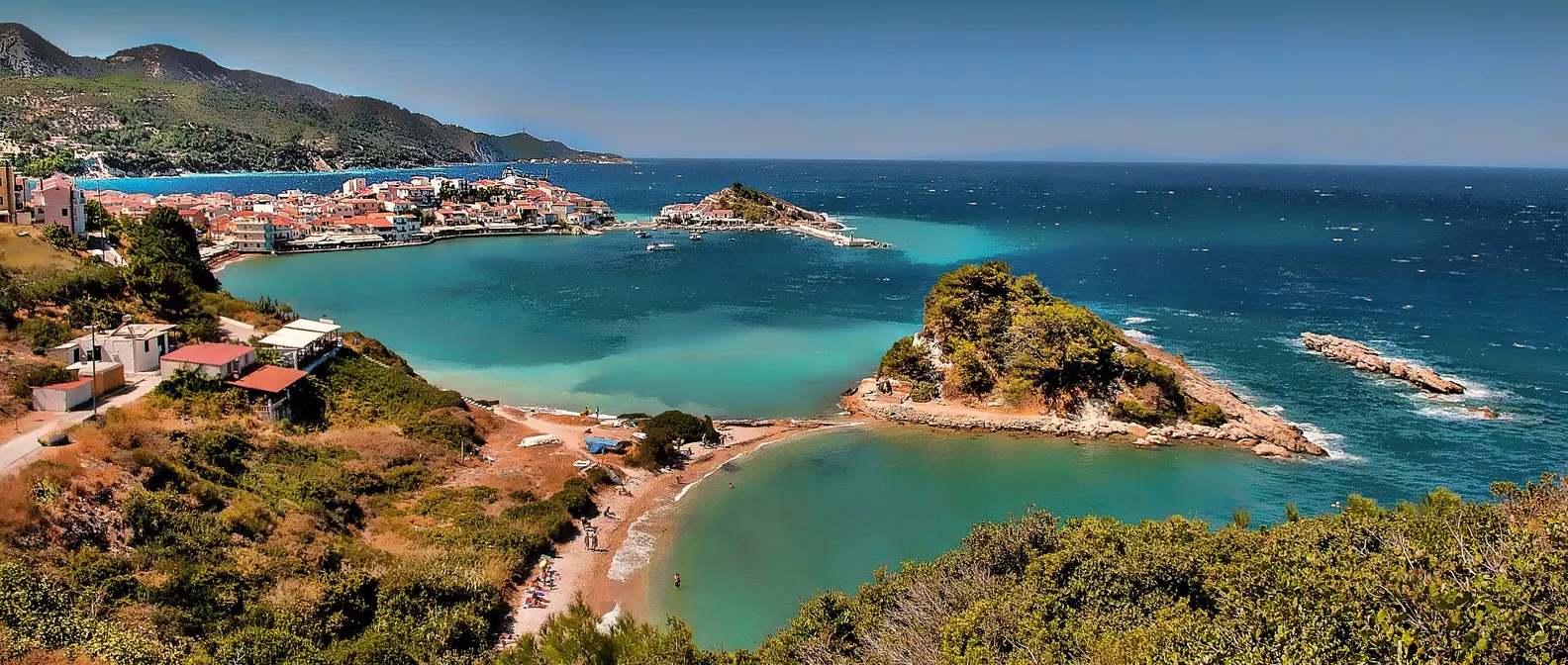
Psara has many small beaches with clear water, and most are close to the village. Sandy Katsouni is a few minutes’ walk away, and a little further on is Lazareta. East of the village is the beach of Limnos, and to the north Lakka. To the west lies Antipsara, an almost uninhabited islet that you can only reach by boat.
- Katsouni: sand, next to the village.
- Kato Gialos: the village beach.
- Lazareta: a little beyond Katsouni.
- Lakka: quiet, on the road to Archontiki.
- Archontiki: next to the archaeological site.
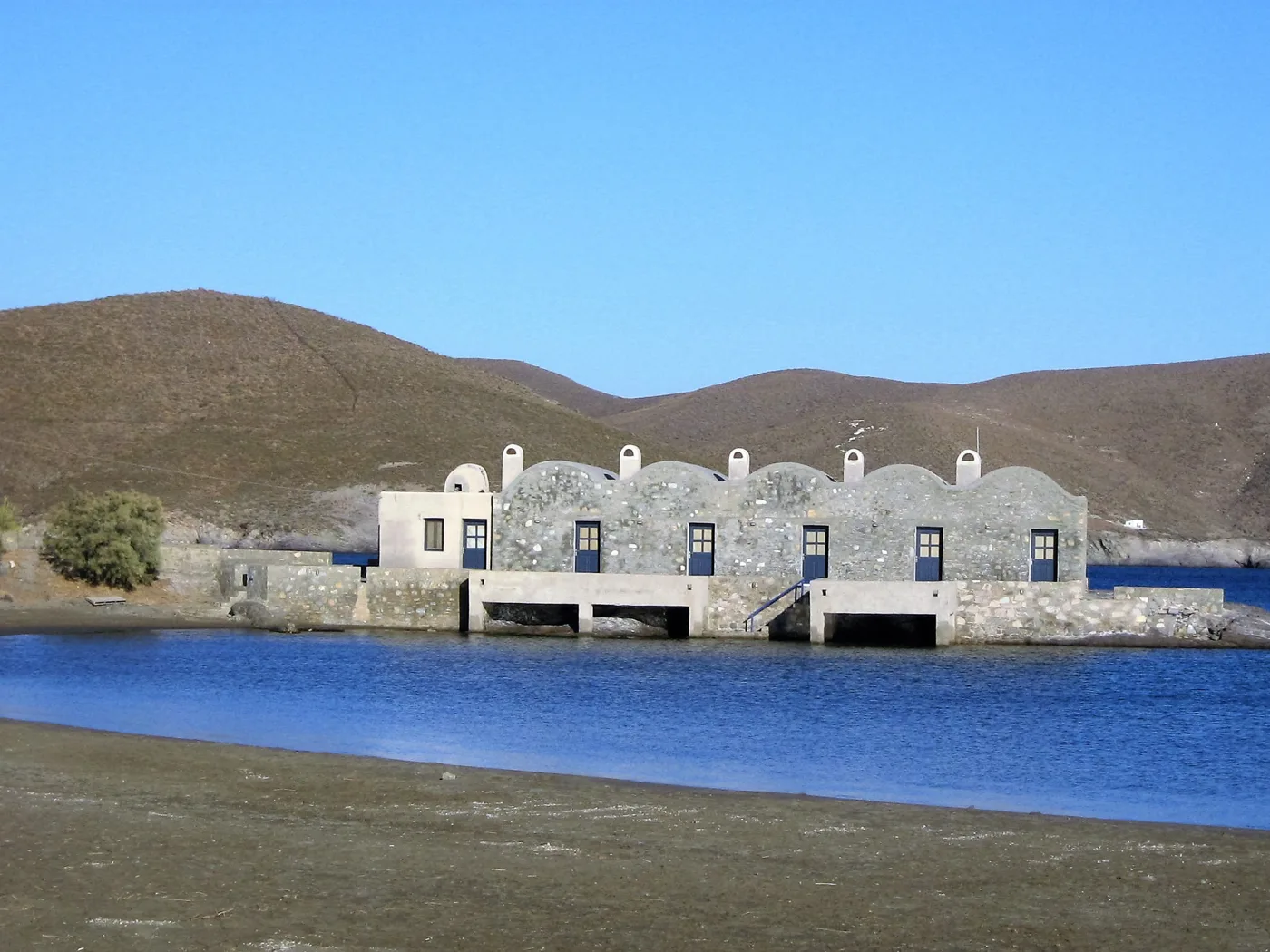
Blue water below the hills.
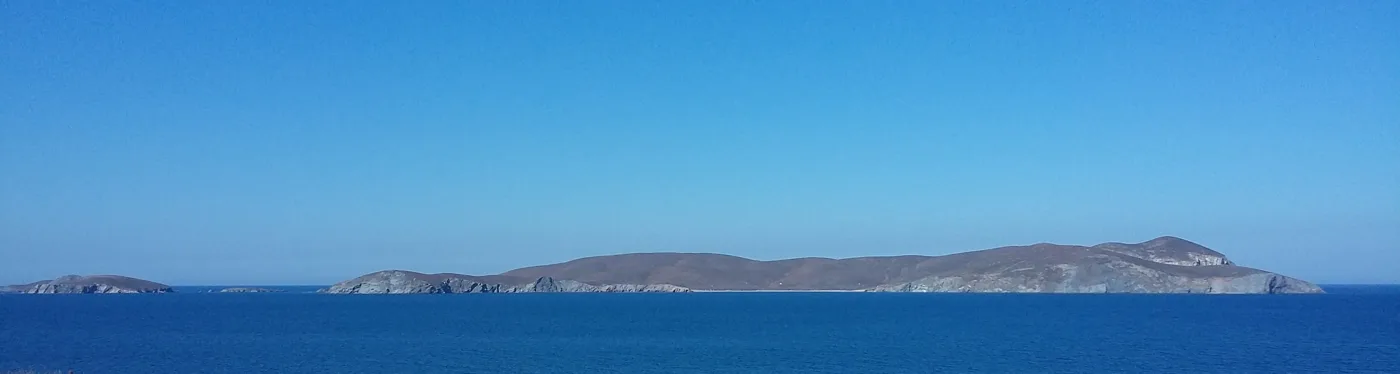
The islet to the west.
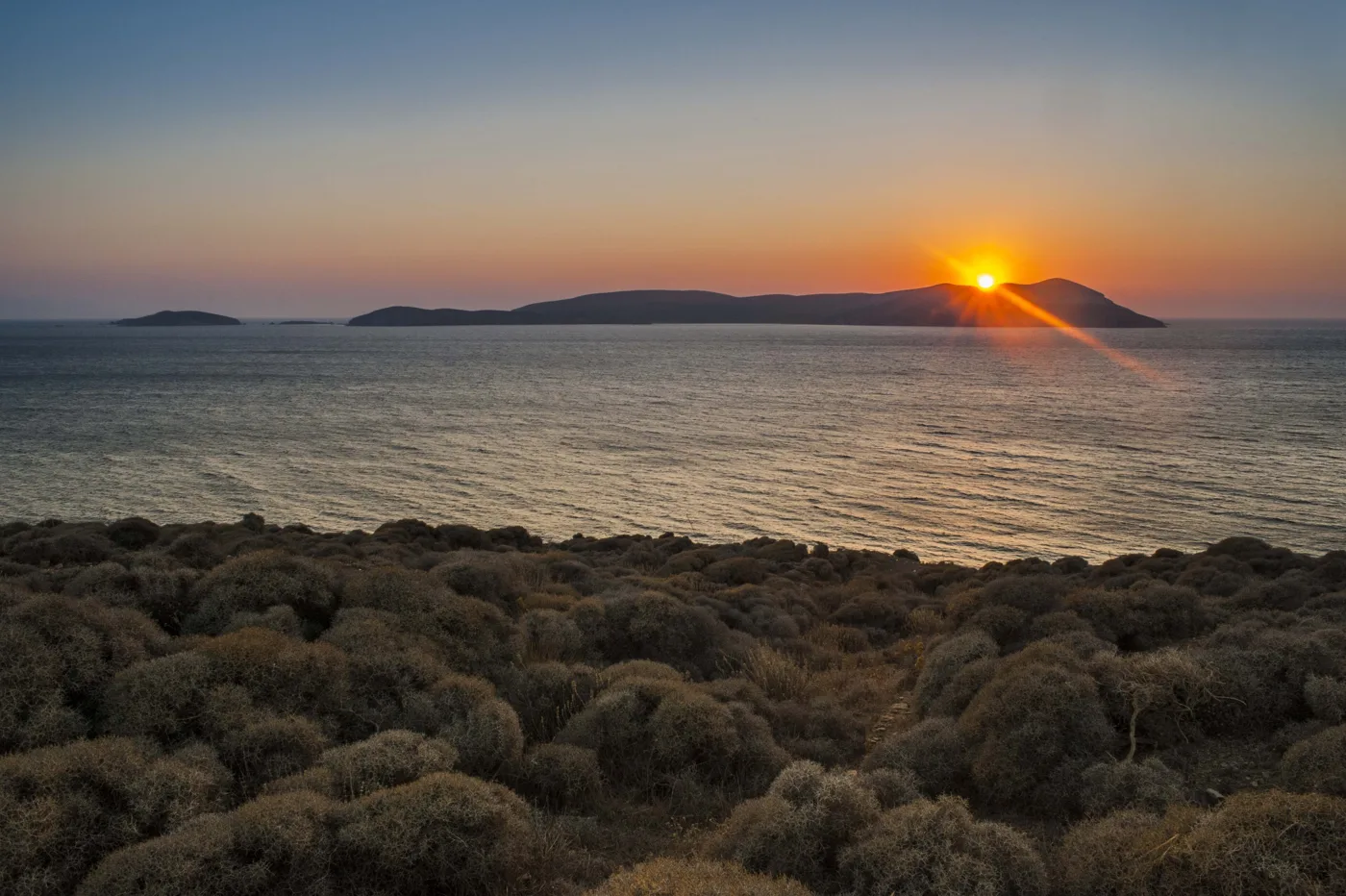
The sun behind Antipsara.
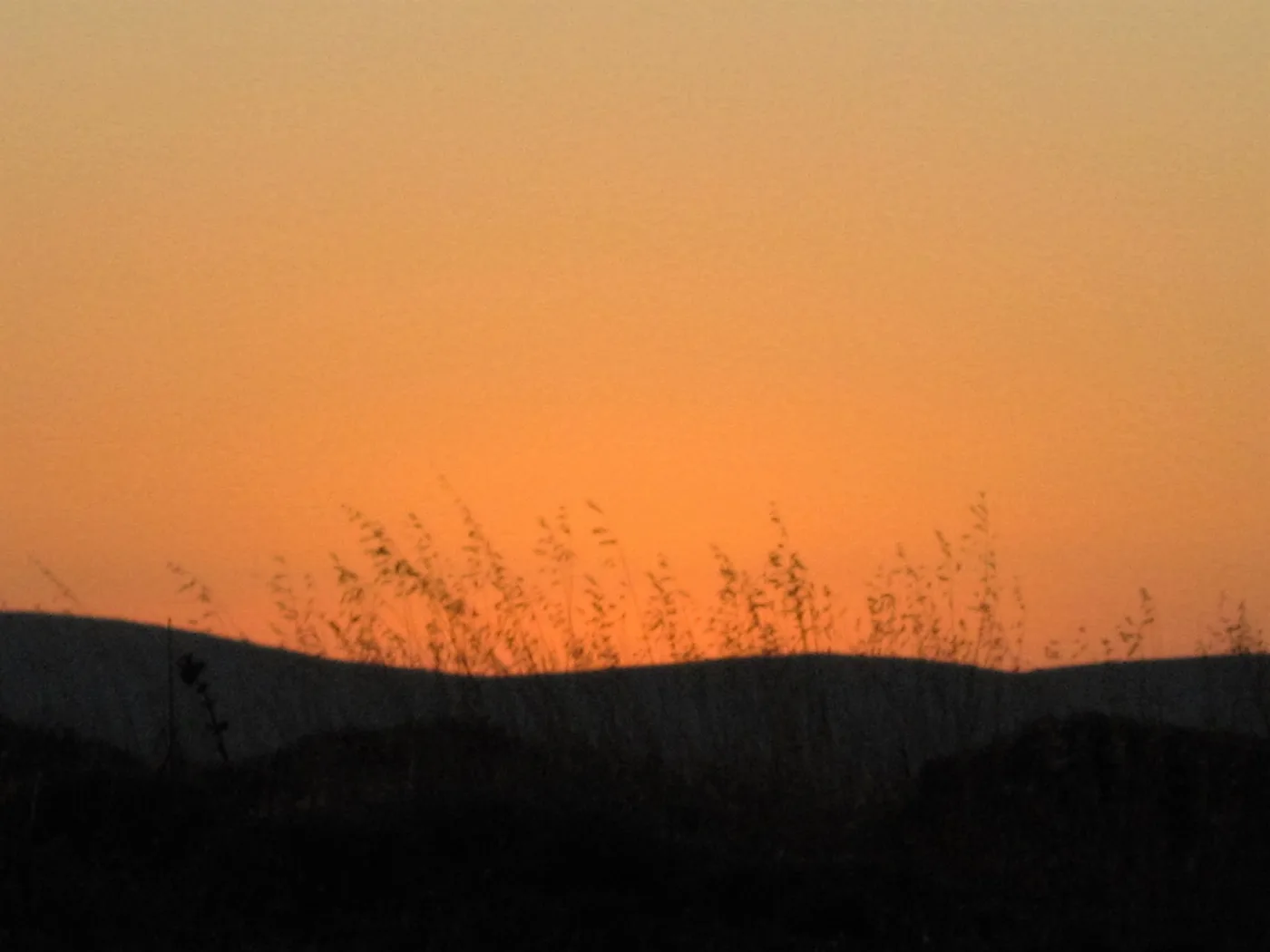
The sky over the island.
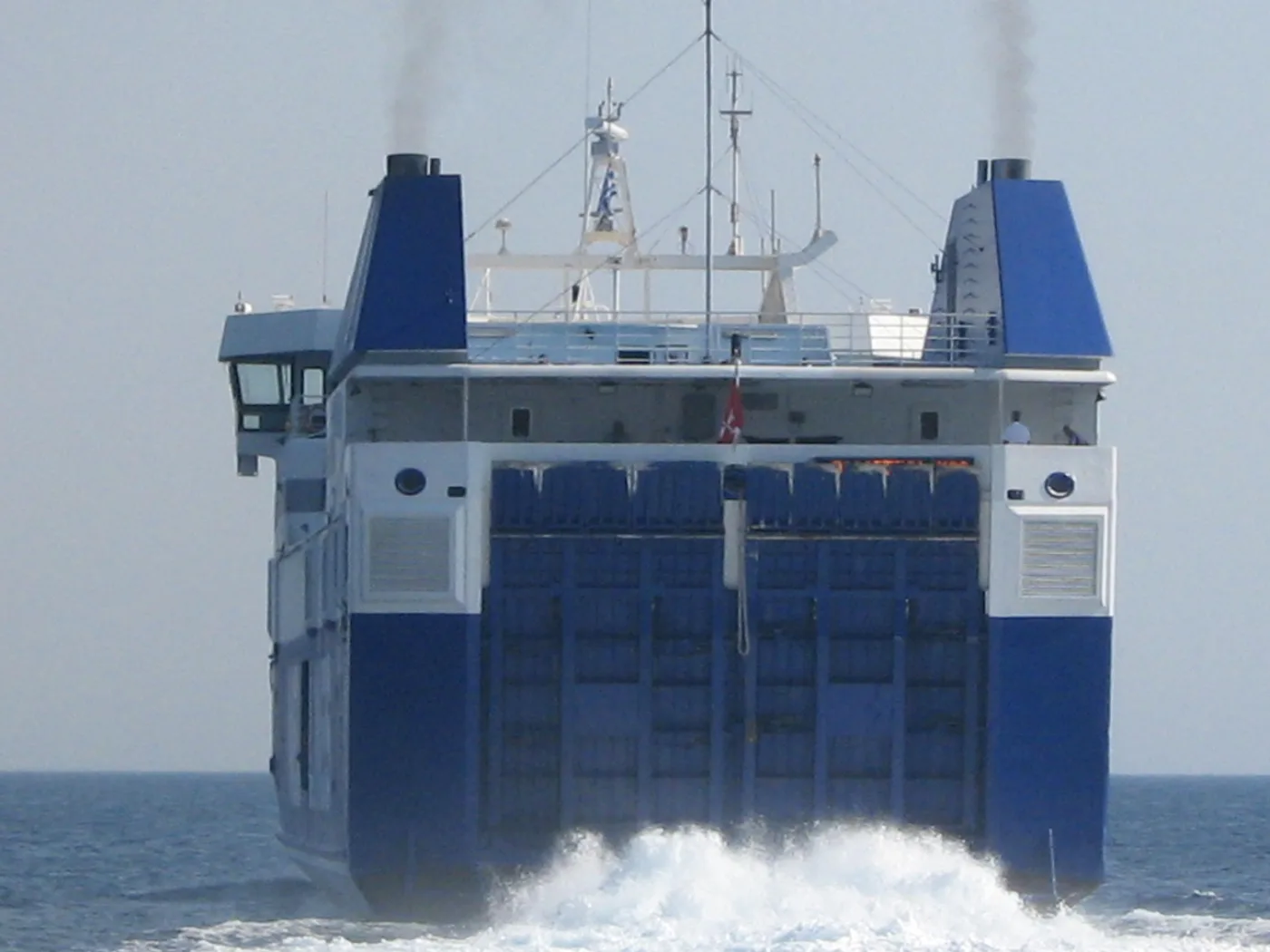
From Chios.
Photos: Afbeelding4 (CC BY-SA 4.0), Anaziton (CC0), Thanasis Christodoulou (CC BY-SA 4.0) · Wikimedia Commons
Psara has almost no trees, and most beaches have no umbrellas. Bring a hat, water and a beach umbrella, especially for the more distant ones.
🍽️ What to eat
The tavernas at the harbour serve fresh fish, lobster and slipper lobster, the shellfish the people of Psara have been catching for centuries. Try kid goat, local cheese and honey from the island’s thyme. Ask for whatever the boats brought in that day.
📅 When to go
June and September are the best months, with a warm sea and few people. At the end of June the events marking the anniversary of 1824 take place. In August most visitors arrive, mainly people from Psara who live elsewhere, and rooms fill up. In winter ferries are few and the wind often cancels them.
✈️ How to get there from Athens
| How | Duration | From | Notes |
|---|---|---|---|
| Plane and ferry | About 50 minutes to Chios | Athens airport | From Chios or Limnia you continue by ferry to Psara. |
| Ferry to Chios | About 7 to 9 hours | Piraeus | Daily departures, often overnight. |
From Ioulianou 50, Piraeus is about 40 minutes by metro and the airport one hour on Line 3. From Chios, the ferry to Psara leaves from the town port or from Limnia, which is closer. Check the schedules in advance, as they are few and change with the season. Psara is easy to combine with Chios: see also our guide to Chios.
🗓️ Three days on Psara
The village and the Black Ridge
Walk around the harbour and the alleys of the village, see the bust of Kanaris and climb the Black Ridge for the view. Swim at Katsouni and, in the evening, eat fish at the harbour.
Archontiki and Lakka
Head to Archontiki, on the west coast, for the Mycenaean settlement and the sandy beach beside it. On the way back, stop for a swim at Lakka.
The monastery and Antipsara
Go up north to the monastery of the Dormition of the Virgin. In the afternoon watch the sun set behind Antipsara and, if there is a boat, go over for a swim.
Frequently asked questions
Do I need a car on Psara?
Not necessarily. The village and the nearby beaches are within walking distance. For Archontiki and the monastery, a scooter, a car or the island’s taxi helps.
Where should I stay on Psara?
In the village, which is also the only place with rooms. Book early, as rooms are few, especially in August and at the end of June.
When is the anniversary of the holocaust?
At the end of June, with a service, events and visits to the Black Ridge. It is the most moving time of year on the island, but book a room very early.
How many days do I need?
Three to four days are enough for the village, the Black Ridge, Archontiki and the beaches. Because ferries are few, a stay often lasts from one sailing to the next.
— Kathy